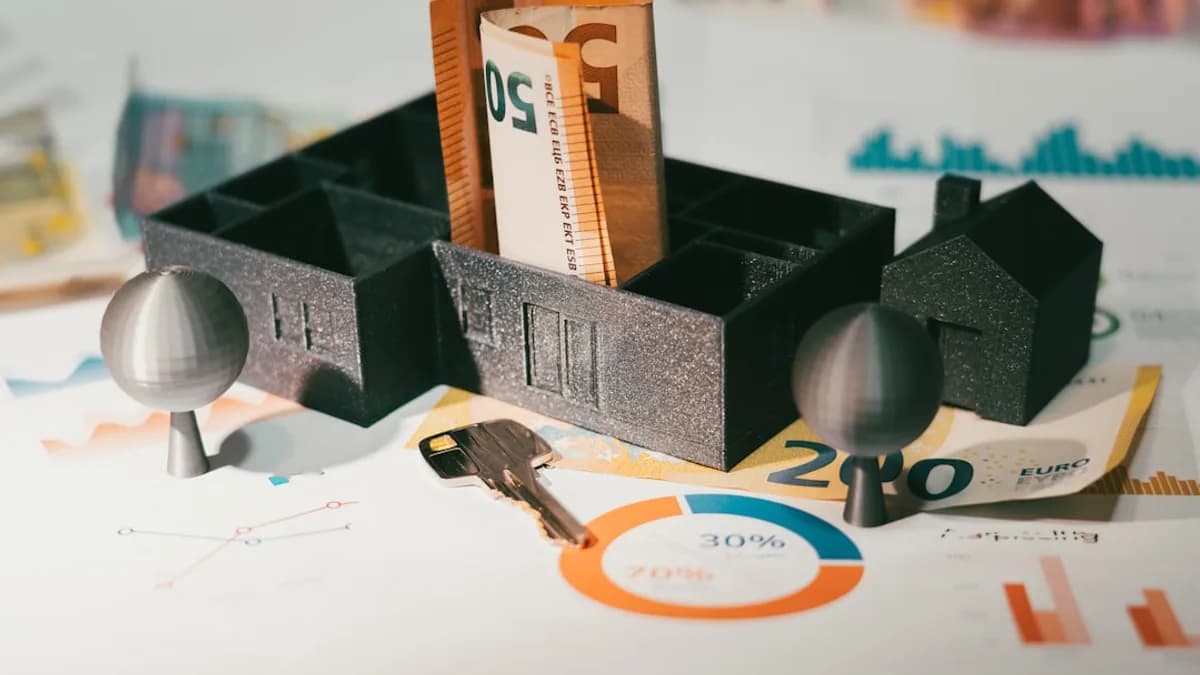
Why Using Home Equity Loans and HELOCs Can Boost Your Financial Growth
Homeowners sitting on built-up equity are now tapping it at rates not seen since 2021. With average HELOC rates hovering near 7.5% and home equity loan rates averaging 7.9% as of May 4, 2026, borrowing against your property is cheaper than unsecured loans, which often cross 10%—and that gap is widening, according to Yahoo Finance. The surge in home values post-pandemic means many Americans have tens or even hundreds of thousands in unlocked capital.
Why does this matter now? The Federal Reserve’s rate pause in early 2026 has stabilized borrowing costs, making home equity a standout option for funding investments, consolidating high-rate debt, or financing renovations that boost property value. Unlike personal loans or credit cards, tapping home equity can mean lower payments, longer terms, and tax-deductible interest if used for home improvement. With inflation still sticky and wage growth lagging, the ability to borrow at single-digit rates is a rare chance to get ahead—especially if you deploy funds strategically rather than just plugging budget holes.
So, if you’ve watched your home’s value tick higher but let the equity sit idle, now’s the moment to consider making it work for you. The window to lock in favorable rates could narrow if the Fed pivots later this year or if housing values soften. Smart borrowers are acting before the next rate cycle or market correction.
What Are HELOCs and Home Equity Loans? Key Differences and Benefits
A Home Equity Line of Credit (HELOC) draws on your property’s value, functioning like a credit card with a revolving limit—typically up to 85% of your appraised equity. You borrow what you need, when you need it, and pay interest only on the drawn amount. Terms usually split into a draw period (often 10 years), where you can access funds freely, followed by a repayment period (another 10-20 years), when the balance must be paid down.
Home equity loans, by contrast, are fixed, lump-sum loans secured against your home. You receive a one-time cash payout and repay in equal monthly installments over 5–30 years. Interest rates are usually fixed, which appeals to those who want predictable payments. Both products require sufficient equity—typically at least 15–20% of your home’s value after accounting for your mortgage—and credit scores above 680 to qualify for the best rates.
HELOCs suit those with flexible borrowing needs: financing phased renovations, covering tuition, or managing cash flow for a small business. Home equity loans are preferred for large, one-off expenses like debt consolidation or major repairs. Rates are determined by the lender’s risk assessment, your credit profile, loan-to-value ratio, and market conditions—so a homeowner with a $500,000 property and $250,000 mortgage might unlock $175,000–$200,000 in borrowing power, depending on appraisal and lender policies.
The key trade-off: HELOCs offer flexibility and variable rates, which can rise with the market, while home equity loans provide certainty but less adaptability. Both carry risks—chiefly, your home is collateral, so missed payments can lead to foreclosure.
How Current HELOC and Home Equity Loan Rates Impact Your Borrowing Power
HELOC rates averaged 7.5% on May 4, 2026, up from 6.2% a year ago but steady since March. Home equity loan rates edged higher to 7.9%. These rates directly shape your monthly costs: borrowing $100,000 via HELOC at 7.5% means a $625 interest-only payment, while a 15-year home equity loan at 7.9% yields a $942 monthly principal-and-interest payment. That’s a $3,800 difference annually—enough to sway decisions for budget-conscious borrowers.
What’s driving rates? The Fed’s hold on the benchmark rate has kept home equity loan costs from spiraling, but lenders remain cautious after last year’s spike in mortgage delinquencies. Banks are tightening credit standards, demanding higher credit scores and lower loan-to-value ratios, especially as recession fears linger. The spread between HELOC and personal loan rates has widened; unsecured loans now average over 10%, making home equity options comparatively attractive.
Timing matters. Locking in a fixed-rate home equity loan now could shield you from future hikes if the Fed resumes tightening. HELOC borrowers face more uncertainty—rates can climb if benchmarks move, but you pay interest only on what you use. Watching market signals and lender offers is critical: some banks are sweetening deals with introductory rates or fee waivers to compete for business in a subdued housing market.
How to Use Your Home Equity to Build Wealth: Practical Strategies and Examples
Borrowing against your home can be a launch pad—not just a lifeline. The most effective use cases? Debt consolidation, strategic investment, and value-adding renovations. Take debt consolidation: swapping $30,000 of credit card debt at 18% APR for a HELOC at 7.5% slashes your annual interest from $5,400 to $2,250, freeing up cash for savings or investment.
For those eyeing investment, using equity to buy rental property or invest in a diversified portfolio can turbocharge returns—provided you’re disciplined. Here’s a real-world example: Sarah, a homeowner in Denver, tapped $100,000 from her HELOC at 7.25% to fund a down payment on a duplex. The property generated $14,000 in net rental income annually, covering the HELOC payments and leaving her with $6,500 in cash flow. Over three years, rising property values boosted her net worth by $45,000—outpacing her borrowing costs.
Renovations are another wealth-building tool. The average kitchen remodel costs $25,000–$50,000 and can add 10–15% to a home’s resale value. If your $400,000 home rises to $440,000 after a $30,000 renovation funded by a home equity loan, the net gain ($10,000 after loan costs) is real money.
Risks are real, too. Variable HELOC rates can spike, hiking payments unexpectedly. Over-borrowing leaves you exposed if property values dip or income stalls. To mitigate these risks, cap your borrowing at 80% of total equity, set aside emergency funds, and opt for fixed-rate loans if stability is paramount. Always stress-test your repayment plan—calculate your ability to pay if rates rise 1–2 percentage points.
Managing repayments is critical. Missed payments can damage credit, trigger default clauses, or in worst cases, foreclosure. Pay more than minimums when possible, and funnel windfalls (tax refunds, bonuses) into principal reduction. If you’re using equity for investments, track ROI carefully—don’t chase speculative returns with borrowed money.
What You Need to Know Before Applying for a HELOC or Home Equity Loan
Before you apply, check your credit score—it needs to be solid (usually 680+) for competitive rates. Know your loan-to-value ratio: most lenders won’t let you borrow above 85% of your home’s appraised value. Factor in fees: application costs ($100–$500), appraisal charges ($300–$700), and closing costs (up to 5% of the loan) can eat into your available funds.
Prepare documentation: proof of income, tax returns, bank statements, mortgage details, and property deed. Lenders scrutinize debt-to-income ratios and employment stability, so clean up any outstanding debts before applying. Shop around—rates and terms vary widely between banks, credit unions, and online lenders.
Watch for pitfalls. Avoid “teaser” rates that jump after the first year; scrutinize prepayment penalties and balloon clauses. Don’t borrow more than you need—your home is collateral, not an ATM. Consult a financial advisor if you’re unsure how much to borrow or how to deploy the funds. Tailoring your borrowing to your financial goals—whether that’s debt reduction, investment, or renovation—maximizes benefit and minimizes risk.
What Happens Next: Rate Outlook and Smart Moves for Homeowners
Banks will tighten lending if economic uncertainty persists, so expect tougher eligibility and higher minimum credit scores. If the Fed resumes rate hikes later in 2026, HELOC rates could climb above 8%, and fixed home equity loans may soon follow. That window to lock in favorable terms is narrowing.
Homeowners should monitor rate movements, re-assess their financial goals, and crunch numbers before tapping equity. Using home equity strategically—whether to consolidate debt, fund value-adding projects, or invest—can sharpen your financial edge, but only if you keep repayments manageable and risks contained. The next few months could decide whether today’s borrowing power translates into lasting wealth or lingering debt. Act with discipline, and your home can be more than shelter—it can be your strongest asset.
⚠️ Disclaimer: This article is for informational purposes only and does not constitute financial advice. Always do your own research before making investment decisions.
Key Takeaways
- Home equity borrowing rates are significantly lower than unsecured loans, offering cost savings.
- The Fed’s rate pause has stabilized borrowing costs, creating a window for strategic financial moves.
- Using home equity can help fund investments, consolidate debt, or finance renovations that build wealth.