Introduction: Unpacking the Largest Retail Sales Surge in Over Three Years
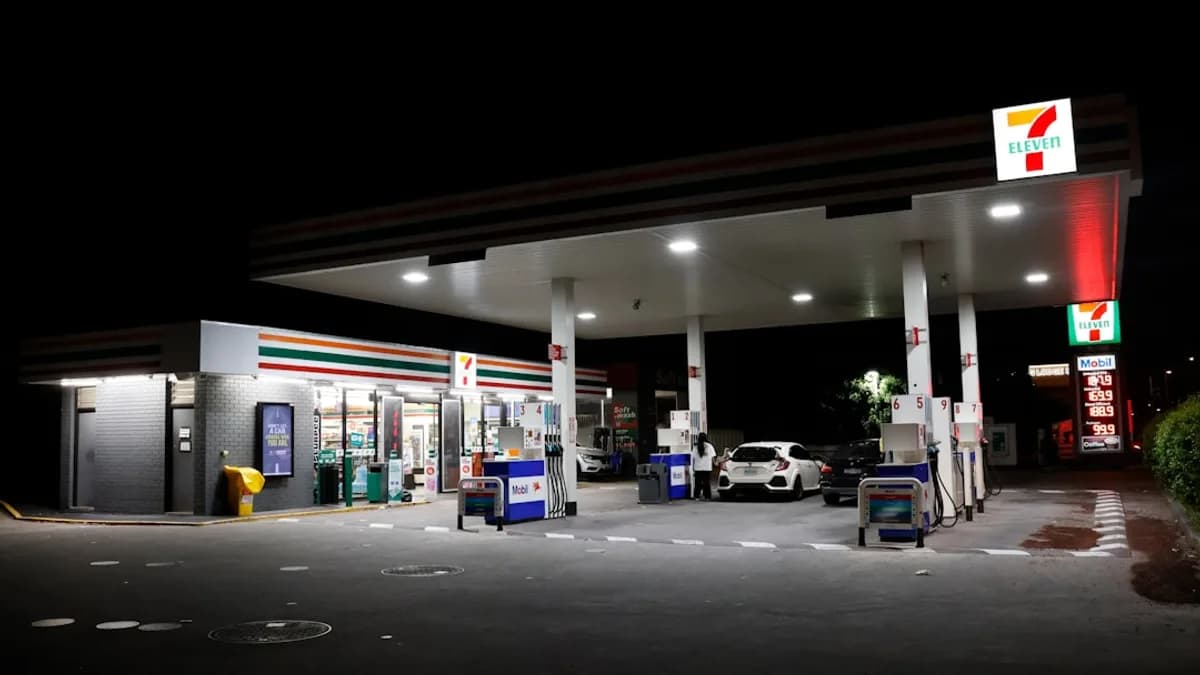
US retail sales surged in March, posting the biggest jump in more than three years. The main driver? Record-high gas prices. This spike pushed retail numbers higher than analysts expected, surprising Wall Street and giving economists more to think about. The rise in sales came as gas stations saw people paying much more at the pump, which boosted the overall sales figures [Source: Google News]. But higher sales don’t always mean shoppers are buying more shirts, shoes, or gadgets. Instead, it often means people are spending more just to cover basic needs. This sharp increase has caught the attention of the Federal Reserve and investors, as it may signal changes ahead for interest rates and the economy. Let’s break down what’s really behind these numbers and what they mean for your wallet.
How Gasoline Price Spikes Drive Retail Sales Growth
When gas prices rise fast, they lift the total retail sales numbers. That’s because gas stations and convenience stores report higher revenue—not because people bought more, but because each gallon costs more. In March, the cost of gas shot up, hitting levels not seen for years. For example, if you paid $60 to fill your tank last month instead of $40, that extra $20 counts as retail sales. Multiply that by millions of drivers, and the retail sales numbers jump quickly.
Economists say this jump can be misleading. If retail sales grow because gas prices spike, it doesn’t mean people are shopping more in other stores. It mostly reflects the extra money spent on fuel, not extra spending on things like clothes, electronics, or furniture. For gas stations, this means more cash coming in, but for other retailers, sales may stay flat or even drop. When gas eats up more of a family’s budget, they often cut back on other purchases.
This pattern shows up every time gas prices soar. In the past, such as during the oil price spikes of 2008 and 2011, retail sales also climbed—but only in categories tied to fuel. Grocery stores and convenience markets see some spillover, since people often buy snacks or drinks while filling up. But big-ticket items and luxury goods rarely see a boost when gas is expensive. So, the headline number can mask weaker demand in most parts of the retail sector.
In short, higher gas prices inflate retail sales totals on reports, but they don’t always mean Americans are feeling richer or shopping more for fun. That’s why many economists look past the numbers and ask: What are people really buying?
Broader Economic Context: What the Retail Sales Jump Reveals About Consumer Behavior
The jump in retail sales tells us a lot about how people are coping with rising costs. Inflation has pushed prices higher for almost everything, not just gas. Many families are feeling the pinch, and it shows in how they spend. While the headline sales number looks strong, it’s important to see if shoppers are cutting back on things they don’t need.
In March, experts noticed that while gas sales soared, other categories like electronics, home goods, and clothing saw only small increases—or none at all [Source: Google News]. This suggests people are spending more on necessities, but not splurging on extras. Some economists think this is a sign that inflation is still hurting household budgets.
Wage growth has helped some families keep up. The latest jobs reports show steady hiring and modest raises, which gives people more money to spend. Still, inflation eats away at these gains. When paychecks grow by 4% but prices jump by 5%, families actually lose buying power. This is why consumer confidence, measured in surveys, has stayed below pre-pandemic levels. Many people worry about their ability to cover bills, and they save more or buy less.
The way people shop is changing, too. Some are switching to cheaper brands, buying in bulk, or using coupons and deals more often. Others are delaying big purchases like cars, appliances, or vacations. This cautious behavior shows up in the detailed retail sales reports, where luxury and non-essential items lag behind basics like food and fuel.
All this paints a picture of shoppers adapting to tough times. Retail sales might look strong on paper, but the story underneath is more complex. It’s less about shopping sprees and more about keeping up with rising costs.
Implications for Monetary Policy: How Retail Sales Influence Federal Reserve Decisions
The Federal Reserve watches retail sales closely. Strong sales, especially when driven by higher prices, can signal that inflation is sticking around. When inflation doesn’t cool off, the Fed may hold off on cutting interest rates. Right now, many experts expect the Fed to wait longer before lowering rates, hoping to see clearer signs that price increases are slowing [Source: Google News].
Higher retail sales numbers give the Fed a reason to be cautious. If people are spending more—even if it’s just on gas—it could keep inflation high. The Fed has a tough job: it wants to slow inflation without hurting the economy. Rate cuts are usually used to boost spending, but if inflation is hot, they risk making prices climb even faster.
Some analysts had hoped for rate cuts soon, pointing to earlier signs that inflation was easing. But the March sales report, driven by expensive gas, changed the conversation. Now, the Fed might wait until summer or fall to make any moves. This delay affects everything from mortgage rates to car loans and credit cards.
Experts say the Fed looks beyond headline numbers. They dig into the details to see where people are spending money. If most of the growth comes from gas, but other stores are quiet, they may not change policy right away. Still, strong sales keep the pressure on policymakers to stay alert.
The Fed’s decisions matter to everyone. Higher rates make borrowing costlier, but can help slow price growth. If the retail sales surge sticks, expect more debate about when and how the Fed will act.
Impact on Financial Markets: Retail Sales and Market Reactions
The stock market jumped on news of strong retail sales, with the Dow Jones climbing as traders bet on steady consumer demand [Source: Google News]. Gas prices played a big role in boosting market sentiment. Investors saw the headline sales numbers and hoped it meant the economy was healthy.
But markets can be fickle. If the sales surge is just from pricey gas, and not from broader shopping growth, confidence may fade quickly. Traders worry that if inflation stays high and the Fed delays rate cuts, borrowing and investing get harder. Stocks often swing wildly when new data comes out, especially if it changes the outlook on rates and inflation.
Gold prices, for example, slipped as investors thought the Fed might keep rates higher for longer [Source: Google News]. Higher rates make gold less attractive as an investment. Other sectors, like retail stocks and consumer goods, saw mixed reactions. Some retailers benefit from higher gas sales; others suffer as shoppers cut back on extras.
Market volatility is likely to continue. If retail sales growth slows or inflation worries grow, stocks could drop again. Investors are watching every report closely, looking for clues about where the economy is headed.
Conclusion: Navigating the Complex Signals Behind Retail Sales Growth
The big jump in retail sales this March was driven mostly by expensive gas, not a shopping boom. While the headline number grabbed attention, it hides the fact that many people are just spending more on basics, not extras. This matters for policymakers, investors, and families planning their budgets.
Looking past the headline, the data shows shoppers are careful, watching prices and making tough choices. Inflation, wage growth, and the Fed’s decisions will shape what happens next. The surge in sales could delay rate cuts, keep markets guessing, and make borrowing costlier.
To really understand the economy’s health, it’s important to track not just what people spend—but where and why. As prices change and policy decisions loom, keeping an eye on these details will help everyone make smarter choices in the months ahead.
⚠️ Disclaimer: This article is for informational purposes only and does not constitute financial advice. Always do your own research before making investment decisions.
Why It Matters
- Record gas prices are inflating retail sales figures, masking underlying consumer spending trends.
- Higher fuel costs force families to cut back on discretionary purchases, affecting broader retail sectors.
- Sudden jumps in retail sales could influence Federal Reserve decisions and impact interest rates.