



Introduction: Understanding the March Surge in US Retail Sales
US retail sales shot up in March, mostly because people spent more on gasoline. The jump surprised many experts, since it was bigger than expected and came after several months of slower growth [Source: Google News]. This surge matters because retail sales show how confident shoppers feel about the economy. It also hints at bigger changes under the surface. Gasoline prices played the biggest part, but other retail sectors also moved. Some grew, some shrank. In this article, we’ll dig into why gas receipts soared, what happened in other areas, and what all this means for the US economy.
The Role of Gasoline Prices in Driving Retail Sales Growth
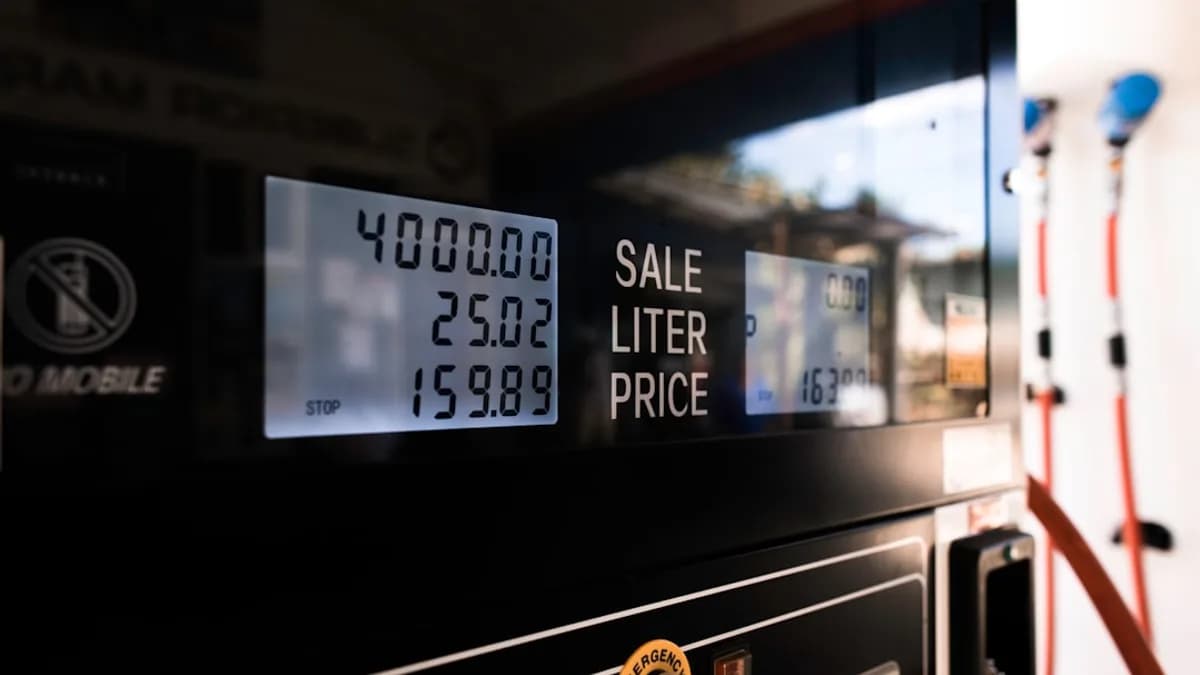
Gasoline prices rose sharply in March. That meant people paid more every time they filled up their cars. As a result, gas stations reported record receipts—meaning they brought in more money than usual [Source: Google News]. This increase in gas spending was the main reason US retail sales jumped.
To put it plainly, when gasoline prices go up, Americans spend more at the pump. But they aren’t buying more gallons; they’re just paying more for the same amount. The U.S. Energy Information Administration said that average gas prices climbed from about $3.35 a gallon in February to over $3.50 in March. That’s a jump of about 4%, which added up fast when millions of cars hit the road.
Gasoline is a big part of everyday budgets. So when prices rise, it shows up in national sales numbers. This pattern isn’t new. When oil prices spike, gas stations see more revenue, and retail sales reports often look stronger—even if shoppers aren’t buying more clothes, electronics, or food.
Economists watch these numbers closely. They know that higher prices at the pump can make overall retail sales look healthy, even if other parts of the economy are weak. March’s surge is a textbook example. Gasoline sales lifted the headline figure, but the underlying story is more complex.
Broader Retail Sales Performance Beyond Gasoline
While gasoline drove the biggest gains, not all retail sectors had the same luck. Some areas, like restaurants and bars, saw steady growth. People kept eating out, which suggests they felt confident enough to spend despite higher fuel costs. Grocery stores also did well, but mostly because food prices stayed high.
On the flip side, sales of big-ticket items like cars and home appliances slowed down. Furniture stores and electronics shops reported weaker numbers. This could mean that people, facing higher gas bills, cut back on bigger purchases.
Inflation played a big part. The Consumer Price Index showed prices for many goods and services kept rising in March. Even though wages went up for some workers, many families felt squeezed. When gas takes up more of the budget, folks often skip extras or delay buying expensive items.
Consumer confidence matters too. In March, surveys showed mixed feelings. Some shoppers felt positive about jobs and income, but others worried about inflation and high interest rates. The result? Growth in some retail categories, but dips in others.
It’s important to look beyond the headline number. While gas receipts soared, other parts of retail told a more mixed story. The surge in gas sales may have masked weakness in places like electronics and home goods. If gas prices keep rising, these sectors could face more trouble.
Economic Implications of Rising Gasoline Prices on Consumer Behavior
When gasoline prices stay high, it strains household budgets. People have less money left for things like eating out, entertainment, or buying new clothes. This shift changes how Americans spend.
If families pay $10 or $20 more each week for gas, they may skip a dinner out or put off buying shoes. Over time, these choices add up. Retailers that sell non-essential items can feel the pinch. In March, we saw this start to happen.
Higher fuel costs also make people rethink their priorities. Some might drive less, combine errands, or even consider more fuel-efficient cars. Others may look for deals or cut back on impulse buys.
Economists worry about something called “inflationary pressure.” When gas prices rise, it can push up the cost of everything else—shipping, food, and more. This can make prices climb faster across the board, leading to what’s called “sticky inflation.”
If this pattern lasts, it could slow down overall retail sales. People might get more cautious, saving money instead of spending it. Retailers could have to offer more discounts to attract shoppers. Companies that rely on trucking or delivery may face higher costs, which could squeeze profits.
For now, March’s surge shows the effect of high gas prices on spending. But if fuel stays expensive, Americans may change their habits in bigger ways. That could lead to slower growth in retail sales in the months ahead.
Comparative Analysis: March Retail Sales in Historical Context
March 2024’s jump in retail sales stands out compared to past years. In 2023, sales were flat or moved up only a little. Back in 2022, there was another surge, but it was driven mostly by reopening after COVID-19 lockdowns, not by gas prices.
Looking at older data, whenever gasoline prices rise quickly, retail sales numbers often look better on paper—like in 2008 and 2011, when oil prices spiked. But those jumps didn’t last. Once gas prices dropped, retail sales slowed down again.
This year feels different. Gasoline prices rose during a time when inflation was already high, and interest rates were up. Families faced more pressure than in past periods. Unlike previous spikes, there’s less room for wage increases to keep up.
March’s numbers are not just about gas. Other sectors are showing mixed results. This points to a retail market that’s less stable than in years when all categories grew together.
In short, history shows that gas-driven sales surges often fade. The big question is whether current conditions will repeat that pattern, or if something new is happening.
Conclusion: What the March Retail Sales Surge Means for the US Economy
March’s record surge in US retail sales was powered mostly by higher spending on gasoline. Other retail sectors showed uneven growth—some up, some down. Inflation and high fuel costs are squeezing family budgets and shifting spending habits [Source: Google News].
This jump in sales looks good for now, but it may not last if gasoline stays expensive. Retailers selling non-essential goods could face harder times. Economists will watch closely to see if Americans keep spending or start cutting back.
For readers and business owners, the takeaway is clear: keep an eye on gas prices. They affect not just your wallet, but the whole retail market. If fuel stays high, expect changes in how and where people spend. The next few months will show whether March’s surge is the start of a new trend—or just a blip in a changing economy.
⚠️ Disclaimer: This article is for informational purposes only and does not constitute financial advice. Always do your own research before making investment decisions.
Why It Matters
- Rising gasoline prices have a direct impact on consumer budgets and retail sales data.
- Strong headline retail sales growth may mask weakness in other sectors of the economy.
- Economists use retail sales figures to gauge consumer confidence and predict economic trends.