Introduction: Current Dynamics in Oil Markets Amid Middle East Tensions
Global oil markets have entered a period of pronounced volatility, with prices reacting swiftly to shifting geopolitical currents in the Middle East. In recent days, oil futures have eased as news spread of potential renewed peace talks between the United States and Iran, raising hopes for a diplomatic resolution to regional tensions [Source: Source]. This development follows statements from key US officials expressing openness to dialogue, which has helped temper fears of further escalation in the region.
However, the situation remains precarious. The ongoing crisis in the Strait of Hormuz—a critical energy chokepoint—continues to threaten physical oil supplies, driving spot prices for physical crude near record highs despite the retreat in futures contracts. Against this complex backdrop, investors are weighing the potential for diplomatic breakthroughs against the persistent risks of supply disruptions, seeking clarity in an environment marked by both optimism and uncertainty.
Geopolitical Background: US-Iran Relations and Middle East Conflict
The relationship between the United States and Iran has been defined by decades of tension, punctuated by occasional efforts at negotiation and frequent episodes of confrontation. The two nations have clashed over issues ranging from Iran's nuclear ambitions and regional influence to US sanctions and military presence in the Middle East. Previous attempts at diplomacy, such as the 2015 Joint Comprehensive Plan of Action (JCPOA), brought temporary relief to markets but ultimately unraveled, leading to renewed hostilities and economic sanctions.
The latest catalyst for market movement is a series of comments by US officials—most notably by senior diplomat Vance—who signaled a willingness to revisit diplomatic engagement with Tehran [Source: Source]. While details remain sparse, these statements have been interpreted as a tentative step toward de-escalation, offering hope that both sides may be open to compromise after months of rising tensions.
Historically, instability in the Middle East has exerted outsized influence on global oil prices. The region is home to major producers and critical shipping lanes, meaning that geopolitical shocks can quickly translate into supply fears and price spikes. Even the mere hint of progress in US-Iran relations tends to ease some of these concerns, as markets anticipate a lower risk of outright conflict or supply chain interruptions. Nevertheless, the legacy of mistrust and the complexity of regional alliances mean that any diplomatic process will face significant hurdles before achieving lasting results.
Market Reactions: Oil Prices and Asian Stock Movements
In the immediate aftermath of the renewed diplomatic overtures, oil prices responded with a marked decline. Brent crude futures, which had surged on concerns of escalating conflict, pulled back as traders reassessed the likelihood of supply disruptions [Source: Source]. The prospect of US-Iran talks was seen as lowering the immediate risk premium in oil markets, leading to a sell-off in futures contracts.
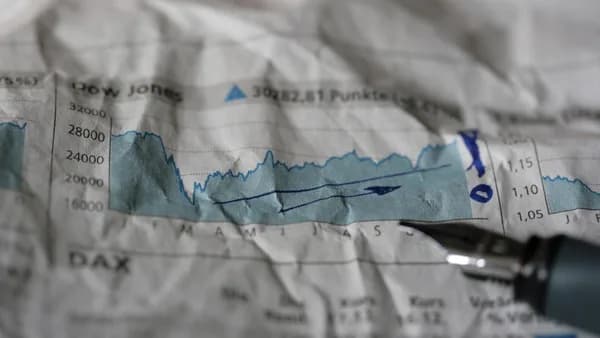
This easing in oil prices had a ripple effect on equity markets, particularly in Asia. Stock indices across the region posted gains, reflecting investor optimism that reduced geopolitical risk could support economic stability and growth [Source: Source]. Sectors sensitive to energy costs, such as transportation and manufacturing, were among the main beneficiaries, as lower oil prices promised relief from input cost pressures.
Yet, a paradox has emerged: while oil futures have retreated on hopes for diplomacy, physical oil prices—those tied to immediate delivery—have soared to fresh records, with some cargoes trading near $150 per barrel [Source: Source]. This divergence highlights the acute stress facing physical supply chains, especially as the Hormuz Strait crisis disrupts shipping routes and raises the cost of securing barrels for prompt delivery. The gap between futures and spot prices underscores the market's uncertainty, with traders hedging against both the potential for sudden diplomatic breakthroughs and the ongoing risks of supply shortfalls.
The Hormuz Strait Crisis: Impact on Physical Oil Supply
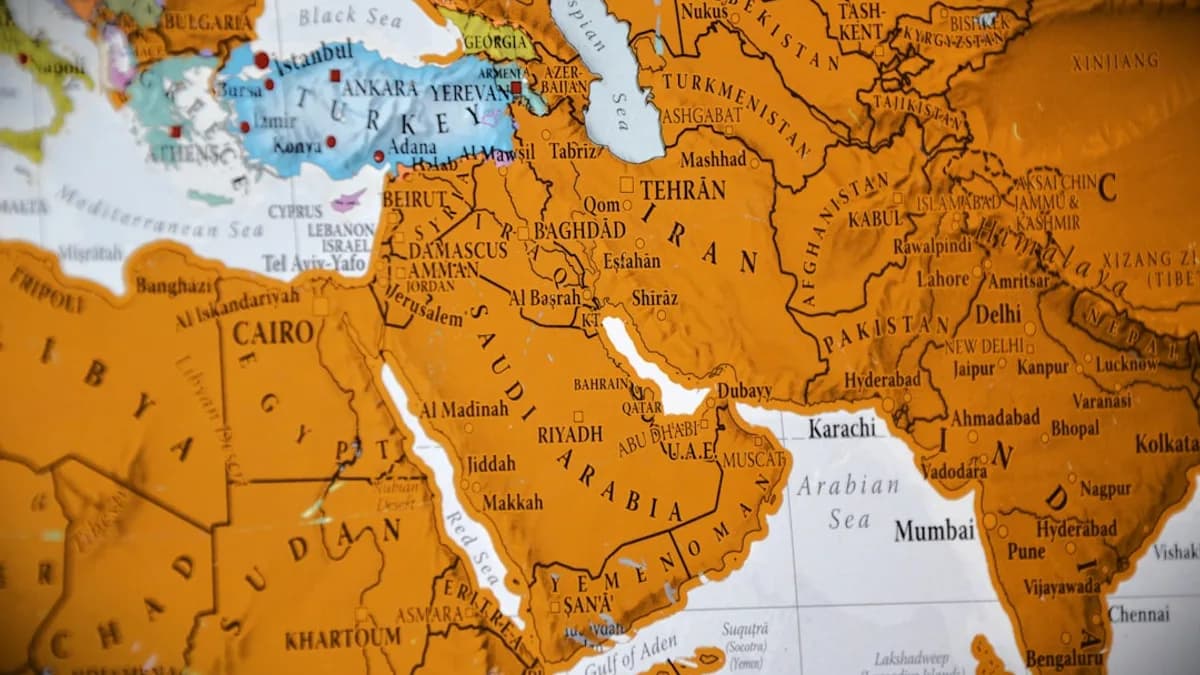
At the heart of current market anxiety is the crisis unfolding in the Strait of Hormuz. This narrow waterway, which handles roughly a fifth of global oil shipments, has long been a strategic flashpoint. Recent hostilities and disruptions—ranging from naval confrontations to attacks on tankers—have significantly increased the risk of supply interruptions [Source: Source].
As a result, the cost of physical oil, particularly for immediate shipment, has surged. Reports indicate that some physical cargoes are trading at nearly $150 per barrel, reflecting both the scarcity of available supply and the heightened risk premiums demanded by sellers and insurers [Source: Source]. These record-high physical prices stand in stark contrast to the relative calm in futures contracts, underscoring the disconnect between paper markets and the realities of physical logistics in a crisis zone.
The implications for global energy security are profound. Should the situation in the Strait of Hormuz deteriorate further, the potential for large-scale supply disruptions could trigger even more extreme price volatility and threaten the stability of energy-dependent economies worldwide. Policymakers and market participants alike are closely monitoring the situation, aware that any escalation could have cascading effects far beyond the region.
Outlook and Implications: What Renewed US-Iran Talks Could Mean for Markets
The possibility of renewed US-Iran negotiations presents a range of scenarios for oil markets. In the most optimistic case, sustained diplomatic progress could ease tensions, restore confidence in the security of Middle East supply routes, and gradually push both futures and physical prices lower [Source: Source]. This would offer much-needed relief to energy consumers and help stabilize broader financial markets.
Conversely, should talks stall or break down, the risk of renewed confrontation—and with it, further supply disruptions—would likely reignite upward pressure on prices. Market participants are acutely aware of the fragile nature of the current détente, with any setback potentially reversing recent gains in both oil and equity markets.
Over the long term, successful diplomacy could support a more stable energy price environment, encouraging investment and reducing the volatility that has characterized oil markets in recent years. For the global economy, a de-escalation of Middle East tensions would remove a key source of uncertainty, supporting growth prospects and bolstering business and consumer confidence. However, the path forward remains uncertain, and much will depend on the ability of all parties to navigate the complex political landscape and build trust through concrete actions.
Conclusion: Balancing Optimism with Caution in Energy Market Forecasts
The recent easing of oil prices amid hopes for US-Iran peace talks illustrates the profound impact that geopolitics can have on global energy markets. While the prospect of renewed diplomacy offers a glimmer of hope for market stability, the ongoing crisis in the Strait of Hormuz serves as a stark reminder of the persistent risks facing physical oil supply [Source: Source].
Uncertainty remains the defining feature of the current landscape. Investors and policymakers must balance optimism about diplomatic progress with caution regarding the potential for renewed tensions or unforeseen disruptions. As events continue to unfold, vigilant monitoring and prudent risk management will be essential to navigating what promises to be a turbulent period for the world’s energy markets.
⚠️ Disclaimer: This article is for informational purposes only and does not constitute financial advice. Always do your own research before making investment decisions.