Oil Prices Dip as Investors Watch Iran Peace Talks
Oil prices dropped this week. Investors are paying close attention to talks between Iran and other countries about peace in the Middle East [Source: Google News]. These talks are making the markets jump around. Stocks went up as traders hoped for a deal, even though the news from Iran keeps changing.
What happens in Iran matters to the world. If the talks work, oil might stay cheap. If not, prices could shoot up. Stocks are moving as people try to guess what will happen next. Today, we'll look at why oil and stocks are behaving this way, what it means for investors, and what could come next.
How Iran Peace Talks Move Oil Prices
When news comes out about peace talks in Iran, oil prices can swing fast. Investors want to know if there will be fighting or peace. If Iran agrees to a deal, oil usually drops because people hope for fewer problems with supply. If talks break down or tensions rise, oil can surge.
A big reason is the Strait of Hormuz. This narrow waterway is like a highway for oil tankers. About one-fifth of the world's oil goes through it every day [Source: Google News]. Any trouble there can make oil expensive. This week, Iran put new limits on ships passing through the Strait. That made traders nervous. Some days, oil prices jumped on worries about supply. Other days, they fell when talks seemed hopeful.
Mixed messages from Iran have made things confusing. Sometimes, officials hint at a deal. Other times, they warn of more conflict. The ceasefire deadline is coming up soon. If it ends without a deal, oil could spike. If they reach an agreement, prices might stay low or even fall more.
This isn't the first time oil has moved because of Middle East troubles. In 2019, attacks on Saudi oil fields made prices jump. Back in the 1970s, oil prices soared during the Arab oil embargo. Today's swings are smaller, but the pattern is the same: what happens in this region affects the whole world's oil.
Stock Market Gains Despite Tensions
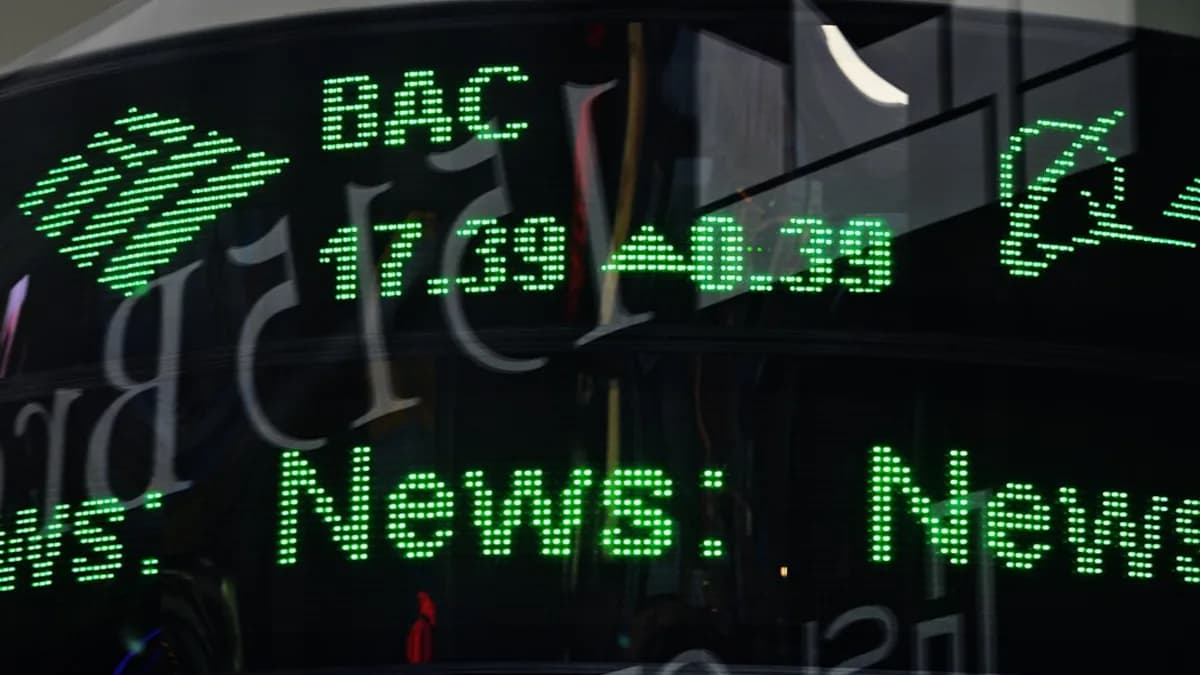
Stocks have gone up even though there's still risk in the Middle East [Source: Google News]. This may seem strange. Usually, when there's trouble with oil, stocks fall. But this time, investors hope the peace talks will work out.
Some investors think the worst is over. They are betting on a deal. This makes riskier assets, like stocks, look better. Others are buying stocks in companies that use a lot of oil, hoping prices will stay low. Energy companies, like oil drillers, are more careful. They could lose money if prices drop too much.
Tech stocks have gained the most. These companies don't depend much on oil, so traders see them as safer. Airlines and shipping firms also benefit from cheaper fuel. On the other hand, oil producers and refiners are at risk. If oil stays low, their profits could shrink.
Some investors are moving money into safer places, like bonds or gold, just in case talks fail. But so far, the main stock indexes—like the S&P 500 and NASDAQ—have gone up. People are hoping for the best, even though the news can change fast.
Opinion: Optimism May Hide Real Risks
Right now, the market looks too hopeful. Investors seem to think the Iran talks will work out and oil will stay cheap. But history shows that peace deals in the Middle East are hard to get—and easy to break. If talks fail, fighting could start again. That would send oil prices soaring and stocks tumbling.
Imagine if Iran closes the Strait of Hormuz fully. Oil could jump to $100 or more a barrel, like it did in past crises. That would hurt airlines, shipping firms, and any business that uses a lot of fuel. Inflation could get worse, and central banks might have to raise interest rates.
Stocks could drop fast if traders get scared. Sectors that depend on cheap oil, like travel and transportation, could lose big. Even tech stocks might fall if overall market confidence drops. Investors should remember how quickly things changed in 2022, when Russia invaded Ukraine—markets flipped from calm to chaos in days.
It's easy to get comfortable when prices are low and stocks are rising. But peace talks can fail. Political tensions can flare up with little warning. Investors need to stay alert and not assume everything will work out. Diversifying investments and watching for signs of trouble is smart.
Right now, many are betting that Iran will make a deal. But the risks are real. If talks break down, oil could surge and stocks could fall. Traders should be ready for both outcomes. Hope is good, but caution is better.
Bigger Picture: Energy Security and Geopolitics
The Iran talks show how fragile global energy is. Most countries depend on oil from the Middle East. When things go wrong there, everyone feels it—at the gas pump, in factories, and in markets.
If tensions stay high, countries may look for new ways to get energy. They might build more wind and solar farms or look for oil in safer places. Some may make deals with other oil producers, like the U.S. or Canada. But changing where the world gets its energy takes time and money.
For now, oil from the Middle East is still key. Policy makers and businesses need to plan for ups and downs. That means keeping extra supplies, building strong trade ties, and having backup plans if supply gets cut.
This crisis might push leaders to invest more in clean energy. It could also make countries rethink how much they depend on oil from any one place. Managing these risks is now just as important as finding new sources.
Balancing Hope and Caution for Investors
Oil prices are jumping as Iran talks go back and forth. Stocks have gone up, but the risks remain [Source: Google News]. Investors should be hopeful for peace, but not blind to the dangers.
The Middle East is unpredictable. What happens next could swing markets in either direction. Staying informed and planning for surprises is smart. Diversifying investments and watching both oil and political news can help.
Hope and caution go hand in hand. That's how investors can be ready for whatever comes next.
⚠️ Disclaimer: This article is for informational purposes only and does not constitute financial advice. Always do your own research before making investment decisions.
Why It Matters
- Oil prices affect global costs for transportation, heating, and manufacturing, impacting everyday expenses.
- Stock market gains signal investor optimism but also highlight uncertainty around Middle East stability.
- Peace talks in Iran could shape future energy prices and economic trends worldwide.