Introduction: Current Volatility in Oil Markets Amid Middle East Tensions
Oil markets have experienced heightened volatility over the past week, driven by escalating tensions in the Middle East and a series of high-stakes diplomatic maneuvers. Prices have swung sharply in response to shifting narratives, with threats to critical shipping lanes and ongoing negotiations dominating headlines. Key players, including U.S. political leaders and regional governments, have stepped up efforts to address the conflict, hoping to calm global concerns about supply disruptions.
This article presents a comprehensive roundup of the latest developments, examining how diplomatic efforts, geopolitical threats, and market reactions are shaping the energy and financial landscape. By tracing the interplay between political statements, oil price movements, and broader financial market responses, we aim to provide clarity on the factors influencing investor sentiment and the outlook for global markets.
Diplomatic Efforts to Resolve the Middle East Conflict
One of the central figures in the ongoing crisis is U.S. Secretary of State Vance, who has signaled that diplomatic channels remain open and negotiations are underway to resolve the Middle East conflict [Source: Source]. Vance’s statements have been interpreted as an attempt to reassure both regional actors and international markets that a peaceful resolution is possible, despite the intensity of hostilities and the strategic importance of the affected area.
The conflict, which involves key oil-producing nations and centers around control of vital shipping routes, has heightened fears of supply disruptions. The Strait of Hormuz, through which roughly a fifth of the world’s oil passes, has become a focal point for both military posturing and diplomatic overtures. Vance’s efforts are aimed at defusing tensions, preventing escalation, and maintaining the free flow of energy exports.
The potential implications of these diplomatic negotiations are profound. A breakthrough could restore stability, ease market anxieties, and drive oil prices lower. Conversely, a breakdown in talks risks further escalation, leading to supply shocks and sustained price volatility. Market participants are closely watching for signs of progress or setbacks, knowing that the outcome will ripple across global energy and financial systems.
Impact of Geopolitical Tensions on Oil Prices
The oil market’s sensitivity to geopolitical developments was evident in recent price movements. Following Vance’s public statements regarding ongoing diplomatic efforts, oil prices fell, reflecting investor optimism that a peaceful resolution might avert supply disruptions [Source: Source]. However, the situation remains highly fluid, and subsequent events have underscored the precariousness of the market.
Former President Trump made headlines by threatening to block passage through the Strait of Hormuz, a move that would severely restrict oil flows and trigger significant price spikes [Source: Source]. In the wake of Trump’s remarks, oil prices rebounded, with Brent crude jumping back above $100 per barrel as traders rushed to hedge against the possibility of a blockade [Source: Source]. The threat underscored the vulnerability of global energy supplies to political actions and fueled speculation about potential retaliatory measures.
Amid the escalating Hormuz crisis, physical oil prices have surged to fresh record highs, nearing $150 a barrel according to recent reports [Source: Source]. Physical markets—which reflect actual barrels traded rather than futures contracts—are particularly sensitive to immediate supply risks. This rise highlights the disconnect between spot prices and broader expectations, as buyers scramble to secure supplies in the face of potential disruptions.
Geopolitical tensions have injected considerable volatility into global oil markets. Each new development—from diplomatic gestures to military threats—has triggered rapid shifts in price and sentiment. The market’s reaction underscores the critical role of Middle East stability in global energy dynamics, as well as the challenges facing policymakers attempting to navigate the crisis.
Broader Financial Market Reactions
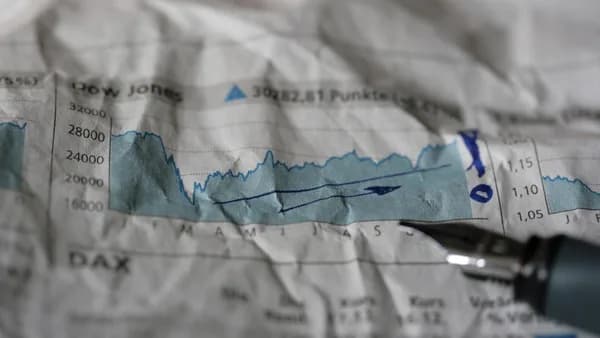
The impact of oil market volatility has extended well beyond the energy sector, influencing broader financial markets in significant ways. The Dow Jones Industrial Average slipped following renewed concerns about a potential blockade of the Strait of Hormuz, as investors weighed the risks of higher energy costs and supply chain disruptions [Source: Source]. Stock indices across the globe have reflected heightened uncertainty, with fluctuations tied closely to headlines from the region.
Global bond markets have also reacted sharply. The failure of diplomatic talks and the escalation of the Hormuz crisis have contributed to a slide in bond prices, driven by rising inflation fears [Source: Source]. As oil prices surged, investors anticipated higher input costs for businesses, potentially feeding into broader price increases and pressuring central banks to tighten monetary policy. This dynamic has fueled a sell-off in bonds, as traders recalibrate their expectations for future interest rates.
The interconnection between commodity prices, inflation expectations, and investor sentiment is particularly pronounced during times of geopolitical stress. Oil’s role as a key input for transportation, manufacturing, and heating means that price spikes can ripple across the economy, affecting everything from corporate profits to consumer spending. Financial markets are thus highly attuned to developments in the Middle East, with each new twist shaping risk calculations and portfolio decisions.
Outlook and Potential Scenarios
Looking ahead, the trajectory of oil prices and financial markets will hinge on the outcome of ongoing diplomatic efforts. If negotiations led by figures like Vance succeed, the immediate threat to the Strait of Hormuz could diminish, restoring confidence and driving prices lower. Such an outcome would likely stabilize financial markets, reduce inflation fears, and support economic growth in oil-importing countries.
Conversely, a failure of diplomacy—coupled with sustained threats or actual disruptions—could push oil prices to new highs, exacerbate volatility, and trigger broader market sell-offs. Investors would face elevated risks, with inflationary pressures intensifying and central banks potentially forced to respond more aggressively.
In the short term, markets will continue to react to headlines and signals from key actors. Medium-term effects will depend on whether tensions are resolved or escalate further. For investors and policymakers, close monitoring of geopolitical developments remains essential, as the stakes for energy security and financial stability are exceptionally high.
Conclusion: Navigating Uncertainty in Oil and Financial Markets
The past week has underscored the profound influence of Middle East geopolitics on global oil and financial markets. Diplomatic efforts led by Vance have provided some reassurance, but threats to critical shipping lanes and record-high physical oil prices highlight the ongoing risks [Source: Source]. Financial markets have responded with volatility, reflecting concerns about supply, inflation, and broader economic stability.
The importance of diplomacy in stabilizing markets cannot be overstated. As negotiations continue, investors and policymakers must remain vigilant, adapting to new information and preparing for a range of outcomes. The evolving situation serves as a reminder of the interconnectedness of energy, politics, and finance—and the need for agility in navigating periods of uncertainty.
⚠️ Disclaimer: This article is for informational purposes only and does not constitute financial advice. Always do your own research before making investment decisions.