Introduction to Kevin Warsh’s Nomination for Federal Reserve Chair
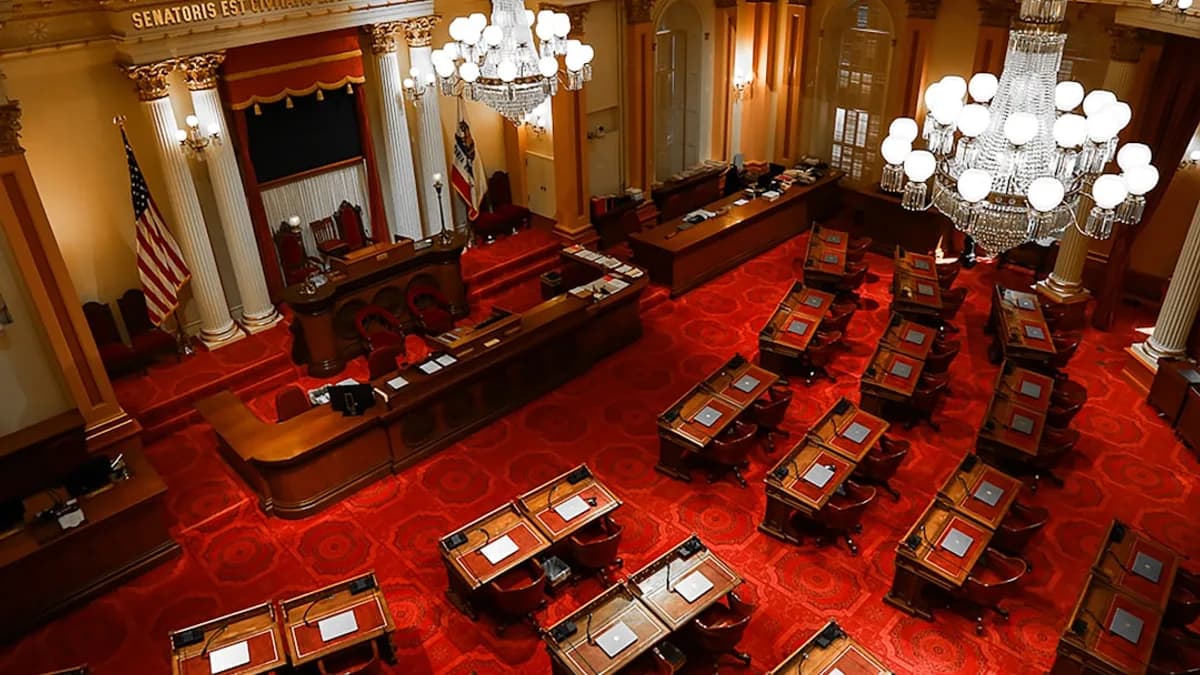
Kevin Warsh will face tough questions from senators today as he aims to become the next Federal Reserve Chair, replacing Jerome Powell. This is a big deal because the Fed Chair controls interest rates, helps fight inflation, and guides the U.S. economy. Warsh, a former Fed governor, was chosen by Donald Trump, who has been unhappy with Powell’s decisions, especially on interest rates [Source: Google News]. The hearing comes at a time when the U.S. is dealing with high inflation, rising borrowing costs, and worries about a possible recession. Many are watching closely to see if Warsh will bring new ideas or stick to the current path. His answers could decide how the Fed handles tough economic times ahead.
Key Themes and Questions at Kevin Warsh’s Senate Hearing
Senators will focus on several big questions during Warsh’s hearing. One major theme is his view on monetary policy. They want to know if he will change the way the Fed handles interest rates and inflation. Some worry that Warsh might push for lower rates, which could boost the economy but also make inflation worse. Others fear he might be too cautious and slow to act if prices keep rising [Source: Google News].
Another concern is Warsh’s past experience at the Fed. He served as a governor during the 2008 financial crisis and was seen as a critic of aggressive money printing. Lawmakers will ask if his past decisions fit today’s challenges. Some senators question whether Warsh’s ties to Wall Street—he worked at Morgan Stanley—could lead to conflicts of interest. They will likely press him about how he will stay independent and avoid favoring big banks.
Finally, senators want to know how Warsh plans to keep the Fed open and clear with the public. The central bank’s actions affect everyone, from families buying homes to businesses investing in new projects. Many hope Warsh will explain his plans in simple terms and make sure the Fed listens to regular people, not just experts. The hearing will reveal if Warsh can answer these questions and win broad support.
Political Dynamics Surrounding the Fed Chair Nomination
Politics are shaping Warsh’s nomination from the start. Trump’s public fight with Jerome Powell has made the process tense. Trump has blamed Powell for raising interest rates too quickly, saying it hurt the economy. He wants a new Fed Chair who will listen to his views and make borrowing cheaper [Source: Google News]. This feud has made Warsh’s nomination more than just about economics—it’s now about loyalty and control.
The Senate is divided, with Democrats and Republicans split on what the Fed should do next. Some Republicans say the Fed should cut rates to help growth, while many Democrats worry about inflation and want the central bank to keep prices stable. Warsh must convince both sides that he can work for the whole country, not just one party.
Political pressures might shape how Warsh acts if he gets the job. He could face calls to move quickly on interest rates or face blame if the economy slows down. The Fed Chair is supposed to be independent, but this nomination is testing that idea. If confirmed, Warsh will need to balance political demands with what the economy needs. It’s a tough spot, and how he handles it could set the tone for the Fed’s future.
Implications of a Warsh Appointment for Federal Reserve Policy
If Warsh takes over as Fed Chair, the central bank could shift its policy in several ways. Warsh has been known for his cautious approach to money printing and for questioning aggressive stimulus. This means he might not be quick to cut rates or flood the economy with cash, even if growth slows [Source: Google News]. That could help fight inflation, but it might make it harder for people and businesses to borrow.
Investors and markets are watching closely. When the Fed changes its approach, it affects everything—from mortgage rates to stock prices. If Warsh signals he will keep rates high to fight inflation, borrowing costs could stay up, and growth might slow. But if he hints at lowering rates, markets could surge, hoping for cheaper loans and more spending. The choice will shape how much people pay for homes, cars, and credit cards.
Warsh’s leadership could also change how the Fed talks to the public. Powell has been known for clear messages and steady updates. Warsh might bring his own style, focusing more on long-term risks and less on short-term fixes. Some analysts say this could make the Fed less predictable, which might worry investors. Others think Warsh’s experience during the 2008 crisis could help him handle new shocks.
Globally, the Fed’s decisions affect other countries too. If the U.S. keeps rates high, it can draw money away from other economies and make their currencies weaker. If Warsh changes direction, it could cause ripple effects, from London to Tokyo. The stakes are high, and every word from Warsh will matter.
Expert Opinions and Editorial Perspectives on the Nomination
Economists and financial experts are split on Warsh’s suitability. Some say his experience during the financial crisis is a plus, showing he can handle tough times. Others worry about his ties to Wall Street and whether he will put big banks ahead of regular folks [Source: Google News].
Editorials from major papers like the Wall Street Journal suggest this could mark a “new era” for the Fed. They argue Warsh might bring fresh ideas but warn that too much change could unsettle markets. Some analysts compare Warsh to Powell, noting Powell’s steady hand and open style versus Warsh’s focus on risk and caution. Where Powell leaned toward clear statements and gradual changes, Warsh may prefer bold moves and less talk.
A few experts point out that Warsh’s views on inflation could mean tighter money and slower growth. That might help control prices but could hurt jobs and spending. Others say Warsh’s willingness to challenge old ideas could help the Fed face new problems, like rising debt or banking risks.
In the end, most agree the Fed Chair needs to balance many goals—growth, jobs, prices, and market stability. Warsh will need to prove he can do all these things, and his critics will be watching every step.
Conclusion: What to Expect Next in the Federal Reserve Chair Confirmation
Kevin Warsh’s hearing is just the start. Senators will keep digging into his record, views, and plans for the Fed. The next steps include more questions, votes, and debates as Warsh tries to win enough support for confirmation [Source: Google News]. How he answers today could shape the vote and the Fed’s future.
For now, markets and businesses are waiting for clear signals. Will Warsh bring big changes? Or will he stick to steady, slow moves? The outcome will affect everything from jobs to interest rates to global trade. As the process moves ahead, keep an eye on how Warsh balances politics, public trust, and the tough choices facing America’s central bank. The next weeks will show if he’s ready for the job—and what it means for the U.S. economy.
⚠️ Disclaimer: This article is for informational purposes only and does not constitute financial advice. Always do your own research before making investment decisions.
Why It Matters
- The next Fed Chair will directly influence interest rates and inflation policy, impacting the U.S. economy.
- Warsh's answers could signal changes in how the Fed responds to recession risks and high inflation.
- Concerns about independence and transparency at the Fed affect trust in the central bank among the public and investors.