Introduction to Kevin Warsh’s Controversial Fed Chair Nomination
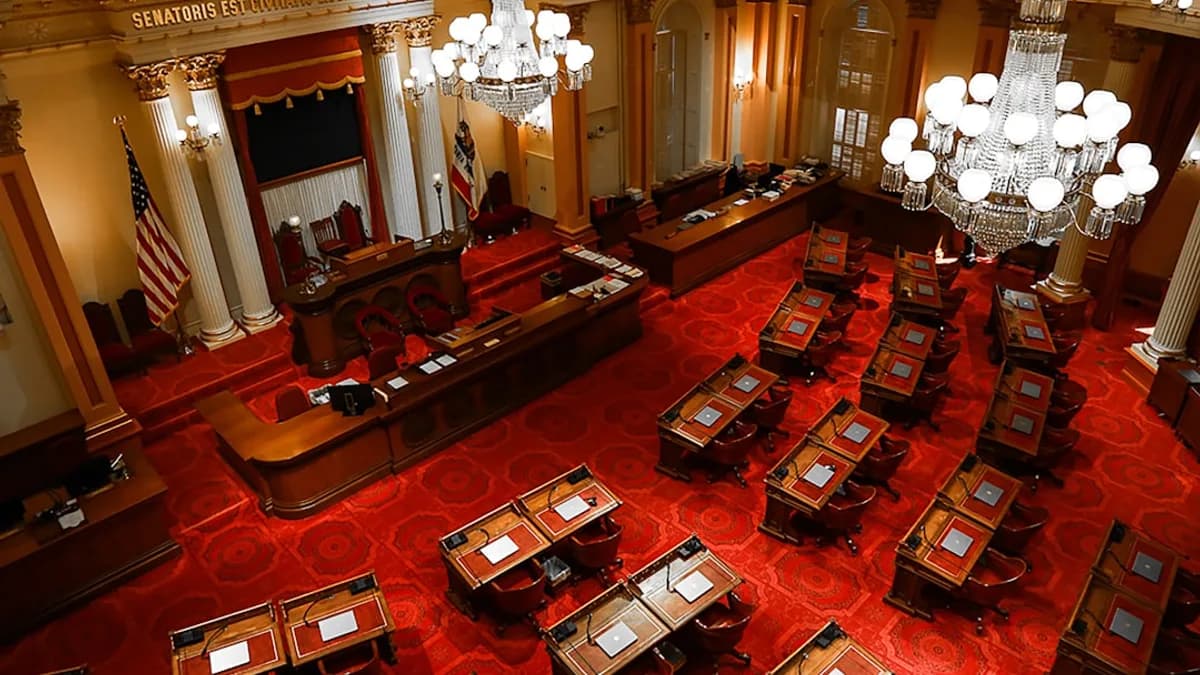
Kevin Warsh, President Trump’s pick for Federal Reserve Chair, faced tough questions from a Senate panel this week. Senators pressed him on his ideas and his independence, making the hearing tense and uncertain. Warsh’s nomination has sparked debate on both sides of the aisle, with some lawmakers worried about his ties to Wall Street and his approach to controlling inflation.
Right now, Warsh’s confirmation hangs in the balance. The Senate has not voted, and there is no clear timeline for a decision. The Federal Reserve is a key part of the country’s money system, and picking its leader is always a big deal. With the economy facing high prices and slow growth, the Fed’s next boss matters more than ever [Source: Google News].
Key Highlights from the Senate Panel Hearing on Warsh’s Fed Chair Bid
The Senate hearing was heated from the start. Both Democrats and Republicans asked tough questions about Warsh’s plans for the Fed, his past work at Morgan Stanley, and whether he would stand up to President Trump. Senator Elizabeth Warren pressed Warsh on his Wall Street background, asking if he would put big banks first. Senator Pat Toomey, a Republican, asked if Warsh would keep the Fed focused on fighting inflation instead of helping politicians.
Some senators worried Warsh might just follow Trump’s orders. Warsh pushed back, saying, “I will not be Trump’s sock puppet,” making it clear he wants to keep the Fed independent [Source: Google News]. He added that he believes in “sound money” and wants to fight inflation, even if that means raising interest rates.
Warsh defended his record, saying he learned a lot during the last financial crisis. He said he would listen to data, not politics, when making decisions. But several lawmakers, including Senator Sherrod Brown, said they were not convinced. Brown warned that the Fed “can’t afford to be politicized right now.”
The hearing showed that senators are worried about both the economy and the Fed’s independence. Some called Warsh’s answers “vague.” Others said his ideas could mean big changes for how the Fed works. The room was tense, and no one could say for sure if Warsh would win enough votes.
Kevin Warsh’s Fed ‘Regime-Change’ Plan and Its Implications
Warsh’s big idea is to change how the Federal Reserve runs. He calls it a “regime-change” plan. This means the Fed would focus more on fighting inflation and less on boosting jobs or helping the government borrow money. He wants stricter rules for when the Fed can print money or cut interest rates.
Warsh says this would make the Fed more stable and less political. He believes steady money and clear rules help people trust the system. He also wants to limit emergency actions, like the ones taken during the 2008 crisis.
Economists and lawmakers are split. Some, like former Fed Chair Paul Volcker, have long argued for tight control over inflation. But others say Warsh’s plan could make recessions worse, since the Fed would have fewer tools to help. Critics point out that the Fed also needs to support jobs, not just keep prices down.
A few senators worried that Warsh’s plan could hurt low-income families. If the Fed raises rates too fast, borrowing gets harder and jobs may disappear. Warsh says he will “watch the data” and “move carefully,” but many are not convinced.
Experts say the Fed has changed a lot since the 1980s. Back then, fighting inflation was everything. Now, the Fed tries to balance prices and jobs. Warsh’s plan would shift the focus back to inflation, which could mean higher rates and slower economic growth. Some analysts think markets might get nervous if the Fed becomes less flexible.
Lawmakers and economists will keep debating these ideas. The outcome could shape the Fed—and the economy—for years to come.
Economic and Political Uncertainty Amid the Fed Chair Standoff
The fight over Warsh’s confirmation is causing worry in both markets and Washington. Investors hate uncertainty. When the Fed’s future is unclear, stocks can swing, and businesses may wait before making big decisions. This is especially true now, with inflation still high and the economy slowing down [Source: Google News].
Market experts say the Fed needs a steady hand. The last few Fed chairs, like Janet Yellen and Jerome Powell, helped calm markets during rough times. If the Senate drags out Warsh’s confirmation, or rejects him, it could shake confidence. Some traders are already betting that interest rates might jump if Warsh gets the job.
Politically, the standoff is making things tense. Trump wants a Fed chair who will fight inflation and support his plans. But senators from both parties worry about losing the Fed’s independence. The Fed is supposed to be above politics, making decisions for the country—not for one president.
If the Senate can’t agree, the Fed could be left without a leader. That happened once before—in 1987, after Paul Volcker left and before Alan Greenspan took over, markets crashed. Now, with global risks rising and the U.S. economy slowing, some fear a repeat.
Economists warn that the Fed may struggle to respond to crises if the chair’s job stays empty. The central bank needs strong leadership to steer through tough times. Right now, the Senate’s hesitation is making things harder.
People worry about what comes next. Will the Fed be able to fight inflation and support jobs? Will markets stay calm? The answer depends on whether the Senate moves quickly—or keeps dragging its feet.
Conclusion: What the Future Holds for the Federal Reserve Leadership
The Senate hearing made Warsh’s confirmation look shaky. Lawmakers are split, and the fight is not over. The next steps could include more debate, a vote, or even a new nominee if Warsh falls short.
One thing is clear: the Fed needs steady leadership, especially when the economy is troubled. With inflation high and growth slow, the country can’t afford more uncertainty. Investors, businesses, and families are all watching what happens next.
If Warsh does get confirmed, his ideas could change how the Fed tackles inflation and jobs. If not, President Trump will need to find someone else. Either way, the choice will shape the U.S. economy for years to come. The Senate’s decision could come soon—or drag on, leaving the Fed and the markets in suspense [Source: Google News].
⚠️ Disclaimer: This article is for informational purposes only and does not constitute financial advice. Always do your own research before making investment decisions.
Why It Matters
- The Fed Chair influences interest rates and the economy, impacting everyone.
- Concerns over Warsh’s independence highlight fears of political interference in monetary policy.
- The outcome could affect how the Fed handles inflation and economic growth challenges.