Introduction to Kevin Warsh’s Nomination as Federal Reserve Chair
Kevin Warsh is up for one of the most powerful jobs in the U.S. economy—Federal Reserve Chair. Former President Donald Trump picked Warsh to lead the Fed, and the Senate will soon hold a confirmation hearing to decide if he gets the job [Source: Google News]. The Fed Chair shapes how much things cost, controls interest rates, and helps guide the country through tough times. With markets watching closely, Warsh’s nomination is making headlines. Many are asking what his leadership could mean for the economy, and how his views might steer the Fed’s work.
Background and Career Highlights of Kevin Warsh
Kevin Warsh is no stranger to the world of finance. Before this nomination, he spent years working at top banks and inside government. Warsh started his career at Morgan Stanley, one of the largest investment banks, where he worked on big deals and learned how money moves on Wall Street. In 2006, President George W. Bush appointed him to the Federal Reserve Board, making him one of the youngest people ever to serve as a governor.
At the Fed, Warsh helped shape policy during the financial crisis of 2008. He pushed for quick action to support banks and keep the economy stable. After leaving the Fed in 2011, he became a senior adviser at Stanford University and wrote papers on economic policy. He is known for believing in a strong but cautious Fed. Warsh often says the central bank should avoid getting too involved in politics or risky experiments.
His critics say he can be too conservative, sometimes slow to act. Fans argue he has a steady hand and deep knowledge. Warsh’s main policy views focus on keeping inflation low and making sure the Fed only steps in when needed. He worries about the Fed printing too much money and wants to stick to tried-and-true methods.
Understanding the Federal Reserve Chair’s Role and Responsibilities
The Federal Reserve Chair is a big deal because the Fed controls how much money is in the economy. The Fed sets interest rates, which affects loans, mortgages, and business growth. When rates are low, people borrow more and spend more. When rates are high, borrowing slows down and prices can drop.
The Fed also makes sure banks are safe and money keeps moving smoothly. The Chair leads the team that decides when to raise or lower rates and how strict to be with banks. Independence is key. The Fed is supposed to stay out of politics so it can make smart choices based on facts, not pressure from lawmakers.
The Chair’s decisions can change the price of groceries, the cost of homes, and even how many people have jobs. Past Fed Chairs like Jerome Powell and Ben Bernanke steered the country through recessions and booms, often facing tough questions from Congress and the public. Whoever becomes Chair has to balance keeping inflation low, helping workers, and making sure the financial system stays healthy.
Senator Tim Scott’s Prediction of GOP Support for Warsh
Senator Tim Scott says Republicans will almost all back Warsh’s nomination. Scott expects “near unanimous” support from GOP senators when the confirmation vote happens [Source: Google News]. This strong backing comes as the party wants a Fed Chair who is careful and sticks to basics. Many Republicans see Warsh as someone who won’t let the Fed get too creative or too political.
Politics always play a part. For the GOP, Warsh’s ties to past Republican presidents and his cautious style make him a safe pick. Still, some Democrats may push for answers on how he would help workers and fight inflation. If Warsh wins support from both sides, it could show the Senate is looking for stability in uncertain times.
Kevin Warsh’s Views on Federal Reserve Independence and Policy Approach
Warsh says the Fed should “stay in its lane” and not let politics or outside pressure shape its choices [Source: Google News]. He believes independence is the best way for the Fed to keep the economy stable. Warsh often warns against the central bank doing too much or trying bold new ideas just because they are popular.
On monetary policy, Warsh prefers slow, careful moves. He has called for the Fed to focus on fighting inflation and making sure prices don’t surge too fast. He also worries about the risks of keeping interest rates too low for too long, which can make stocks and housing prices bubble up.
Warsh’s stance could mean the Fed is less likely to use big new tools like “quantitative easing,” which was used after the 2008 crash to pump money into the system. Instead, he wants the Fed to rely on clear rules and old-school methods. If he becomes Chair, markets may see less surprise action and more steady guidance.
This approach could help keep inflation in check, but some experts say it might make it harder for the Fed to help if another crisis hits. Warsh’s focus on independence and sticking to basics sets him apart from some past leaders who tried new ways to fix problems.
What to Expect from the Senate Confirmation Hearing
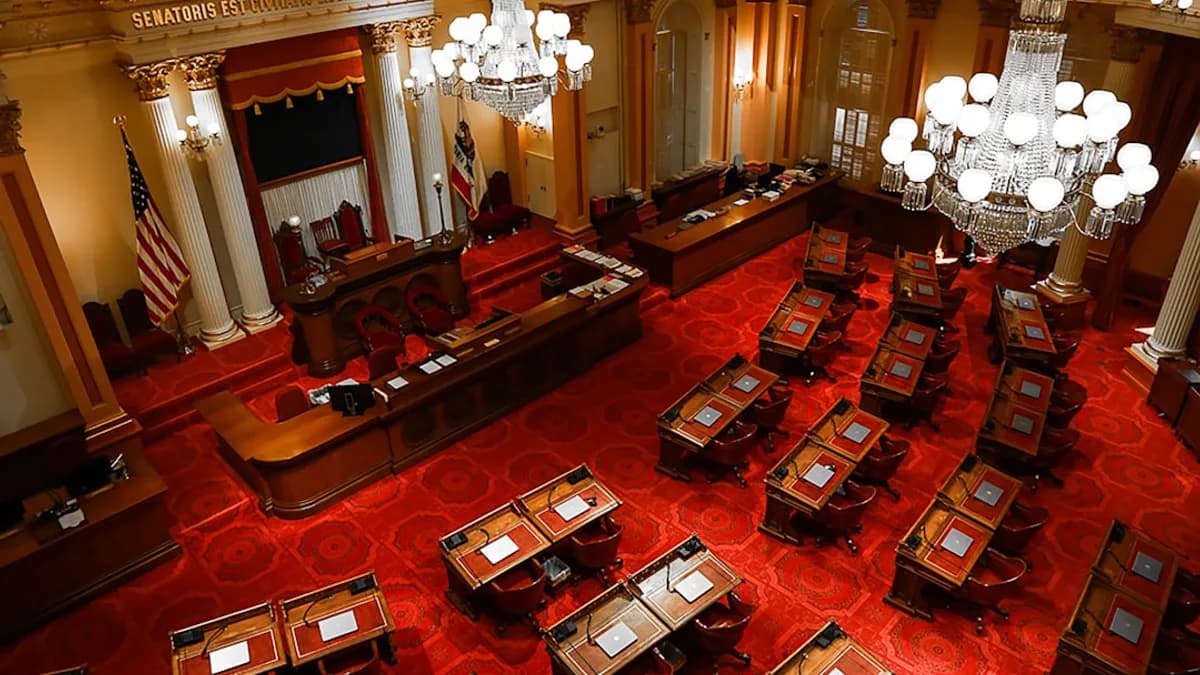
The confirmation hearing is the big test for Warsh. Senators will ask tough questions about his past decisions and his plans for the Fed. They will want to know how he would handle inflation, job growth, and risks to the economy. Topics like transparency—how open the Fed is about its moves—and how the Fed can help regular people may come up.
Warsh’s prepared remarks will likely stress his experience, his cautious approach, and his belief in Fed independence [Source: Google News]. He may talk about lessons from the 2008 crisis and how he plans to keep the Fed steady in the future. The hearing is a chance for Warsh to show he can lead in hard times and explain his priorities.
Implications of Warsh’s Potential Confirmation for the Federal Reserve and Economy
If Warsh becomes Chair, the Fed could shift toward a more traditional style. He is likely to focus on keeping inflation low, even if it means raising rates sooner than some expect. This could help control price increases but may slow down job growth or spending.
Warsh’s leadership might mean less use of unusual tools like bond-buying or emergency lending. He prefers clear, steady moves that don’t surprise markets. Investors may welcome this predictability, but some worry the Fed could react too slowly if trouble hits.
Interest rates could rise faster under Warsh, making loans and mortgages more expensive. This helps fight inflation but can also make it harder for businesses and families to borrow money. The stock market may react by moving more cautiously, as investors adjust to a Fed that puts inflation first.
His appointment could also change how the Fed talks to the public. Warsh supports more transparency and clear rules, which could help people understand the Fed’s choices. Still, his critics say he might not do enough to help workers or minority communities who often suffer most in downturns.
Politically, Warsh’s confirmation would signal a return to old-school central banking after years of bold experiments. It could shape how the U.S. responds to future recessions and how other countries see the Fed’s role in global finance.
Conclusion: What Kevin Warsh’s Nomination Means for the Future of the Fed
Kevin Warsh brings deep experience and a steady hand to the table. He values Fed independence and prefers careful, rule-based policy. His nomination matters because the Fed Chair’s choices touch every part of the economy—from inflation to jobs to market stability. If confirmed, Warsh could steer the Fed back to basics, focusing on fighting inflation and avoiding risky moves. The Senate’s decision will set the tone for U.S. economic policy in the years ahead, with ripple effects worldwide. Watch closely—this could mark a new chapter for the Federal Reserve.
⚠️ Disclaimer: This article is for informational purposes only and does not constitute financial advice. Always do your own research before making investment decisions.
Why It Matters
- Kevin Warsh's nomination as Fed Chair could shape U.S. economic policy for years to come.
- Strong GOP support suggests a smooth confirmation process, impacting financial market stability.
- Warsh's cautious approach to monetary policy may affect inflation, interest rates, and economic growth.