US Treasury Secretary Highlights Iran’s Minimal Gains from Ship Tolling
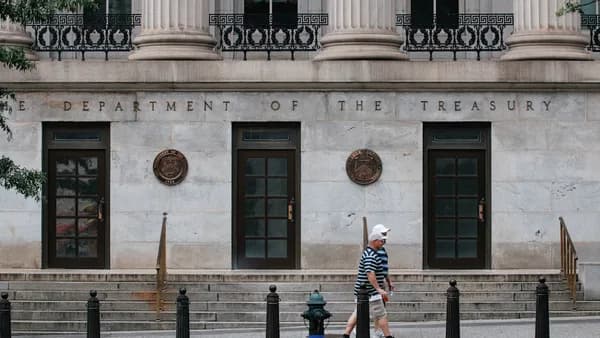
Iran’s efforts to squeeze global shipping through tolling have barely moved the needle on its economy, according to US Treasury Secretary Janet Yellen. Speaking on Thursday, Yellen said Iran’s ship tolling campaign has produced “limited gains,” undercutting fears that Tehran could weaponize Red Sea choke points to disrupt world trade or fund its own ambitions. The statement, coming as geopolitical tensions remain high in the Middle East, signals that attempts to extract revenue from commercial vessels have so far failed to rattle the global system or pad Iran’s coffers, according to CryptoBriefing.
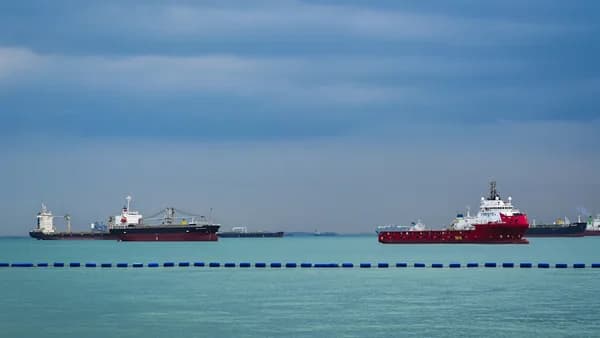
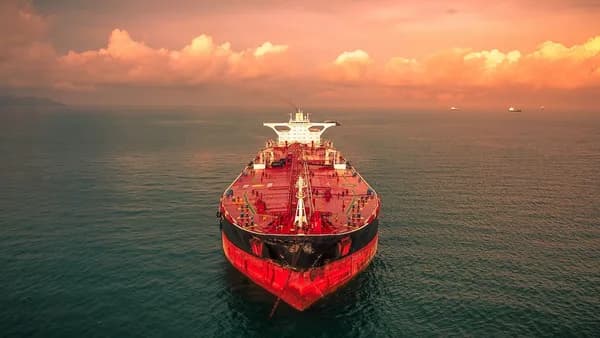
Iran began targeting ships with toll demands as part of a broader push to assert control over key maritime corridors, especially the Strait of Hormuz, through which about 20% of global oil passes. The tactic was expected to drive up insurance costs, disrupt trade flows, and pressure Western interests. Instead, Yellen’s assessment suggests these measures have delivered little real leverage. “Iran is not gaining much from these efforts,” she emphasized, reinforcing Washington’s message that sanctions and naval patrols are blunting Tehran’s economic weapons.
This isn’t the first time Iran has tried to flex its maritime muscle. Previous attempts to interfere with global shipping—like the 2019 tanker seizures—sparked volatility but ultimately failed to sustain economic pain for rivals. The latest numbers echo that pattern: while some foreign vessels have faced brief detentions or demands, global freight rates and oil prices remain steady.
Limited Economic Disruption from Iran’s Ship Tolling Maintains Global Market Stability
Iran’s muted haul from ship tolling efforts has kept global markets calm. Freight rates on major routes, including the Suez Canal and Persian Gulf, have held steady in recent weeks—Brent crude prices hovered around $80 per barrel as of Thursday, well below the $120 peaks seen during previous regional flare-ups. Insurers, always quick to adjust risk premiums, report only modest increases for ships transiting near Iranian waters.
The lack of market panic is no accident. Major shipping lines have quietly rerouted some vessels, but the volume of diverted traffic remains in the single digits percentage-wise compared to total flows. US and EU naval escorts have further reduced risk, with the US Fifth Fleet reporting a 15% drop in “security incidents” year-on-year. For exporters, that means no sudden spikes in shipping costs or delays, muting the potential knock-on effects for global supply chains.
Geopolitically, Iran’s limited gains undercut its ability to extract concessions or destabilize rivals. Gulf States, typically quick to voice concern, have kept their statements measured. China and India—two of the region’s biggest energy customers—continue to load oil from the Gulf without major adjustments to procurement plans. Markets seem to view Iran’s tolling tactics as more nuisance than existential threat, at least for now.
That restraint could shift fast if Tehran escalates. But so far, the numbers suggest the world’s energy and logistics arteries are holding—no rerun of the 1970s oil shocks or the 2021 Suez Canal blockage. Investors, for their part, are watching for escalation but haven’t priced in a major risk premium.
Future Outlook: Monitoring Iran’s Maritime Activities and Global Economic Risks
Iran’s next move remains the wild card. The regime could escalate by targeting more ships, raising tolls, or threatening to close the Strait of Hormuz outright—a scenario that would instantly spike oil prices and global insurance costs. But Yellen’s remarks suggest US intelligence sees no imminent shift on that front. Washington is keeping naval assets in the region and coordinating with EU partners to preempt any escalation.
For investors and corporates, the focus now shifts to two fronts. First, whether Iran shifts tactics by using state-backed hackers or proxies to target port infrastructure, rather than overt toll demands. Second, how US sanctions enforcement evolves if Iran tries to expand its maritime campaign. Previous rounds of sanctions have slashed Iran’s oil revenue by as much as 80%, and Washington has signaled it’s ready to tighten the screws again if needed.
Global supply chain managers and energy traders should keep an eye on shipping advisories, insurance rate moves, and any sudden changes in Gulf States’ export patterns. Any sign of Iran expanding its maritime playbook—or a major power responding with force—could shift the calculus overnight.
Longer-term, the episode reveals the limits of gray-zone economic tactics in a world with diversified supply chains and robust naval alliances. Iran’s ship tolling so far looks more like a headline risk than a systemic threat. But the margin for error is thin. Markets have learned to discount saber-rattling—until they can’t.
⚠️ Disclaimer: This article is for informational purposes only and does not constitute financial advice. Always do your own research before making investment decisions.
Impact Analysis
- Iran's ship tolling campaign has not significantly disrupted global shipping or oil markets.
- The limited economic gains signal that international sanctions and responses are effective at blunting Iran's leverage.
- Continued stability in freight rates and oil prices reassures global trade and energy security amidst ongoing Middle East tensions.