Why Intuitive Surgical’s Market Position Challenges Traditional Surgical Methods
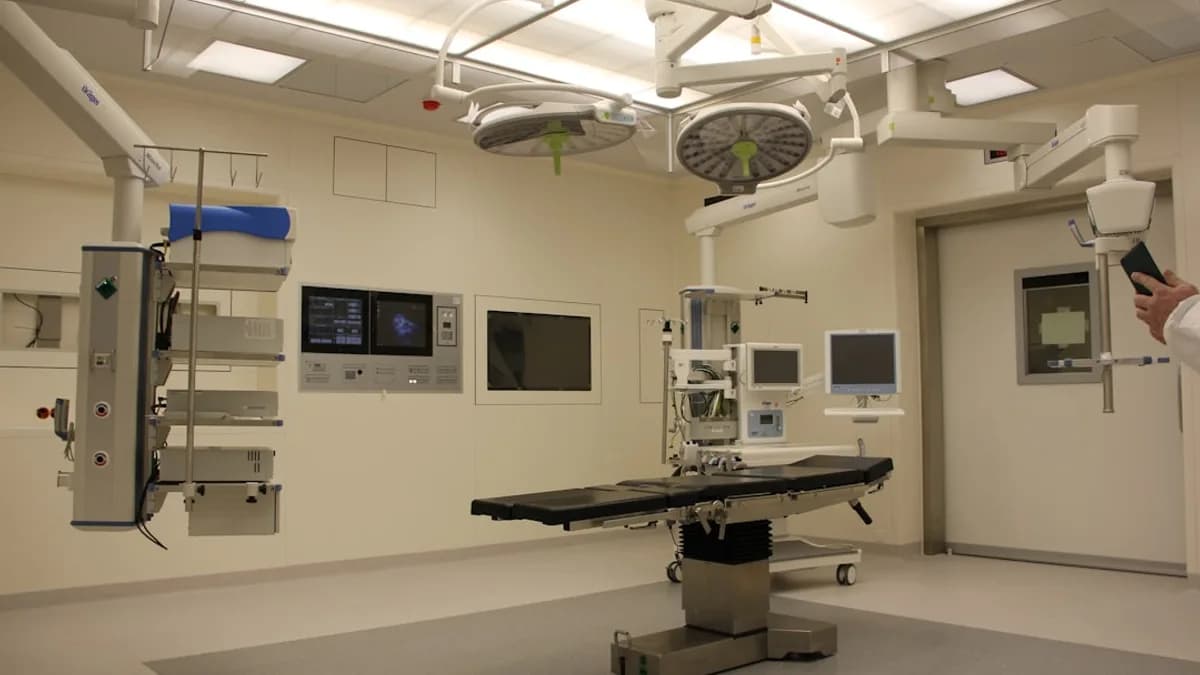
A single company dictates the pace and direction of robotic surgery: Intuitive Surgical. With its da Vinci system installed in over 7,500 hospitals worldwide, ISRG has transformed operating rooms from manual, muscle-driven theaters into data-rich, precision-controlled studios. Surgeons now steer robots through tiny incisions, reducing blood loss, shortening recovery times, and expanding the range of minimally invasive procedures. Hospitals betting on Intuitive aren’t just buying equipment—they’re restructuring workflows, retraining staff, and rewriting clinical protocols.
This dominance isn’t just about first-mover advantage. Intuitive’s lead is rooted in a web of patents, proprietary software, and rigorous FDA clearances. The cost and complexity of designing, manufacturing, and validating surgical robots create a moat wider than most medtech categories. New entrants must not only match da Vinci’s technical sophistication, but also navigate regulatory hurdles and convince hospitals to overhaul ingrained surgical routines. Even Medtronic’s Hugo system and J&J’s Ottava have struggled to gain meaningful traction, with limited installations and slower adoption curves.
The consequences ripple through healthcare: ISRG’s platform locks hospitals into recurring purchases of instruments and accessories, reshaping procurement budgets. It also sets a standard that competitors must chase with incremental innovation, not leapfrogging disruption. According to Yahoo Finance, ISRG’s grip on robotic surgery isn’t just a tech story—it’s a fundamental shift in how surgery is defined and delivered.
Intuitive Surgical’s Financial Performance: Key Metrics and Growth Indicators
Intuitive Surgical’s numbers don’t just reflect steady growth—they showcase a company milking both hardware and consumables for outsized returns. In Q1 2024, ISRG posted $1.89 billion in revenue, up 11% year-over-year. Net income hit $540 million, with operating margins above 27%, demonstrating enviable profitability for a capital-intensive medtech firm. Cash flow from operations reached $700 million, giving ISRG room for R&D and shareholder returns without borrowing.
The recurring revenue model is the real engine. While each da Vinci system costs $1.5-2 million up front, hospitals must buy disposable instruments and accessories for every procedure. In 2023, these consumables generated $3.1 billion, accounting for over 55% of total sales and growing at 13% annually. Procedure volumes climbed 14% globally, with urology, gynecology, and general surgery leading the charge. New installations added to the installed base, but the real story is surgeons using the robots more often, not just the expansion of the fleet.
Valuation is where the debate gets heated. ISRG trades at around 65x trailing earnings and 45x forward, far above Stryker (SYK) at 28x and Medtronic (MDT) at 16x. The price-to-sales ratio is near 17, vs. an industry median under 6. Bulls argue these multiples are justified by ISRG’s growth rates, margin profile, and market leadership. Bears counter that the premium bakes in flawless execution and little room for error. Historically, ISRG has traded at elevated multiples since 2017, but sustained double-digit growth has kept skeptics at bay.
Diverse Stakeholder Perspectives on Investing in Intuitive Surgical
Investors bullish on ISRG see a rare blend of innovation and market expansion. The company’s ability to drive adoption in both established and emerging markets is a magnet for growth-focused funds. They cite the scale of installed da Vinci systems and recurring consumables as a cash flow juggernaut. The FDA’s green light for more procedure types, plus next-gen platforms like the da Vinci SP, signal continued expansion. Some point to the company’s R&D pipeline—over $700 million spent in 2023—as evidence of future-proofing.
Skeptics fixate on valuation risk. At 65x earnings, ISRG is priced for perfection. Any slowdown in procedure growth, hospital budget tightening, or regulatory delay could trigger a sharp correction. The threat isn’t just competition—it’s payer pushback on reimbursement rates for robotic procedures, especially as evidence accumulates on clinical outcomes being similar to conventional surgery in some cases. Short interest remains low, but analysts warn that high expectations could leave ISRG vulnerable if headlines turn.
Healthcare professionals add nuance. Surgeons praise the ergonomic benefits and precision of robotic platforms, especially for complex cases. But some hospital administrators balk at the cost: initial acquisition plus annual service contracts and consumables. A 2023 survey found that 62% of US hospitals using da Vinci plan to expand robotic surgery, but only 48% of non-users intend to buy a system in the next two years. Clinical studies show reduced complications and faster recovery in some procedures, but not all—fueling debate on cost-effectiveness.
How Intuitive Surgical’s Evolution Compares to Past Medical Technology Innovators
Intuitive Surgical’s trajectory echoes that of medtech disruptors like Medtronic (pacemakers), GE Healthcare (imaging), and Edwards Lifesciences (heart valves). Each transformed clinical practice, but only after years of skepticism, regulatory wrangling, and adoption inertia. Medtronic’s pacemaker faced physician resistance and reimbursement hurdles for a decade before becoming standard. GE’s CT scanners were seen as expensive luxuries before data on outcomes justified the investment.
ISRG’s strategy aligns with the winning playbook: dominate a niche, expand indications, then scale globally. The company’s meticulous clinical data collection mirrors Medtronic’s approach in the 1970s, building a fortress of evidence to sway regulators and payers. Intuitive’s focus on training and support echoes GE’s early efforts to integrate imaging into hospital workflows, making adoption stickier.
The lesson: Medtech disruptors win by making their products indispensable, not just innovative. ISRG’s recurring revenue model and procedure expansion are textbook moves. But history warns that market dominance breeds regulatory scrutiny and price pressure. Just as Medicare cut imaging reimbursement in the 2000s, robotic surgery could face cost controls if clinical outcomes plateau or payer budgets tighten.
What Intuitive Surgical’s Stock Performance Signals for Investors and the Healthcare Industry
ISRG’s share price has been anything but dull. After peaking above $400 in 2021, the stock dipped below $200 during the pandemic’s elective surgery freeze, then rebounded to $400+ as procedure volumes snapped back. In 2024, ISRG trades around $420, up 18% year-to-date, outpacing the S&P 500 and most medtech peers. Market reactions to quarterly earnings are sharp: a 3% beat can spark a 10% rally, while a single miss triggers double-digit drops.
For investors, ISRG’s volatility underscores both its allure and its risk. The stock’s performance signals confidence in robotic surgery’s secular growth, but also the market’s sensitivity to procedure numbers and forward guidance. Portfolio managers use ISRG as a proxy for medtech innovation—owning it means betting on the future of surgery, not just device sales. But its outsized multiples mean it’s a high-beta play, not a defensive anchor.
Healthcare industry insiders see ISRG’s stock as a barometer for surgical standards. Rising share prices embolden hospital CFOs to invest in robots, while sharp drops can freeze capital budgets. The broader trend: as ISRG proves the viability of robotic platforms, rival companies scramble to launch their own systems, accelerating the shift from manual to automated surgery.
Forecasting Intuitive Surgical’s Growth: Opportunities and Challenges Ahead
Intuitive Surgical’s next act will be written in emerging markets and new product lines. China and India, with their vast patient populations and rising healthcare investment, are targets for da Vinci expansion. In Q1 2024, non-US revenue grew 17%, outpacing domestic sales. The company’s Ion platform for lung biopsies and future single-port and AI-enhanced systems could unlock new procedure types and hospital segments.
Regulatory and competitive hurdles remain. The FDA’s pace on new clearances is unpredictable, and payers are scrutinizing reimbursement rates for robotic procedures. If clinical data doesn’t show clear superiority for da Vinci over manual surgery in more cases, hospitals could slow adoption. Medtronic and J&J are ramping up rival platforms, but their rollout lags ISRG’s installed base and clinical track record.
Healthcare policy will shape the outcome. US and EU policymakers are pushing for value-based care, linking reimbursement to outcomes rather than technology. If robotic surgery fails to deliver cost savings or measurable improvements, ISRG’s market share could erode. But if Intuitive proves its platforms reduce complications and shorten hospital stays, it could ride a wave of policy-driven adoption.
My prediction: ISRG will sustain double-digit revenue growth for at least three years, driven by international expansion and new procedures. Margins may tighten as competition heats up and payers push back, but the company’s entrenched position gives it pricing power. Investors should expect volatility—any hiccup in adoption or regulatory news will hit the stock hard. But the surgical robot revolution is real, and Intuitive Surgical remains its most formidable architect.
⚠️ Disclaimer: This article is for informational purposes only and does not constitute financial advice. Always do your own research before making investment decisions.
The Bottom Line
- Intuitive Surgical’s dominance in robotic surgery is redefining healthcare workflows and standards.
- The company’s technological moat makes it difficult for competitors to challenge its market share.
- Hospitals are committing to recurring purchases, creating long-term revenue streams for ISRG.