Target Corporation (TGT) Stock Surges Amid Market Volatility
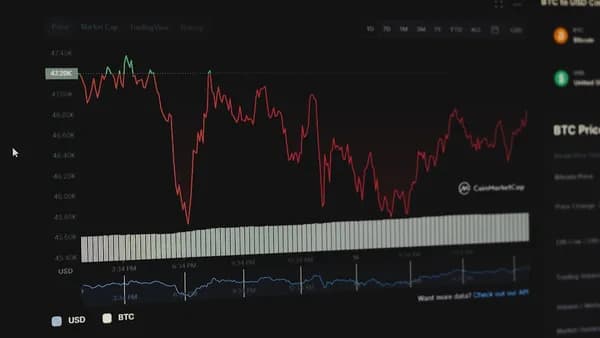
Target shares ripped higher, climbing over 7% in the past week while the S&P 500 wobbled. The retail giant’s stock closed at $150.61 on Friday, its highest level since January, with trading volume doubling its 30-day average. The rally followed an upbeat quarterly report and a rosier outlook for the rest of the year, shaking off a rocky spring for the consumer sector, according to Yahoo Finance.
Investors rotated back into big-box retailers after Target topped Wall Street’s earnings estimates and announced plans to boost store investments. Target’s management struck a confident tone, projecting low-single-digit comparable sales growth and reaffirming its dividend policy—a sharp contrast to Walmart’s more cautious guidance last month.
Analysts flagged the market’s relief after Target shook off supply chain headwinds and margin pressures that hammered the stock in 2022. Short interest dropped to 1.6% of the float, down from over 3% last fall, signaling investors see less risk of another earnings shock. In a retail sector still jittery over inflation and shifting consumer habits, Target’s surge stands out as a bet on recovery.
How Target’s Latest Financial Results and Strategic Moves Impact Its Investment Appeal
Target’s Q2 earnings delivered a clean beat: adjusted EPS landed at $2.18, up 14% year-over-year, and revenue edged up 2% to $26.4 billion. Margins expanded to 5.2%, reversing last year’s inventory glut. The company credited leaner inventories and tighter control of promotions for the bounce. Free cash flow rose to $1.7 billion, its strongest in six quarters.
Under CEO Brian Cornell, Target has doubled down on supply chain tech—rolling out regional distribution centers and predictive analytics to keep shelves stocked without overbuying. The retailer is also accelerating its “stores as hubs” model, channeling 97% of digital orders through local stores. These investments have started to pay off: digital sales grew 5% last quarter, outpacing Walmart and Dollar General, while same-day services like Drive Up and Order Pickup posted double-digit gains.
But risks remain. Target walks a tightrope between keeping prices low enough to retain cash-strapped shoppers and protecting its margins. U.S. retail sales growth is slowing, and foot traffic at big-box stores is down 3% year-to-date. Inflation in categories like food and essential goods remains sticky, threatening discretionary spending. Target’s exposure to middle-income consumers, who are most sensitive to price hikes, could become a headache if student loan repayments or energy costs spike in the back half of the year.
The competition isn’t standing still. Walmart’s grocery business keeps gaining share, while Amazon’s Prime Day and same-day delivery are setting the pace for e-commerce. Target’s private label brands (Good & Gather, Cat & Jack, Threshold) have built loyalty, but the company can’t afford any missteps on pricing or product curation.
On the upside, Target’s 3.0% dividend yield looks sturdy, with management reiterating plans for annual increases. Most analysts see moderate upside: JPMorgan raised its price target to $170, betting on steady cash flow and improved inventory discipline. Still, only 11 of 30 analysts rate Target a “Buy”—most are in wait-and-see mode, wary of consumer spending risks and the company’s still-high valuation at 18x forward earnings.
What Investors Should Watch Next for Target Stock Performance
The next big test lands with Target’s Q3 results, slated for mid-August. Consensus estimates call for EPS of $2.09 and flat year-over-year sales—any upside surprise could squeeze short sellers and extend the rally. Investors are also eyeing updated guidance for the critical holiday season, when roughly 30% of annual profits are on the line. Early data on back-to-school shopping, inflation, and credit card delinquencies will shape expectations.
Technical analysts say a sustained close above $152 could trigger a breakout toward the $170-175 zone. But with the stock already up more than 30% from its October lows, momentum could stall if macro headwinds flare up. Watch the $142 support level—any decisive break below could bring fast-moving sellers back in.
Macro catalysts matter. A dovish Fed, cooling inflation, or a strong jobs report could keep the consumer trade alive. On the flip side, weak retail sales data or fresh discounting waves would hit sentiment quickly. Regulatory noise around credit card fees or labor costs is worth tracking, though Target’s lobbying muscle has kept it out of the direct crosshairs.
Bottom line: Target’s bounce has room to run if execution stays tight and the consumer doesn’t crack. New buyers should size positions carefully, use stop-losses around recent support, and watch for confirmation in upcoming earnings before chasing the rally further.
⚠️ Disclaimer: This article is for informational purposes only and does not constitute financial advice. Always do your own research before making investment decisions.
The Bottom Line
- Target’s strong Q2 results and upbeat guidance suggest improved fundamentals amid sector volatility.
- Investors are signaling renewed confidence, as short interest drops and trading volume surges.
- Target’s strategic supply chain upgrades could position it ahead of competitors in the retail recovery.