Introduction: Overview of the IMF’s Warning on Middle East Conflict
The International Monetary Fund (IMF) has sounded a stark warning: the ongoing war in the Middle East is set to significantly slow global economic growth. In its latest economic update, the IMF slashed its forecast for worldwide expansion, highlighting how the conflict has halted much of the momentum seen in the post-pandemic recovery. The deepening crisis in the region, particularly with fears of escalation involving Iran, is rapidly reshaping the economic outlook for 2024 and beyond [Source: Source].
This warning comes at a critical juncture for policymakers and global markets, already grappling with inflation, high interest rates, and sluggish growth in several major economies. The IMF’s assessment underscores the far-reaching effects of geopolitical instability, which now threatens to trigger broader financial volatility and disrupt trade and energy supplies essential to the world economy. As the situation unfolds, the IMF’s guidance will be pivotal for governments, investors, and international institutions seeking to navigate mounting economic risks.
Economic Channels Through Which the Middle East War Affects Global Growth
The war in the Middle East impacts the global economy through multiple interconnected channels, with energy markets at the epicenter. The region is a critical supplier of oil and natural gas; any conflict-induced disruption can quickly ripple through international energy prices. Recent escalations have already sparked volatility in oil markets, driving up prices and fueling inflation worldwide [Source: Source]. Higher energy costs raise transportation and production expenses, squeezing consumers and businesses alike, and dampening economic activity across continents.
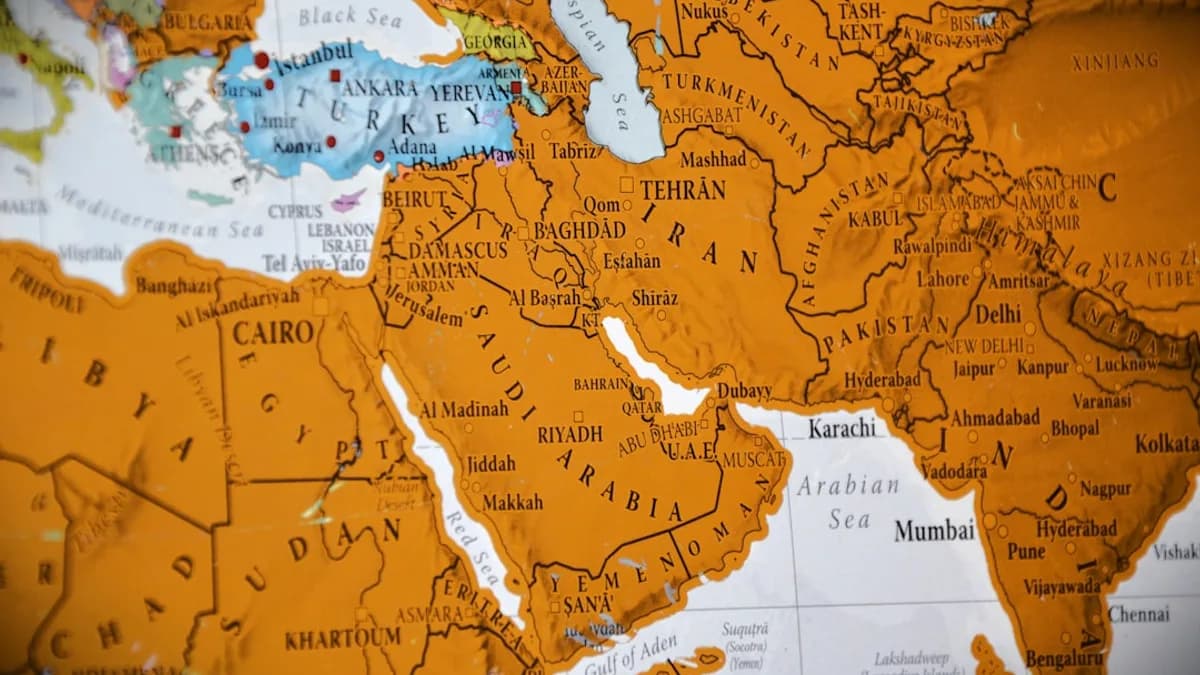
Global trade routes are also under threat. The Middle East sits astride key maritime chokepoints, such as the Strait of Hormuz and the Suez Canal. Hostilities or blockades in these corridors can delay shipments, raise insurance costs, and derail supply chains—especially for energy and raw materials. This adds further strain to a global trading system still recovering from the shocks of the pandemic and the war in Ukraine.
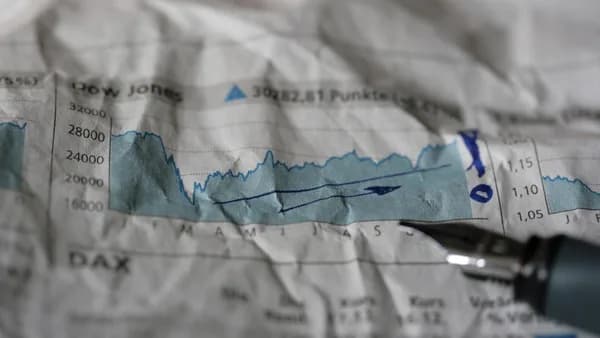
Geopolitical uncertainty has a pronounced effect on investor sentiment and financial markets. Episodes of conflict typically prompt a flight to safety, with investors pulling back from riskier assets and seeking refuge in gold, U.S. Treasuries, or other safe havens. This can lead to sharp declines in stock markets, increased borrowing costs, and tighter financial conditions, further slowing investment and growth [Source: Source].
Additionally, the imposition of sanctions and financial restrictions on parties to the conflict can exacerbate economic disruption. Sanctions on energy exports, for example, shrink supply and push prices higher, while restrictions on banking or trade can isolate economies, reduce investment, and limit access to critical goods and services. Together, these mechanisms amplify the economic fallout well beyond the immediate theater of war, impacting economies large and small.
Regional and Global Economic Implications
The direct participants and neighboring countries in the Middle East face the most immediate economic risks. Conflict zones experience infrastructure destruction, currency devaluation, capital flight, and severe disruptions to daily life and commerce. Nations that rely on conflict-affected trade routes or energy supplies, such as Egypt or Lebanon, are also highly vulnerable to secondary shocks [Source: Source].
The IMF’s analysis singles out the United Kingdom as particularly exposed among major developed economies. The UK, heavily dependent on imported energy and already wrestling with high inflation and low growth, stands to suffer the largest relative hit to its GDP should the Middle East crisis escalate further. Energy-intensive industries, household budgets, and public finances could all come under renewed pressure [Source: Source].
Emerging markets and developing economies that depend on affordable Middle Eastern energy exports are likewise at risk. Many of these nations have limited fiscal capacity to absorb price shocks, making them susceptible to balance-of-payments crises, rising poverty, and social unrest. For oil-importing countries in Africa and South Asia, surging fuel costs could undo years of development gains and exacerbate food insecurity.
Perhaps most alarmingly, the IMF and other institutions now warn that a major escalation—such as a direct confrontation involving Iran—could tip the world into a global recession. With the global economy already on fragile footing, a further surge in energy prices and financial volatility could push growth into negative territory, affecting employment, investment, and living standards on a worldwide scale [Source: Source].
Policy Responses and Mitigation Strategies
Governments and central banks have several tools at their disposal to buffer their economies from the shocks unleashed by the Middle East war. On the fiscal side, targeted subsidies or direct support to vulnerable households can help offset rising energy and food prices. Temporary tax relief for affected sectors, as well as increased social spending, can cushion the blow to consumers and businesses. However, such measures must be balanced against the need to contain public debt and prevent inflation from spiraling further [Source: Source].
Monetary policy presents a more complicated challenge. Central banks may be forced to weigh the risks of tightening policy to combat inflation against the dangers of stifling growth. In some cases, temporary interventions in currency or bond markets may be warranted to stabilize financial conditions and reassure investors.
International cooperation will be crucial in managing the fallout. Institutions like the IMF and World Bank play a vital role in providing emergency financing, technical assistance, and policy guidance to countries under stress. Coordinated action among major economies—such as jointly releasing strategic oil reserves or harmonizing sanctions—can help smooth market volatility and ensure a more orderly adjustment.
In the longer term, diversifying energy sources and investing in renewable infrastructure are key strategies to reduce reliance on Middle Eastern oil and gas. Strategic reserves, both in energy and critical commodities, provide an important buffer against supply shocks. Crucially, diplomatic efforts to de-escalate the conflict remain the most effective means of restoring confidence and stability. A durable peace would not only benefit the region but also relieve pressure on the global economy and reduce the risk of systemic crises [Source: Source].
Conclusion: Long-Term Outlook and Lessons Learned
The IMF’s downgraded growth forecasts highlight the acute economic vulnerabilities exposed by the Middle East war. From surging energy prices to rising market volatility and the risk of recession, the conflict’s repercussions are being felt across advanced, emerging, and developing economies alike. The episode underscores the fundamental importance of geopolitical stability for sustained global growth and prosperity [Source: Source].
Building economic resilience will require not only prudent fiscal and monetary policies, but also more diversified energy strategies and renewed commitments to international cooperation. As the situation in the Middle East continues to evolve, policymakers and markets will need to remain vigilant, adaptable, and prepared for further shocks. Continued monitoring and proactive diplomacy are essential to mitigating risks and ensuring a more stable global economic future.
⚠️ Disclaimer: This article is for informational purposes only and does not constitute financial advice. Always do your own research before making investment decisions.