Introduction: Druzhba Pipeline Resumption Unlocks Major EU Loan for Ukraine
Russian oil is flowing again to Europe through the Druzhba pipeline, ending months of stoppage and unlocking a massive €90 billion loan for Ukraine. The pipeline’s restart broke a deadlock in the European Union, which needed Hungary’s approval to send the funds to Kyiv. Hungary had stalled the deal, worried about energy supplies and pushing for more pipeline access. Now, with oil coming through Druzhba, Budapest dropped its objections, clearing the way for Ukraine to get much-needed money to support its economy and defend against Russia [Source: Google News]. The move changes the balance for both energy and financial support in the region, giving Ukraine a lifeline as fighting continues.
Details of the Druzhba Pipeline Restart and Its Impact on European Oil Supply
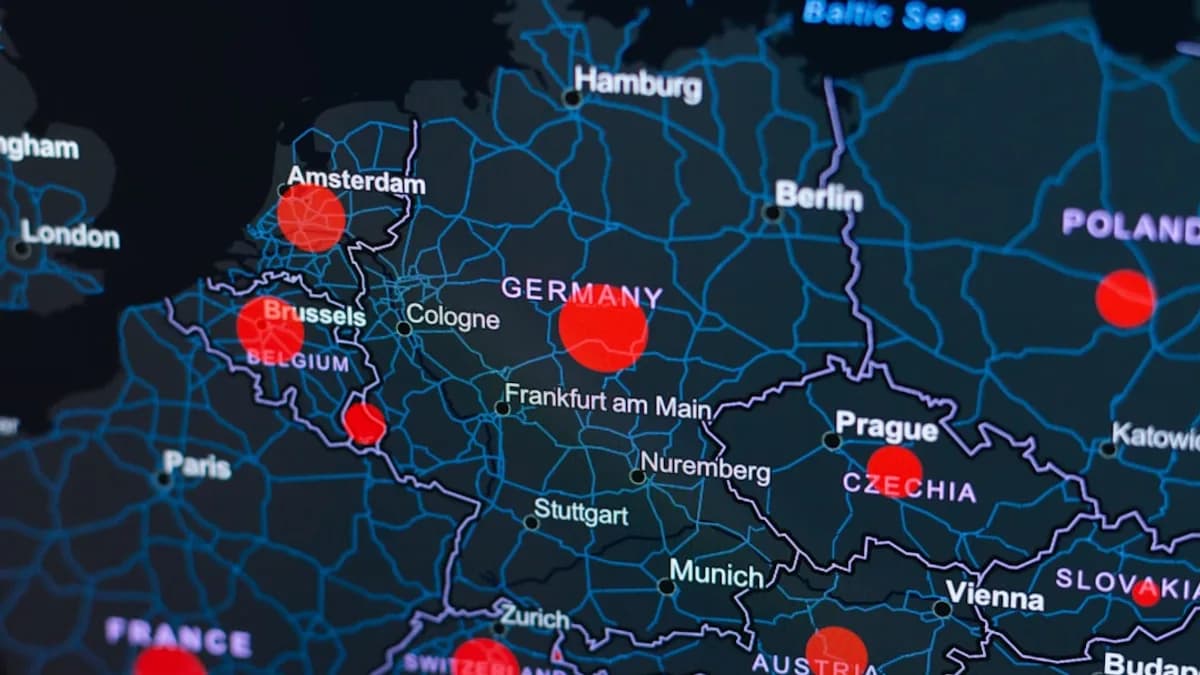
The Druzhba pipeline is one of the world’s biggest oil lines, built during the Soviet era. It stretches thousands of miles from Russia, crossing Ukraine, Belarus, and into several EU countries, including Hungary, Slovakia, and Germany. For decades, Druzhba has been a main route for Russian oil to Europe, supplying about 1 million barrels per day at its peak.
The line was shut down earlier this year due to disputes over payments and political tensions. Some EU countries worried about relying on Russian energy as the war in Ukraine dragged on. Others, like Hungary, depend heavily on Druzhba oil to keep their refineries running.
Restarting the pipeline calmed fears of shortages. Traders saw prices steady, and energy markets became less jittery. Hungary and Slovakia, who get most of their oil through Druzhba, now feel more secure about their energy needs. The pipeline’s restart also sends a signal that, for now, Russia and Europe can still work together on energy, even as they clash over Ukraine.
But the pipeline is more than a tube for oil. It’s a bargaining chip. Russia can cut flows if it wants to pressure the EU. The EU can threaten sanctions if it wants to punish Moscow. This time, the restart helped break a standoff—Hungary wanted oil, Ukraine needed money, and the EU needed everyone to agree [Source: Google News]. The deal shows how energy and politics are tied together in Europe.
EU’s €90 Billion Loan to Ukraine: Terms, Purpose, and Political Context
The EU agreed to send Ukraine a loan worth about €90 billion (roughly $105 billion). This is one of the biggest financial aid packages in Europe’s history. The money will help Ukraine pay for weapons, salaries, social programs, and rebuilding damage from the war.
Most of the loan comes as low-interest cash, meaning Ukraine will pay it back slowly over many years. Some parts of the package are grants, which Ukraine doesn’t have to repay. The funds are split into pieces, so Ukraine gets money in stages as it meets certain reforms and spending rules. EU leaders say the loan is meant to keep Ukraine afloat—not just in battle, but also as a country. Without it, Kyiv would struggle to pay teachers, doctors, and soldiers.
Getting the loan approved was tough. Hungary blocked the package for months, arguing that sanctions and aid to Ukraine hurt its own economy. Budapest also wanted more help to secure its energy needs and tried to tie its support for Ukraine to getting more oil through Druzhba.
EU countries had to negotiate hard. Germany, France, and Poland pushed for the loan, saying Europe’s security depends on Ukraine staying strong. Hungary said it wouldn’t agree unless its concerns were addressed. After days of talks—and Druzhba’s restart—Hungary finally agreed.
The loan is part of a bigger EU strategy. The bloc has sent billions to Ukraine since the war started, including military gear, humanitarian aid, and recovery funds. By approving this new package, the EU signals it will stick with Ukraine for the long haul [Source: Google News]. The move also shows the EU can act together, even when member states disagree.
Hungary’s Role in the Loan Approval: From Opposition to Agreement
Hungary was the last holdout on the EU’s loan to Ukraine. Prime Minister Viktor Orbán argued that sending so much money to Kyiv would hurt Hungary’s economy and energy security. Budapest relies on Russian oil from Druzhba, and feared EU sanctions might disrupt supplies.
Hungary also asked for guarantees that its oil flows would not be cut, and wanted more say in EU decisions about Ukraine. These demands stalled the loan for months. EU leaders tried to convince Hungary, but talks dragged on, and tempers flared.
The breakthrough came when Druzhba oil started flowing again. With energy supplies secure, Hungary dropped its opposition and backed the loan. Officials in Budapest said their concerns were addressed, and that Hungary would now support EU unity. EU leaders welcomed the decision, calling it a sign of solidarity.
Hungary’s move is important. It shows that energy can sway political decisions in Europe. It also highlights how single countries can block big EU plans, but can be brought on board with negotiation and compromise. The deal may pave the way for more coordinated action in the future, but could also set a precedent for countries to demand concessions in exchange for their support [Source: Google News].
Broader Implications: Energy Security, EU-Ukraine Relations, and Geopolitical Dynamics
The restart of the Druzhba pipeline and approval of the loan help Europe in several ways. First, they strengthen energy security. With Russian oil coming through Druzhba, countries like Hungary and Slovakia can keep their economies steady. This cuts the risk of sudden shortages or price spikes, which hurt families and businesses.
Second, the EU’s financial support shows it is serious about backing Ukraine. The loan gives Kyiv resources to fight, rebuild, and pay for basic needs. For Ukraine, that means a stronger position in the war and less risk of collapse.
Third, the deal changes the balance between the EU and Russia. By linking energy flows to financial aid, both sides show they are willing to make deals, even as they argue over bigger issues like sanctions and the war. But this also means the EU is still tied to Russian energy—a weak spot if relations get worse.
The package affects the EU’s unity. Hungary’s shift from blocking the loan to backing it shows how much energy matters in European politics. If other countries see that holding out can win them concessions, future deals may become harder. But for now, the bloc has shown it can act together when it counts.
Long-term, the pipeline and loan shape Eastern Europe’s future. If Ukraine stays strong and the EU keeps helping, Russia’s influence may shrink. But if energy deals become unstable, or EU unity cracks, Moscow could regain leverage. The next months will test whether Europe can keep oil flowing and support Ukraine while managing tough relations with Russia [Source: Google News].
Conclusion: What the Druzhba Pipeline Restart and EU Loan Mean for the Future
Oil is moving, money is heading to Kyiv, and Europe has found a way to act together—for now. The restart of the Druzhba pipeline solved an energy puzzle and unlocked one of the biggest loans ever sent to Ukraine. Hungary’s decision to back the deal shows how energy and politics are tied, and how the EU can sometimes overcome differences.
For Ukraine, the loan is a lifeline that will help it survive and fight. For the EU, the move is a sign of unity, but also a reminder that energy and politics are still deeply linked. The challenge ahead is to keep both oil and support flowing, while making sure Europe stays strong and safe. As winter approaches and the war drags on, leaders will need to balance energy needs, financial aid, and tough talks with Russia. Readers should watch how these deals shape the region’s future—because the next steps may be just as tricky as today’s breakthrough.
⚠️ Disclaimer: This article is for informational purposes only and does not constitute financial advice. Always do your own research before making investment decisions.
Why It Matters
- The pipeline’s restart unblocked a critical €90 billion EU loan for Ukraine, supporting its war effort and economy.
- Resuming oil flows stabilizes energy supplies for Hungary and Slovakia, reducing fears of shortages.
- The move highlights how energy infrastructure remains a powerful bargaining tool amid the Russia-Ukraine conflict.