


Introduction: Market Volatility Amid Rising Strait of Hormuz Tensions
As the sun rises on Wall Street, investors are waking up to a perfect storm of geopolitical tension and market volatility. Dow futures slipped more than 350 points overnight, while oil prices surged, both moves echoing deep anxieties over escalating conflict in the Strait of Hormuz—a narrow but vital artery through which roughly a fifth of the world’s oil supply flows daily [Source: Source]. With Iran issuing fresh threats, the global financial ecosystem is bracing for impact. This is not just another dip in the market; it’s a stark reminder that in an interconnected world, a single chokepoint can rattle economies far beyond its shores. For traders, policymakers, and everyday investors alike, the Strait of Hormuz is suddenly ground zero for risk.
Dow Futures Decline as Investors React to Middle East Unrest
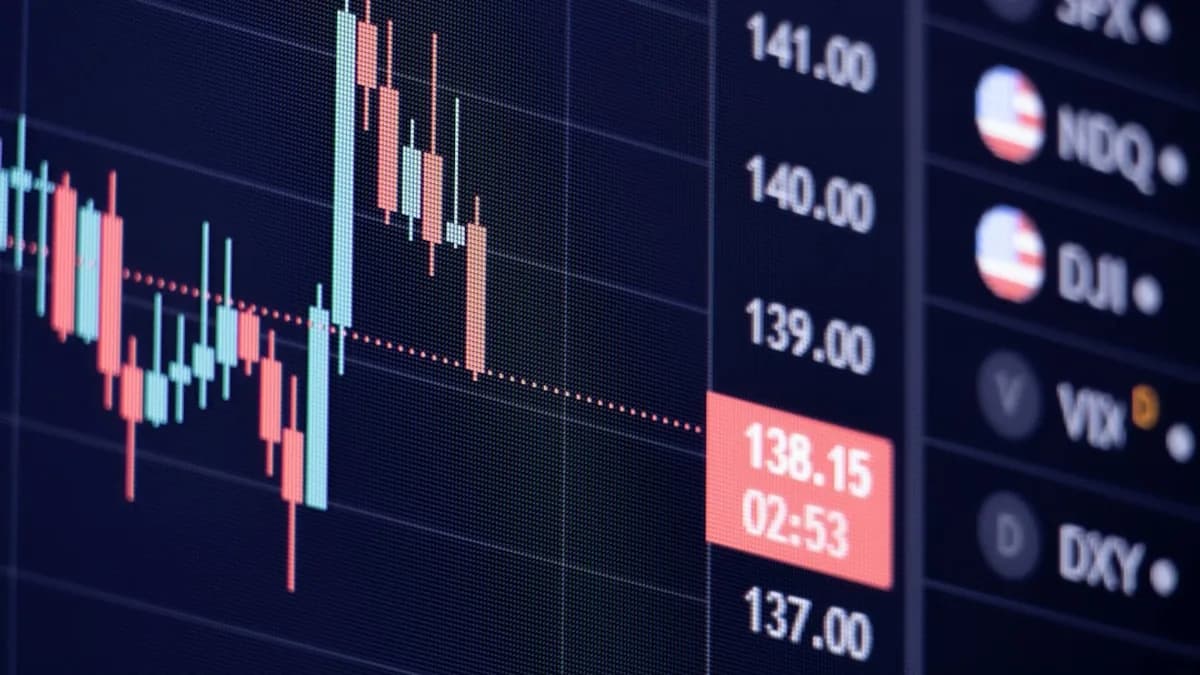
Overnight, Dow Jones Industrial Average futures tumbled by more than 350 points, signaling a rough open for U.S. equities [Source: Source]. This sharp decline reflects a broader risk-off sentiment that has gripped global markets in the wake of intensifying military posturing around the Strait of Hormuz. Investors are moving swiftly to shed exposure to sectors most vulnerable to geopolitical shocks—think airlines, travel, and industrials, all of which face higher input costs and operational uncertainties when oil prices spike or shipping lanes are disrupted.
Historically, market corrections triggered by geopolitical crises tend to be sudden and severe, but often short-lived—unless the crisis escalates into a protracted conflict. In this case, the threat of direct confrontation between Iran and Western naval forces has raised fears of not just a temporary supply glitch, but a sustained period of volatility. Traders are also watching for potential spillover into technology and consumer stocks, which could suffer if broader economic confidence falters.
As the trading day unfolds, all eyes will be on how the S&P 500 and Nasdaq respond to the opening bell. The performance of energy and defense sectors, in particular, could serve as a bellwether for broader market sentiment. If history is any guide, these moments of heightened geopolitical stress often drive a rotation out of growth stocks and into so-called “safe havens”—utilities, gold, and even cash.
Oil Prices Surge Amid Heightened Risk in the Strait of Hormuz
With the specter of military conflict looming, oil prices have surged sharply, with Brent crude and West Texas Intermediate (WTI) both posting gains of over 3% in early trading [Source: Source]. The Strait of Hormuz is the world’s most critical oil chokepoint, funnelling almost 21 million barrels per day—about 20% of global consumption—through its narrow waters. Any disruption here reverberates instantly across global supply chains, driving up prices and amplifying inflationary pressures worldwide.
For oil traders, the calculus is brutally simple: increased risk of shipping disruptions translates immediately into higher premiums and more aggressive hedging. We’ve seen similar dynamics during past Middle East crises—the 1980s Iran-Iraq War, the 2019 tanker attacks, and periodic U.S.-Iran standoffs. Each time, even rumors of conflict were enough to trigger price spikes and panic buying among refiners and importers.
The current surge is especially pronounced because inventories in many major economies remain below historical averages, and OPEC+ production cuts have left global markets less cushioned against shocks. If hostilities escalate, analysts warn that oil prices could test multi-year highs, further complicating efforts by central banks to tame inflation. For consumers, that could mean higher fuel and transportation costs in the weeks ahead.
Geopolitical Context: Escalation of Iranian Threats and Regional Security
The immediate catalyst for market turmoil is a series of stark warnings from Iran, which has vowed to use “disabling fire” against any vessels it perceives as hostile in the Strait of Hormuz [Source: Source]. These threats come amid reports of increased military activity in the region, with both Iranian and Western naval forces ramping up their presence. The rhetoric is reminiscent of past flashpoints, but the stakes are arguably higher now, given the fragile state of global energy markets and the broader context of U.S.-Iran tensions.
Historically, the Strait of Hormuz has been a focus of military brinksmanship. In 1988, the U.S. Navy engaged Iranian forces in Operation Praying Mantis, briefly disrupting oil shipments and sending shockwaves through energy markets. More recently, incidents like the 2019 attacks on oil tankers and the downing of drones have underscored just how quickly a localized incident can spiral into a wider crisis.
The current situation is further complicated by Iran’s strategic calculus. Facing economic sanctions and domestic unrest, the country’s leadership may see confrontation as a way to project strength—and extract concessions from the West. For their part, U.S. and allied forces are signaling a willingness to protect commercial shipping “by any means necessary,” raising the risk of accidental clashes.
For the global shipping industry, this is a nightmare scenario. Insurers are already hiking premiums for vessels transiting the region, while some operators are considering rerouting or delaying shipments. Any actual closure or significant disruption of the Strait would not only spike oil prices, but also scramble supply chains for goods ranging from electronics to food, given the region’s role as a logistics hub.
Energy security experts warn that even absent full-scale conflict, the mere threat of escalation is enough to inject sustained uncertainty into global energy markets. This, in turn, raises the specter of stagflation—a toxic mix of slowing growth and rising prices—that policymakers have struggled to contain in the past.
Broader Market Implications and Economic Indicators to Watch
The immediate market reaction to the Strait of Hormuz crisis is only the beginning. Investors are now assessing how prolonged tensions might affect broader economic stability. Historically, geopolitical shocks lead to heightened volatility and reduced risk appetite, especially among global investors wary of a domino effect across emerging markets and commodity-dependent economies.
Attention is also turning to upcoming U.S. retail sales data, a key economic indicator that could shape market sentiment in the days ahead [Source: Source]. Strong consumer spending would suggest resilience in the face of external shocks, potentially blunting the impact of higher oil prices. Conversely, a disappointing print could amplify fears of stagflation, triggering further equity outflows.
Should the crisis escalate, markets could see a repeat of previous risk-off episodes: investors flocking to U.S. Treasuries, gold, and defensive equities, while shunning riskier assets. Yet, there is also precedent for swift recoveries—once immediate threats subside, markets often rebound as quickly as they fell. Much will depend on the next moves by both Iranian and Western leaders.
For now, market participants should brace for more volatility. Key scenarios to monitor include: a negotiated de-escalation, ongoing low-level skirmishes, or, in the worst case, a major conflict that disrupts global oil flows for an extended period.
Conclusion: Navigating Market Uncertainty During Geopolitical Turmoil
Today’s market turbulence is a sobering reminder of how geopolitical flashpoints can upend even the most carefully crafted investment strategies. Dow futures are sliding and oil is climbing, all under the shadow of a potential crisis in the Strait of Hormuz [Source: Source]. For investors, the imperative is clear: remain agile, monitor developments closely, and maintain adequate diversification to weather further shocks.
While history suggests that markets can recover swiftly from short-term geopolitical scares, the unique importance of the Strait of Hormuz means this episode could have longer-lasting implications—especially if oil prices remain elevated and supply chains are disrupted. As always, vigilance and flexibility are the watchwords for navigating such uncertain terrain.
Looking ahead, the situation remains highly fluid. Investors would be wise to keep a close eye on both geopolitical developments and key economic data. In times like these, preparation, not prediction, is the best defense.
⚠️ Disclaimer: This article is for informational purposes only and does not constitute financial advice. Always do your own research before making investment decisions.