Introduction: Understanding the Impact of Iran-US Tensions on Dow Futures
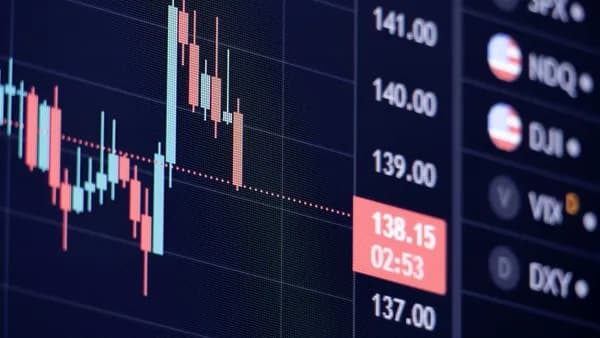
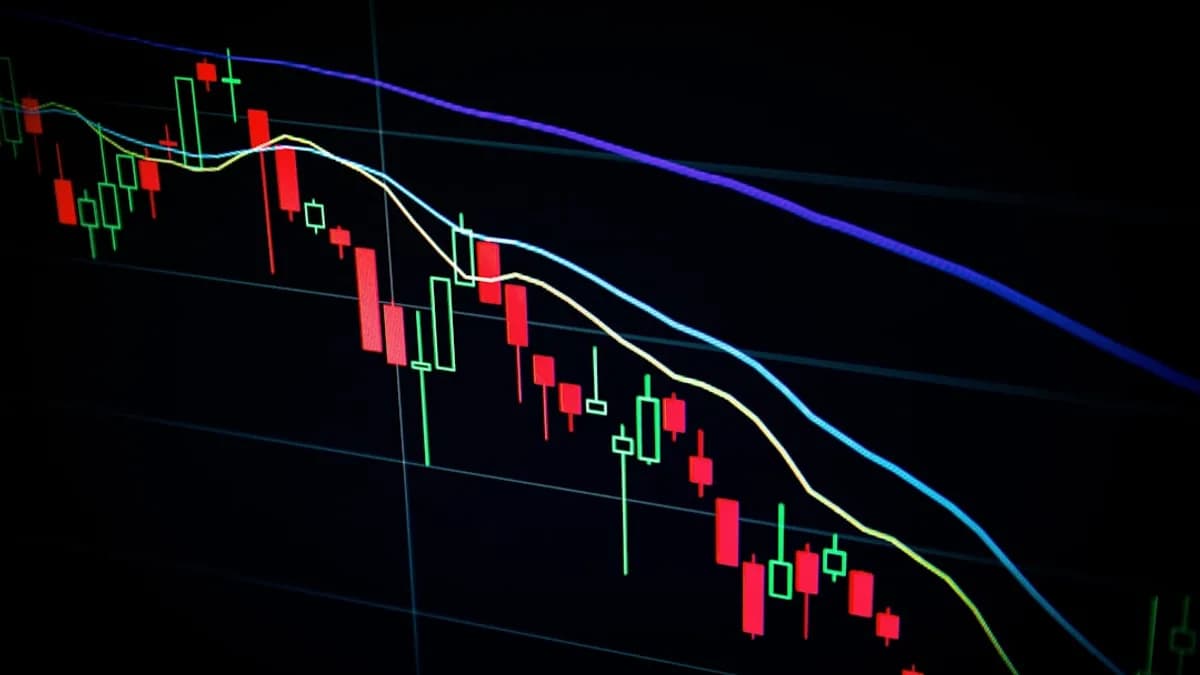
As headlines blare about the latest flare-up between Iran and the United States, investors are watching their screens with a sense of déjà vu—and urgency. Dow futures plunged over 350 points overnight as fears of a deeper conflict around the Strait of Hormuz rattled global markets [Source: Source]. This isn't just noise on the geopolitical stage; it's a real-time stress test for the financial system. For seasoned investors and newcomers alike, these sharp market tremors are more than just numbers—they're signals about the interconnectedness of geopolitics and finance.
Dow futures are often the first alarm bell for Wall Street, providing a preview of how the market will open. When they swing sharply, it reflects the collective anxiety or optimism of global investors. In times of escalating Middle East tensions, especially those threatening vital oil shipping lanes, these futures can become a critical weather vane. Understanding why and how these moments matter is essential for anyone with skin in the game.
How to Monitor Geopolitical Risks Affecting Stock Market Futures
The first step to navigating markets in crisis is to build a robust information pipeline. Geopolitical events unfold rapidly, and being even a few hours behind can make the difference between loss and opportunity. Start by identifying reliable, real-time news sources. Major financial news outlets like CNBC, Bloomberg, Yahoo Finance, and Reuters offer dedicated live updates and analysis during global flashpoints [Source: Source]. Additionally, monitoring official government statements—such as Pentagon briefings, White House press conferences, or foreign ministry announcements—can provide early context and clues about escalation or de-escalation.
For professional and retail investors alike, financial market platforms such as Bloomberg Terminal, FactSet, and TradingView deliver not only price data but also breaking news alerts tied directly to market movements. Many online brokerages now integrate news feeds and customizable alerts, allowing you to track specific indices, sectors, or commodities—such as the Dow, S&P 500, and crude oil—most sensitive to geopolitical shocks.
Key geopolitical hotspots, like the Strait of Hormuz, demand extra attention. Roughly a fifth of the world’s oil passes through this narrow waterway, making it a perennial flashpoint. Historically, incidents from the Iran-Iraq War in the 1980s (the so-called “Tanker War”) to more recent U.S.-Iran naval skirmishes have triggered oil price spikes and sent global equities tumbling. Knowing which regions and events have outsized impact can help you prioritize your monitoring and stay one step ahead of the herd.
How to Analyze the Impact of Iran-US Conflict on Oil Prices and Market Sentiment
Middle East tensions and oil prices are joined at the hip. When conflict looms over the Strait of Hormuz, traders immediately price in the risk of disrupted oil supply. That’s why, as Dow futures dropped, oil prices surged in tandem [Source: Source]. Every dollar increase in crude ripples across the economy, squeezing transportation, manufacturing, and consumer sectors.
For investors, the impact is sector-specific. Energy companies—oil producers and service firms—often rally as oil prices spike. Airlines, cruise lines, and logistics firms, by contrast, may suffer as fuel costs soar. Within the S&P 500 and Nasdaq, tech and consumer discretionary stocks can also take a hit, as higher energy prices threaten profit margins and dampen consumer spending.
Analyzing market reactions requires both technical and fundamental perspectives. On the technical side, look for sudden volume spikes, price gaps, and volatility indexes (such as the VIX) leaping higher—signs of panic or fast repositioning. Fundamental analysis means evaluating how lasting the disruption might be; is this a brief skirmish or the start of a wider war? Assess company earnings calls and management commentary for clues about real-world impact and preparedness. History shows that while markets often overreact initially, the most significant, lasting moves come if supply chains or energy flows are genuinely threatened.
How to Adjust Your Investment Strategy Amid Rising Market Volatility
When the ground shakes, portfolio construction matters. The core of risk management during geopolitical crises is diversification. Avoid concentrating bets on sectors or regions most exposed to the flashpoint—in this case, companies heavily reliant on stable oil prices or uninterrupted Middle East trade routes.
Consider shifting emphasis toward defensive stocks and sectors. Utilities, healthcare, and consumer staples historically show resilience when volatility spikes, as their products remain in demand regardless of global shocks. Dividend aristocrats—companies with long records of stable payouts—can provide ballast for a portfolio buffeted by external events.
Hedging is another vital tool. Options strategies, such as buying protective puts on broad indices or sectors, can limit downside without forcing you out of long-term positions. Inverse ETFs, which rise as markets fall, offer a way to profit—or at least mitigate pain—during sharp selloffs. However, these instruments require careful handling and a clear understanding of associated risks and costs.
Maintaining liquidity is crucial. In times of market stress, cash isn’t just a drag on returns—it’s dry powder. It allows you to buy into oversold assets or reposition quickly as the situation evolves. The financially nimble are often best positioned to seize undervalued opportunities when panic recedes.
How to Stay Emotionally Resilient and Make Rational Decisions During Market Turmoil
Market shocks triggered by geopolitical crises often test not just financial strategies but emotional fortitude. Panic selling is a common pitfall—when headlines scream “market crash,” it’s tempting to hit the exit button. Yet history teaches that discipline pays. Investors who stuck to their plans during the 2019 U.S.-Iran standoff, the 2014 Crimea crisis, or even the initial COVID-19 selloff generally fared better over the long haul than those who sold in a frenzy.
Develop a clear investment plan with predefined risk tolerance and exit strategies. This framework provides guardrails against emotional decisions. Lean on expert analysis from trusted sources, and be wary of social media rumors or sensationalist coverage that can distort perception and trigger overreactions.
Above all, practice patience. Geopolitical volatility tends to produce wild short-term swings, but markets often recover once the fog of uncertainty lifts. Long-term thinking and a focus on fundamentals can help you ride out the storm.
Conclusion: Proactive Steps to Navigate Market Uncertainty Amid Iran-US Tensions
The latest Iran-US tensions and the resulting drop in Dow futures are a stark reminder: global markets are as vulnerable to politics as they are to economics. By building a robust information ecosystem, analyzing the specific market impacts of geopolitical crises, and adjusting investment strategies with diversification and hedging, investors can weather even the most turbulent events [Source: Source].
Staying informed and flexible is not just wise—it’s essential. Those who remain calm, lean on credible sources, and resist knee-jerk reactions will be best positioned to safeguard their portfolios and capitalize on sudden dislocations. As the world grows more interconnected and unpredictable, these skills are no longer optional—they’re the price of admission for successful investing in the modern age.
⚠️ Disclaimer: This article is for informational purposes only and does not constitute financial advice. Always do your own research before making investment decisions.