Political Messaging Turns Into Real Investment Risk for NYC’s Mega-Projects
Citadel didn’t mince words: New York’s political climate, amplified by Mayor Adams’ “tax the rich” video outside Ken Griffin’s $238 million penthouse, has triggered real risk for its $6 billion Midtown development. In a city dependent on billionaire-backed investments to fuel its tax base and skyline, the mayor’s direct targeting of Griffin—one of finance’s most mobile moguls—carries more weight than a mere soundbite. Citadel’s warning, as reported by Yahoo Finance, isn’t just about optics; it’s a signal that political rhetoric can spook capital faster than any zoning dispute.
When policymakers openly court anti-wealth sentiment, it injects uncertainty into projects where the financing depends on ultra-high-net-worth players. Griffin’s history—pulling Citadel’s HQ from Chicago after a crime spike and now questioning NYC’s stability—offers precedent. Investors who underwrite these deals aren’t just watching tax rates; they’re tracking signals that their capital, and their presence, is unwelcome. This shift threatens not only the viability of marquee developments but also the city’s broader pipeline of public-private partnerships, which rely on trust and predictability from both sides. The “tax the rich” drumbeat, if sustained, could reroute billions toward more politically neutral markets, leaving NYC with stalled projects and a shrinking tax base.
$6 Billion on the Line: NYC’s Development Ambitions Meet Griffin’s Record-Breaking Penthouse
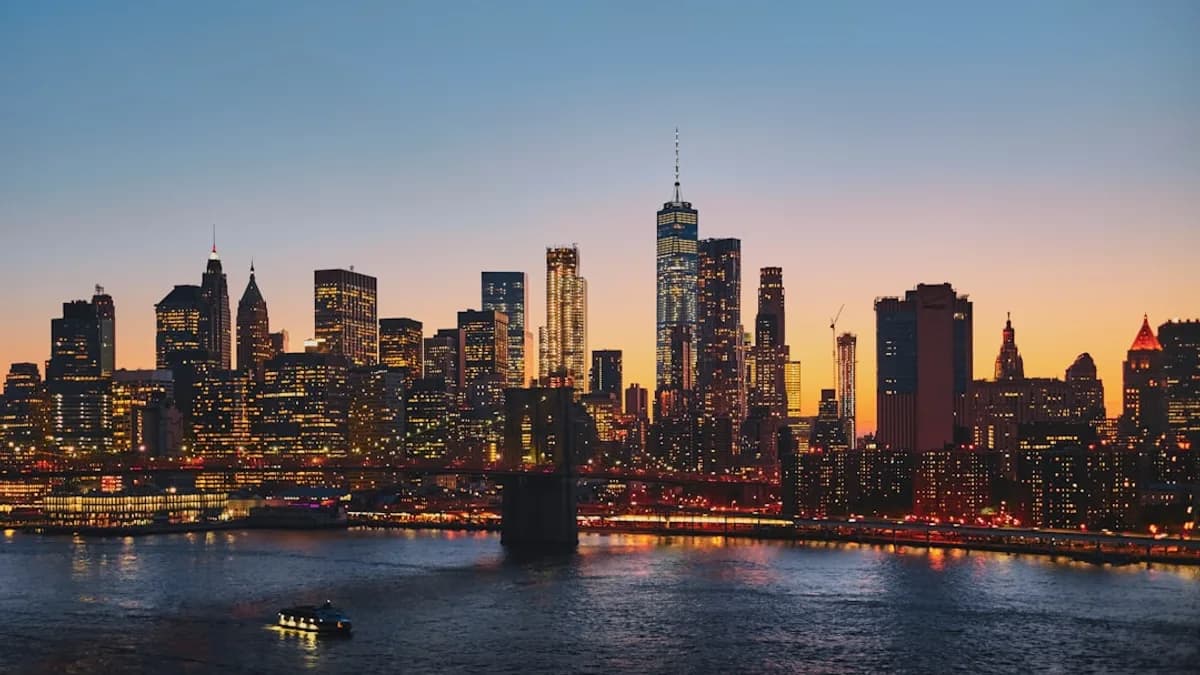
The numbers are staggering: Citadel’s $6 billion Midtown campus would rank among the largest private real estate plays in NYC history, promising thousands of jobs, millions in annual tax revenue, and a revitalized corridor for finance and tech. This isn’t another luxury condo; it’s a bet on New York’s staying power as a global business hub. The dollar figure dwarfs most city-led infrastructure projects and would reshape a chunk of Manhattan’s commercial landscape.
Ken Griffin’s $238 million penthouse—still the priciest U.S. home ever sold—offers a sharp contrast. It’s a monument to concentrated wealth, sitting atop Central Park South like a lightning rod for populist ire. The penthouse, purchased in 2019, is more than a trophy; it’s a visible reminder of how NYC’s real estate market has become a magnet for global billionaires. The juxtaposition is telling: Griffin’s personal assets and Citadel’s corporate investments are now intertwined in the city’s political crosshairs.
These figures illustrate the raw tension at play. On one side, mega-projects inject capital, jobs, and tax revenue; on the other, they reinforce narratives of inequality and elite privilege that city leaders increasingly target. As politicians sharpen their rhetoric and policy proposals, the scale of these investments makes them both indispensable and vulnerable. If major players like Citadel pull back, the ripple effects could touch everything from commercial leasing rates to the city’s budget forecasts.
Stakeholders Clash: Social Equity vs. Capital Flight
Citadel’s top brass argue that the mayor’s “tax the rich” blitz risks deterring investment, not just for their own $6B project but for the broader market. Executives cite regulatory uncertainty and the specter of targeted tax hikes as reasons to reconsider expansion plans—a concern echoed by other financial institutions quietly scouting Miami, Houston, and Singapore as alternatives. The message: capital is mobile, and New York’s hostility could turn its greatest asset into a liability.
City officials counter that taxing ultra-wealthy residents is a necessary step toward greater social equity. They see Griffin’s penthouse as emblematic of a city where affordable housing remains scarce and public services lag. Urban planners point to the need for higher tax revenue to fund infrastructure and schools, arguing that the city must balance private investment with the public good.
Community advocates, meanwhile, back the mayor’s rhetoric but worry about unintended consequences. They remember Amazon’s aborted HQ2 deal in Queens, where opposition killed 25,000 promised jobs. Investor concerns aren’t hypothetical: New York’s history is littered with projects stalled or abandoned due to shifting political winds.
The debate is now baked into every large-scale deal. If Citadel’s warning turns into action, it could embolden other firms to demand concessions or threaten exit. The result: a city locked in negotiation, where the threat of capital flight becomes leverage for both sides.
Historical Echoes: Wealth Tax Battles and NYC’s Real Estate Flux
This isn’t the first time New York has flirted with anti-wealth policy. In the late 2010s, Mayor de Blasio’s “millionaires tax” proposal rattled high-income earners and spurred a brief exodus of hedge funds. The city’s real estate market softened, with Manhattan luxury sales dropping 16% in 2018 after the announcement. When Albany debated a pied-à-terre tax targeting non-resident billionaires in 2019, brokers reported a 30% drop in foreign buyer interest.
Past attempts to tax or regulate the ultra-wealthy rarely yield the desired windfall. Instead, they often coincide with market slowdowns, as buyers and developers price in political risk. The Amazon HQ2 saga in 2019 offers a cautionary tale: a $3 billion incentive package was derided as a giveaway to tech elites, prompting Amazon to ditch the project entirely. The fallout left Queens with no HQ, no jobs, and a chilling effect on future corporate bids.
Citadel’s current warning echoes these trends. History suggests that targeting billionaire wealth in the name of equity risks undermining the city’s draw as an investment magnet. The lesson: policy volatility is more damaging than high taxes. Investors crave consistency. When the rules—and the rhetoric—shift too quickly, capital finds the exit.
Investor Implications: Navigating NYC’s Political Risk Premium
Citadel’s warning isn’t just a negotiating tactic; it’s a signal for investors to recalibrate risk models for NYC real estate. Political uncertainty now commands a premium, rivaling concerns over interest rates or macroeconomic downturns. Developers and financiers must factor in the likelihood of targeted taxes, regulatory delays, and PR blowback when underwriting deals.
Billionaire-backed projects may evolve in response. Expect more off-market deals, discreet capital placements, and partnerships with local stakeholders who can buffer political risk. Some developers are already exploring phased investments, contingent on policy stability. Others are hedging bets by expanding portfolios in more predictable cities—Miami saw a 12% surge in commercial real estate investment in 2023, fueled largely by NYC outflows.
For institutional investors, the message is clear: political risk is no longer abstract. It’s quantifiable, and it can derail even well-capitalized projects. The smart money will demand clearer guarantees from city officials—tax caps, zoning assurances, and expedited permitting—in exchange for sustained investment.
Next Moves: Wealth Tax Rhetoric Is Reshaping NYC’s Development Playbook
The next decade will be defined by the tug-of-war between political populism and capital mobility. If “tax the rich” remains a core campaign plank, expect a bifurcation in NYC’s development pipeline: mega-projects will slow, mid-sized deals backed by diversified capital will accelerate, and the city’s reliance on billionaire investors will wane. Policy changes—like a revived pied-à-terre tax or luxury real estate surcharges—could trigger further capital flight, especially if enacted abruptly.
Market reactions will track political headlines. Real estate prices at the top end could stagnate, while demand for commercial space may pivot toward tech and healthcare, sectors less vulnerable to anti-finance sentiment. Griffin’s penthouse may stand as a monument to a fading era of New York as billionaire playground; future buyers may prioritize discretion and political neutrality.
Investors and developers should watch three trends: migration of financial firms to lower-tax cities, the rise of “quiet capital” in urban projects, and the push for transparency in city incentives. If Citadel pulls back, others will follow. The city’s ability to balance social equity with investment stability will determine whether its skyline grows—or stalls. The calculus has changed: political risk is now the headline figure in every deal.
⚠️ Disclaimer: This article is for informational purposes only and does not constitute financial advice. Always do your own research before making investment decisions.
Impact Analysis
- Political rhetoric targeting wealthy investors can jeopardize large-scale projects and local economic growth.
- Citadel’s $6 billion Midtown development is at risk, threatening thousands of jobs and millions in tax revenue for NYC.
- Uncertainty may drive investment away from NYC, affecting both public-private partnerships and the city's tax base.