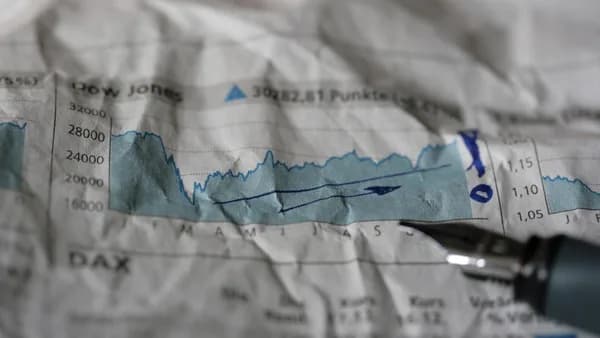
Introduction: Market Movements Amid U.S.-Iran Diplomatic Hopes
Global financial markets have reacted sharply to renewed diplomatic signals between the United States and Iran, with investors closely tracking the possibility of a breakthrough that could ease longstanding tensions in the Middle East. The prospect of constructive talks has sparked a wave of optimism: Asian equities surged, oil prices slipped, and U.S. Treasury yields climbed, reflecting a shift in risk appetite and expectations for geopolitical stability. These developments underscore the outsized influence that geopolitical events—particularly those involving major energy producers—have on asset prices worldwide. As traders recalibrate their portfolios, the interplay between diplomacy and markets remains front and center, shaping investor sentiment and guiding market movements across continents [Source: Source].
Asian Equities Rally on Optimism Over U.S.-Iran Negotiations
Asian stock markets posted robust gains as investors responded to encouraging news about potential U.S.-Iran negotiations. Major indices including Japan's Nikkei, South Korea's Kospi, and Hong Kong's Hang Seng all advanced, with technology and financial sectors leading the rally. The positive sentiment was driven by hopes that a diplomatic thaw could reduce the risk of conflict in the Middle East, a region whose stability is critical for global commerce and energy supplies.
Historically, Asian equities have reacted defensively to heightened Middle East tensions, often experiencing volatility as investors seek safe havens. However, this week’s market action marks a reversal: instead of retreating, traders capitalized on the possibility of de-escalation, betting on improved global growth prospects and reduced supply chain disruptions. Shares of export-oriented companies and banks saw particularly strong inflows, as investors anticipated smoother trade routes and lower risk premiums.
The rally reflects not only optimism about geopolitics but also a broader appetite for risk. With fears of an expanded conflict receding, fund managers shifted capital back into equities, reversing losses from previous sessions when war concerns dominated headlines. This resilience stands in contrast to the steep sell-offs seen during past crises, such as the 2019 tanker attacks or the 2020 U.S.-Iran standoff, suggesting that markets are increasingly responsive to diplomatic signals and less prone to panic in the face of uncertainty [Source: Source].
Oil Prices Decline Amid Prospects for Peace
Crude oil prices fell sharply as investors weighed the implications of a potential U.S.-Iran peace deal. Brent and West Texas Intermediate benchmarks both slipped, erasing gains made during the recent run-up fueled by war fears. The drop was triggered by the expectation that diplomatic progress could avert supply disruptions from the world’s key oil-producing region, alleviating concerns that had previously driven prices higher.
A peace agreement would likely reduce the risk of attacks on energy infrastructure and shipping lanes, stabilizing global supply and easing upward pressure on oil prices. Traders responded by unwinding positions in crude futures, anticipating a more predictable flow of exports from Iran and neighboring countries. This dynamic is especially significant given Iran’s substantial influence on OPEC production quotas and its role as a swing supplier in the global oil market.
Market participants are now recalibrating their forecasts for future demand and supply. While longer-term uncertainties remain—such as the potential for renewed sanctions or shifts in OPEC policy—short-term sentiment is markedly more positive. Analysts expect that if talks progress, oil prices could remain subdued, benefiting import-dependent economies and lowering inflationary pressures worldwide [Source: Source]. The rapid shift in oil markets underscores how sensitive pricing is to geopolitical developments, particularly those involving major producers.
U.S. Treasury Yields Climb as Risk Sentiment Improves
In tandem with the equity and commodity moves, U.S. Treasury yields rose as investors rotated out of safe-haven assets and into riskier positions. The increase in yields was driven by a sell-off in government bonds, reflecting improved confidence in global stability and a reduced need for defensive allocations. Falling oil prices contributed to this trend, as lower energy costs are seen as supportive of economic growth and less likely to trigger inflationary surprises.
The relationship between oil prices and Treasury yields is well established: when crude falls, inflation expectations tend to moderate, making bonds less attractive relative to equities and other risk assets. This week’s market action saw investors unwind positions accumulated during the tense period of Iran war fears, reallocating capital to sectors poised to benefit from peace. The result was a notable climb in yields across maturities, signaling a broad-based shift in risk sentiment [Source: Source].
As optimism grows, Treasury market dynamics will likely continue to mirror geopolitical headlines, with traders responding swiftly to any signals that could alter the outlook for global security or economic growth.
U.S. Stock Market Recovery: S&P 500 and Nasdaq Bounce Back
The U.S. stock market staged a strong comeback on Monday, with the S&P 500 and Nasdaq erasing losses incurred during the recent period of heightened Iran war concerns. Investors responded to diplomatic signals by bidding up shares across sectors, reversing the sell-off that had rattled markets in previous sessions [Source: Source].
The S&P 500’s recovery was led by technology, energy, and financial stocks. Major tech names, which had been pressured by risk-off sentiment, rebounded as investors anticipated stable supply chains and robust consumer demand. Energy companies saw a mixed response: while lower oil prices weighed on producers, refiners and transporters benefited from improved market stability. Financial stocks also outperformed, as higher Treasury yields and risk-on sentiment boosted bank profitability.
Notable stock movements included gains in blue-chip names and growth-oriented companies. The rally was broad-based, with defensive sectors such as utilities and healthcare participating alongside cyclical industries. Trading volumes were elevated, reflecting a surge in investor activity as market participants sought to capitalize on the turnaround.
This bounce-back marks a turning point following several days of losses driven by geopolitical uncertainty. The ability of U.S. equities to recover so quickly underscores the resilience of investor sentiment and the speed at which markets can adjust to new information. As diplomatic developments continue to unfold, traders will be watching for further signals that could shape the trajectory of stocks in the weeks ahead [Source: Source].
Conclusion: Market Outlook and Potential Risks Ahead
The latest surge in Asian equities, drop in oil prices, and recovery in U.S. stocks highlight a market landscape shaped by hope for U.S.-Iran diplomacy. While investors are clearly optimistic, risks remain: negotiations could stall, unexpected events might reignite tensions, and the broader geopolitical environment remains fragile. For markets, the stakes are high: energy prices, risk sentiment, and global growth all hang in the balance.
Looking forward, investors will need to monitor diplomatic signals closely and stay attuned to rapid shifts in sentiment. The current rally underscores both the power of geopolitics to move markets and the importance of agility in navigating uncertainty. As talks progress, the interplay between peace hopes and asset prices will remain a focal point for traders worldwide [Source: Source].
⚠️ Disclaimer: This article is for informational purposes only and does not constitute financial advice. Always do your own research before making investment decisions.