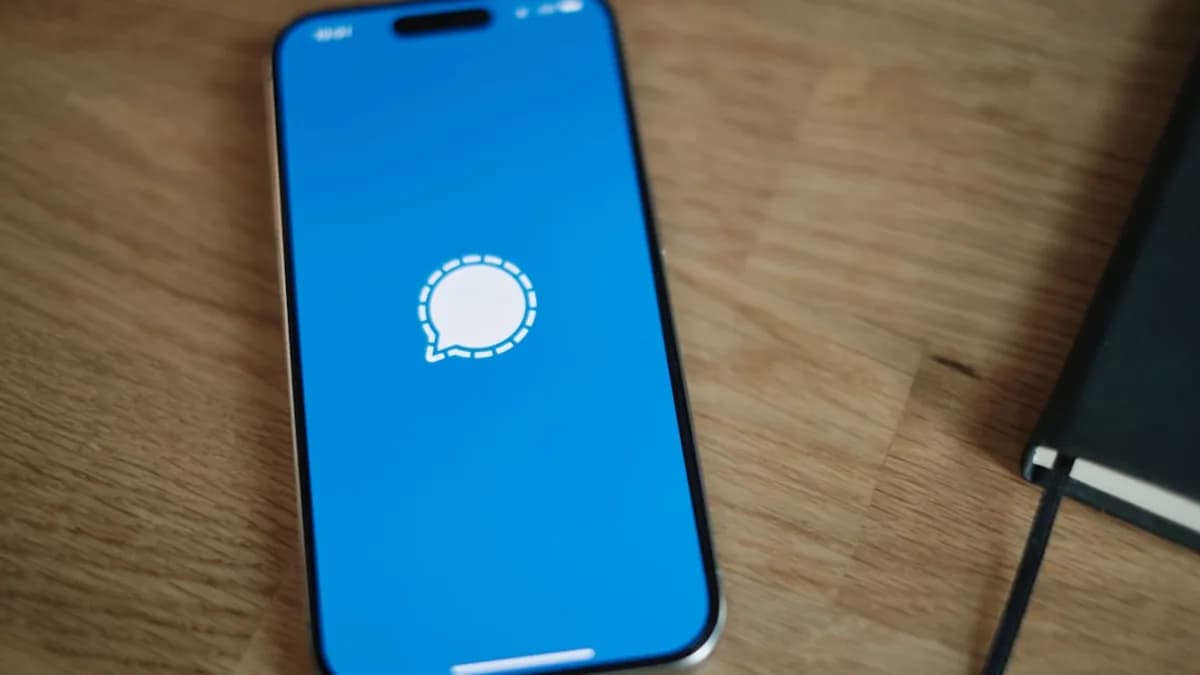
Introduction to Apple's Critical Security Patch for iPhone and iPad
Apple just released a fix for a bug that let police recover deleted Signal messages from iPhones and iPads [Source: TechCrunch]. The bug made it possible to grab chat data even after users thought it was gone. This matters because Signal is supposed to keep conversations private, especially after deletion. Apple rolled out the patch quickly so users can update their devices right away. The company says the fix is live for both iOS and iPadOS, and anyone worried about their privacy should update as soon as possible. This patch aims to close a loophole that threatened the trust people place in encrypted messaging apps.
How the Security Flaw Allowed Law Enforcement to Access Deleted Signal Messages
The bug worked like a trap door in Apple’s system. When someone deleted a message in Signal, the app tried to wipe it from the device. But the operating system did not fully erase the data. Instead, pieces of the deleted chats stuck around in hidden spots on the phone or tablet. Forensic tools—software police use to scan devices—could dig up these leftovers and rebuild conversations users thought were gone [Source: TechCrunch].
For example, a detective with an iPhone in evidence could use a tool like Cellebrite or GrayKey. These tools comb through storage, looking for scraps of data. Because of this bug, they could find deleted Signal messages and show them in reports.
This flaw hit Signal’s reputation hard. Signal promises end-to-end encryption, meaning only the sender and receiver can read messages. But if deleted messages linger on a device, privacy breaks down. For people using Signal to talk about sensitive topics—like activists, journalists, or anyone worried about surveillance—this bug could put them at risk.
It’s not just Signal, either. Other messaging apps rely on iOS and iPadOS to handle deletion. If Apple’s system doesn’t wipe data fully, deleted messages from other apps could be at risk. The bug raises a big question: When you delete something, is it really gone? Forensic tools keep getting better at finding hidden data, making privacy much harder to guarantee.
Apple's Response and the Details of the Bug Fix
Apple started looking into the bug after reports showed police could grab deleted messages during device scans [Source: TechCrunch]. The company worked with security experts and Signal’s team to figure out what went wrong. Apple traced the issue to how iOS and iPadOS handled files marked for deletion by apps. The operating system sometimes left traces behind in storage areas that forensic tools could read.
To fix the problem, Apple changed how the system erases deleted data. Now, when an app like Signal deletes a message, iOS and iPadOS scrub the data more completely. They overwrite the spots where the message lived, making it much harder for anyone—even forensic software—to recover the information.
Apple says the patch is part of the latest update, available now. Users just need to install the new iOS or iPadOS version. The company recommends updating right away, especially for anyone who uses secure messaging apps or cares about privacy.
Security experts note that Apple’s fix closes a loophole, but it’s smart to stay alert for future bugs. Forensic tools change fast, and attackers always look for new ways in. Apple says it will keep working on stronger privacy protections and urges developers to test their apps against the latest security standards.
Privacy Implications and the Broader Impact on Secure Messaging
This bug shows how tricky it is to keep deleted data private. Even if an app uses strong encryption, it depends on the device’s operating system to handle deletion. If the OS slips up, user privacy can suffer.
For Signal, the bug could shake trust. People use Signal because they want their conversations to stay secret. Activists, lawyers, and journalists count on it to keep their messages safe from prying eyes. If deleted messages can still be found, users may wonder how safe their chats really are.
It’s not the first time forensic tools have found ways around phone security. Tools like Cellebrite and GrayKey have been used in court cases to recover deleted texts, photos, and app data from iPhones and Android devices. Sometimes, these tools can even crack phone passwords or bypass locks. This keeps privacy experts on their toes, trying to stay ahead of law enforcement and hackers.
The debate over privacy and law enforcement’s power is heating up. Police want ways to get evidence from phones, while users want their data to stay safe. Bugs like this give law enforcement more power to dig into personal lives, even after users think they’ve erased the evidence.
Encrypted messaging apps face tough challenges. They must build strong walls to keep data safe, but they also rely on Apple and Google’s systems to do the heavy lifting. One weak spot can bring those walls down. As forensic tools get smarter, app makers and phone companies will need to work together to protect deleted data.
History shows that privacy problems often lead to stronger protections. In 2016, Apple refused to help the FBI unlock an iPhone, sparking a big debate about security. Since then, companies have added more encryption and tighter controls. But bugs like this remind us that privacy is never perfect. It’s a moving target, with new risks popping up all the time.
What Users Should Do to Protect Their Data Moving Forward
If you use an iPhone or iPad, update your device right away. Go to Settings, tap General, then Software Update. Download and install the latest iOS or iPadOS version. This patch will help keep your deleted messages safe from forensic scans.
For messaging apps like Signal, make sure you have the newest app version. App updates often fix bugs and add security features. Turn on automatic updates if you can, so you don’t miss important patches.
When deleting sensitive chats, use built-in deletion tools from the app. Some apps offer extra ways to clear data, like “disappearing messages” or “clear chat history.” Use these when you want more privacy.
Keep an eye on device security news. Bugs pop up often, and companies usually release fixes quickly. By staying informed, you can protect your data before attackers or forensic tools try to get it.
Lastly, think twice before storing very private info on any device. Even with strong security, bugs and loopholes can let data slip through. If you need to keep something secret, use trusted apps and update your software often.
Conclusion: Strengthening Mobile Privacy in an Era of Advanced Forensics
Apple’s bug fix is a big step for user privacy. It closes a loophole that let police recover deleted messages, even from apps built for security [Source: TechCrunch]. This reminds us that staying safe on phones is a never-ending fight. As forensic tools get stronger, companies must work hard to patch flaws and protect user data.
People who care about privacy should update devices and apps as soon as new fixes come out. Trust in encrypted messaging depends not just on app makers, but also on phone companies like Apple and Google. When everyone works together, data stays safer.
Looking ahead, users should expect new bugs and fixes. The best way to keep your information private is to stay alert, update often, and use trusted tools. Privacy isn’t guaranteed—it’s something you have to work for, every day.
Why It Matters
- The bug allowed law enforcement to recover supposedly deleted private messages, undermining user privacy.
- The flaw damaged trust in encrypted messaging apps like Signal, which are relied upon by activists and journalists.
- Apple's fast patch highlights the importance of regular updates to maintain digital security and privacy.