

Introduction: The Rising Threat of AI-Enhanced Cybercrime
North Korean hackers used AI tools to steal as much as $12 million in just three months. That’s not a typo. These attacks are getting bigger, faster, and harder to stop [Source: Wired]. And the scary part? These hackers weren’t the best in the business. They used AI to make up for their lack of skills. This is a wake-up call. If average hackers can now pull off crimes that used to need expert-level talent, the rules of cybercrime have changed. AI isn’t just helping good guys build smart tools. It’s helping bad actors break into systems, trick people, and drain bank accounts. The rise of AI in cybercrime is making everyone less safe. It’s time to talk about what this means, and what we’re going to do about it.
How AI Is Empowering Mediocre Hackers to Execute Sophisticated Attacks
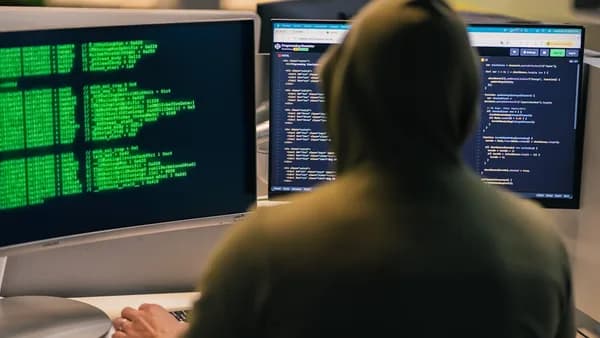
AI is making hacking easier for anyone willing to try. In the past, cybercriminals needed deep coding skills and lots of patience to build malware or fake websites. Now, AI can write code and create websites in seconds. North Korean hackers used AI to “vibe code” their malware—meaning the AI adjusted the code until it looked just right for their attack [Source: Wired]. They also asked AI to build fake company websites that looked real enough to fool investors and employees.
This isn’t just about speed; it’s about making hacking simple. Imagine a student who cheats on homework using ChatGPT. Now picture that, but with malware instead of math problems. Hackers can ask AI to write phishing emails, design login screens, and even come up with new ways to trick people. These tools aren’t only fast—they’re cheap and easy to get. You don’t need to be a tech wizard anymore. AI has lowered the barriers.
North Korean hacker groups use these AI tools to scale up their attacks. They can run more scams, target more victims, and change tactics quickly. For example, they might use AI chatbots to pretend to be someone’s boss or an HR manager. Or, they can generate fake resumes and company profiles to get hired at real firms, then steal money from inside. It’s like having a super-smart assistant that helps with every step of the crime.
The bottom line: AI is turning “average” hackers into dangerous threats. It’s helping them act like pros, even when they’re not. And that means more people, businesses, and governments are at risk.
The Dangerous Democratization of Cybercrime Through AI Technologies
AI is putting hacking tools in the hands of anyone with a laptop. Before, only skilled criminals could pull off big cyber heists. Now, even rookies can launch attacks that look professional. This shift is huge. It means the volume and complexity of cybercrime is about to explode.
Let’s look at what this means for the rest of us. First, there will be more attacks. AI lets hackers set up fake websites, send phishing emails, and build malware much faster. So, instead of one attack a week, they might launch hundreds. Second, these attacks will be harder to spot. AI can help disguise threats so they blend in with normal online traffic. It can rewrite emails to sound convincing, or tweak malware so it slips past security software.
This isn’t just a headache for IT teams. It’s a big challenge for police and governments. Law enforcement struggles to track cybercrime as it is. With AI, hackers can change their methods every day, making it tough to catch up. It’s like playing whack-a-mole on turbo mode.
Trust in the digital world is also at risk. People are starting to wonder if they can trust emails from their bank, job offers from LinkedIn, or even text messages from friends. When AI makes it easy for anyone to fake an identity or build a scam site, confidence in online life drops. This hurts businesses, slows down innovation, and makes everyone more cautious.
We’ve seen something like this before. When spam emails became common in the early 2000s, people had to learn not to click on unknown links. But AI-powered scams are harder to spot. They look smarter and more personal. If cybercrime keeps getting easier, we could see a wave of attacks that dwarf anything from the past.
The stakes are high. Banks, hospitals, schools, and governments all rely on digital tools. If hackers use AI to break in and steal, the fallout could be huge. Recovery costs money and time, and sometimes the damage can’t be fixed. We need to rethink how we protect ourselves, because the old ways aren’t enough anymore.
Why Current Cybersecurity Measures Are Ill-Equipped Against AI-Driven Threats
Most cybersecurity systems were built for old-school threats. They look for known patterns—like a certain type of virus or a strange login attempt. But AI-generated attacks change shape all the time. Malware can be rewritten in seconds, new phishing websites pop up every hour, and emails can be made to sound just like someone you know.
This adaptability is a big problem. Traditional defenses often rely on lists of known threats. But if hackers use AI to change their tactics on the fly, those lists become outdated fast. Security tools that used to block yesterday’s attack might miss today’s new version.
Speed is another issue. AI helps hackers work faster than defenders can keep up. For example, if a bank’s firewall blocks a certain kind of scam, AI can quickly invent a new way in. It’s a race, and right now, hackers are winning.
This means companies and governments need to rethink their defenses. It’s not enough to buy antivirus software and hope for the best. We need smarter tools—ones that use AI to spot new threats as they appear. That means investing in research, hiring experts, and working together to share information.
There’s also a need for new training. Employees must learn how to spot AI-powered scams, not just old tricks. Security teams need to understand how AI works, so they can fight back. It’s a big shift, but it’s necessary if we want to protect our money, data, and trust.
Policy and Ethical Considerations: Balancing AI Innovation and Security Risks
AI offers huge potential, but it also brings new risks. Right now, anyone can get powerful AI tools online. There are few rules about who can use them, or for what purpose. This makes it easy for criminals, including state-backed groups like those from North Korea, to use AI for hacking [Source: Wired].
There needs to be a balance. We don’t want to stop good research or helpful applications. But we can’t ignore the risks. Governments should think about rules for distributing AI tools, especially those that can be used for crime. For example, companies might need to check who is using their software and block suspicious users.
Developers also have a role to play. If you build AI tools, you should think about how they might be misused. Some companies are already adding limits—like blocking requests to write malware or fake documents. But many tools still slip through the cracks. Developers need to ask tough questions about their responsibility. Should they monitor how their tools are used? Should they help police investigate abuse?
International cooperation is key. Cybercrime doesn’t respect borders. North Korean hackers can target banks in the US, Europe, or Asia with a click of a button. Countries should work together to track threats, share information, and set global standards for AI safety.
This is not an easy problem. Rules must be strong enough to protect people, but flexible enough to allow progress. If we get it wrong, we risk making AI less useful—or letting cybercrime run wild. The goal is to find a middle ground, where innovation thrives and security keeps pace.
Conclusion: Urgent Action Required to Counter AI-Enabled Cybercrime Threats
AI is making cybercrime faster, smarter, and easier for everyone—including hackers with only basic skills. North Korean groups showed just how dangerous this can be, stealing millions with help from AI tools [Source: Wired]. The risks are real, and growing. We need new ways to fight back, from smarter cybersecurity to better rules for AI use.
The future of digital safety depends on how we respond. If we act now—invest in defenses, update policies, and train people—we can stay ahead of the threat. If we wait, cybercrime will keep growing, hurting people, businesses, and trust in technology. AI can be a force for good, but only if we take steps to control its dangers. The time for action is now.
Why It Matters
- AI is enabling less-skilled hackers to carry out large-scale cyberattacks that were previously out of reach.
- The use of AI in cybercrime increases the speed, scale, and sophistication of attacks, making them harder to detect and stop.
- This trend signals a growing risk for individuals, businesses, and governments as cybercrime becomes more accessible.