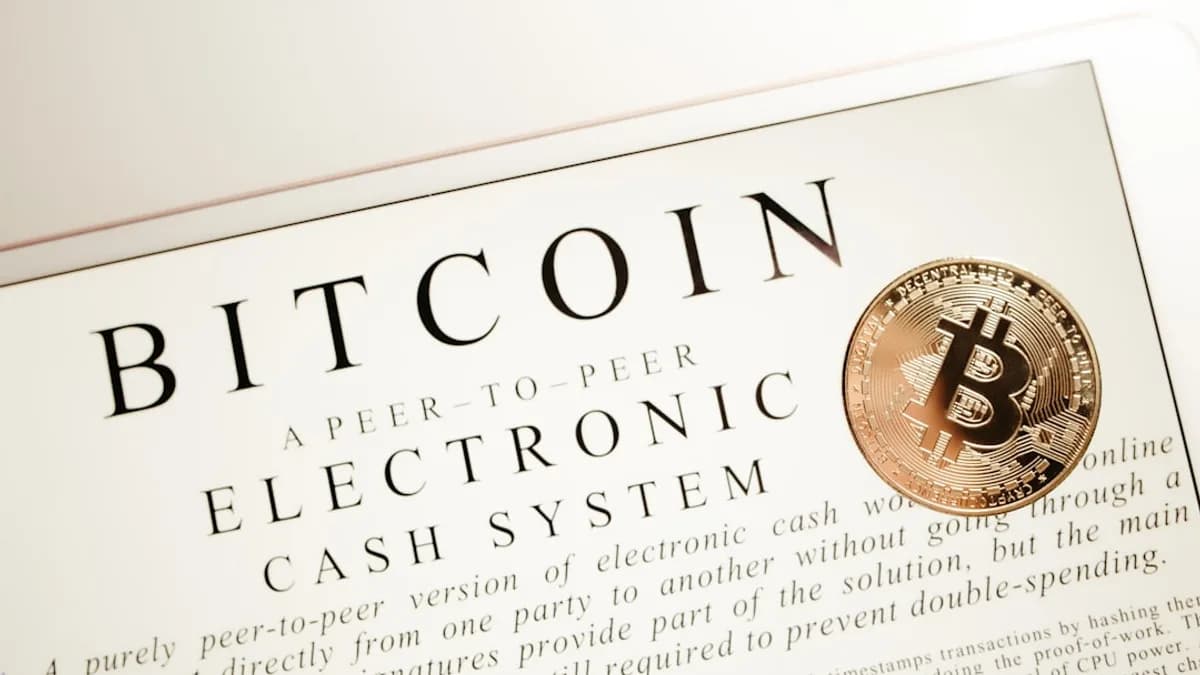
Two New Claims Surface Identifying Bitcoin’s Creator Satoshi Nakamoto
Two separate teams claim they’ve finally unmasked Satoshi Nakamoto, Bitcoin’s elusive inventor—yet neither has produced the cryptographic proof the crypto world demands. One effort comes from a Pulitzer Prize-winning reporter, while the other, an independent research group, just dropped their findings within days of each other. The timing alone, after years of dead ends and dismissed theories, jolted Bitcoin circles this week, according to Wired.
Pulitzer winner Andy Greenberg leads the first project—a months-long investigation tying Satoshi to a little-known cryptography developer through stylistic analysis, early mailing list evidence, and blockchain forensics. The second group, using AI-driven stylometry, claims a different candidate entirely, comparing thousands of Nakamoto’s writings with obscure forum posts from the late 2000s.
Neither camp has published a signed message from Satoshi’s well-known Bitcoin addresses—the gold standard for cryptographic proof. Within hours, prominent crypto Twitter accounts and Bitcoin Core developers picked apart the evidence, with one developer noting, “It’s not the first time someone’s found a smoking gun that turned out to be a water pistol.” For insights on cryptographic proof challenges in Bitcoin, see Paradigm Proposes PACTs to Address Bitcoin's Quantum Vulnerabilities.
The simultaneous releases triggered a spike in searches for “Satoshi Nakamoto identity” and a flurry of speculative trading on tokens tied to Satoshi rumors. Yet for all the noise, the core question remains unchanged: where are the receipts?
Why the Mystery of Satoshi Nakamoto’s Identity Remains Unresolved
Every few years, a new “Satoshi” takes the stage—then fizzles under scrutiny. The latest claims are no exception. The crux: cryptographic signatures, not stylometry or circumstantial evidence, remain the only widely-accepted proof. Without a verifiable message from one of Satoshi’s original wallets, skepticism rules.
Bitcoin’s founding mythos feeds this cycle. Past candidates, from cryptographer Hal Finney to Australian entrepreneur Craig Wright, have cycled through headlines. Wright’s own legal battles and failed signature demonstrations left scars; the courts remain unconvinced, and so does the market. Even when researchers tie Nakamoto’s writings or code commits to a suspect, the absence of on-chain evidence turns each “revelation” into just another theory.
Experts have another reason to doubt: Satoshi’s operational security was legendary. The original white paper, forum posts, and the first mined blocks show a paranoia bordering on the obsessive. No IP trail, no obvious writing quirks, and no leaks—just a sudden disappearance in 2011. In a space where $1.3 trillion in market cap rides on trust, the bar for proof is set high.
That’s why Bitcoin’s core developers and historians responded with a collective shrug. Hype cycles around Satoshi’s identity may boost engagement or drive fringe coins, but until someone moves coins from the genesis block or signs a message with Satoshi’s private key, the mystery remains unsolved. For developments on dormant Bitcoin and cryptographic proof, see New Bitcoin quantum proposal offers Satoshi Nakamoto a way to prove control without moving BTC.
What the Latest Satoshi Claims Mean for Bitcoin’s Future and the Ongoing Search
If one of these claims ever sticks—with ironclad, cryptographic evidence—the shockwaves would rip through Bitcoin’s price, regulation, and community culture. Markets would scramble to price in the risk of a “known” Satoshi, especially if the individual controls early coins worth over $40 billion. Regulators, from the SEC to the IRS, might seize on a confirmed identity to revisit the legal status of early Bitcoin transactions or pursue tax claims.
But history suggests the most likely outcome is continued ambiguity. The market’s muted reaction—Bitcoin barely budged on the news—shows most investors now discount “identity” stories unless real keys move. Researchers, meanwhile, are doubling down on technical forensics: blockchain analysis, metadata correlation, and the hunt for undiscovered private communications. Several university teams, including MIT’s Digital Currency Initiative, are developing AI tools to cross-reference early Bitcoin code and emails with new leaks.
The next inflection point could come from either an unexpected signature from a Satoshi-era address or a credible leak of private correspondence. The upcoming Black Hat security conference in August lists “Satoshi forensics” on its agenda, signaling the hunt is only getting more sophisticated.
For now, the Satoshi guessing game remains a test of patience, not just technical skill. Every unverified claim hardens the community’s standards—and raises the stakes for anyone who dares to say, “I found Satoshi.” Until the real creator steps forward with proof, the search will keep attracting new sleuths, new theories, and the occasional burst of market anxiety. For context on Bitcoin market reactions to news, see Three Bitcoin data points suggest a rally to $80K is imminent.
⚠️ Disclaimer: This article is for informational purposes only and does not constitute financial advice. Always do your own research before making investment decisions.
Why It Matters
- The true identity of Bitcoin's creator remains one of the most significant unsolved mysteries in technology.
- Each unverified claim fuels market speculation and impacts crypto trading activity.
- Robust cryptographic proof is crucial for credibility in the cryptocurrency community.