Why Taiwan’s Proposal to Hold Bitcoin as a Reserve Signals a Strategic Shift
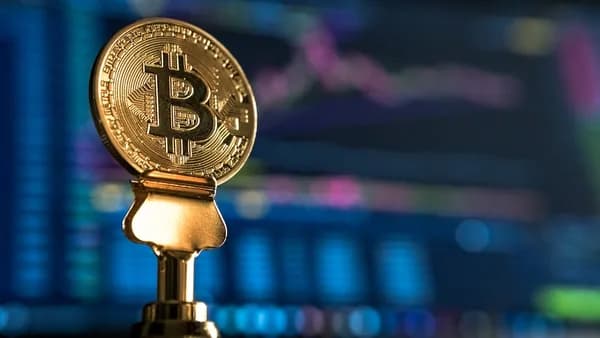
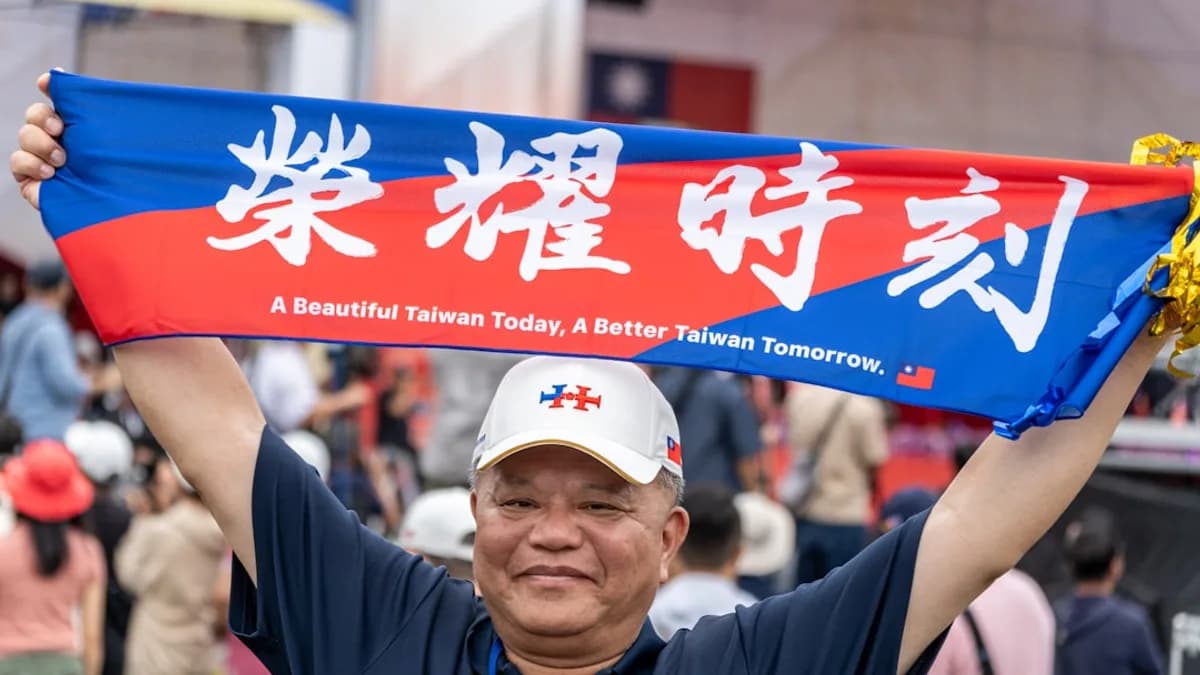
Taiwan is thinking about adding Bitcoin to its national reserves—something no big country has done yet. This move comes as Taiwan faces rising pressure from China, which claims the island as its own. As tensions heat up, Taiwan wants ways to protect its economy if things go wrong with China, especially since China is Taiwan’s largest trading partner. Right now, Taiwan mostly keeps its reserves in US dollars, gold, and other foreign currencies. But what if those become hard to use because of sanctions or political pressure? That’s where Bitcoin comes in.
Bitcoin is different from regular money because no government controls it. It’s digital, borderless, and can be sent anywhere, anytime. By adding Bitcoin, Taiwan could make its reserves harder for other countries to block or freeze—even if it faces sanctions like Russia did after invading Ukraine. If a small island like Taiwan starts this trend, other countries might follow, especially those worried about getting cut off from the global banking system.
This proposal is more than just a financial experiment—it’s a signal to the world. Taiwan wants to show it’s ready for a future where money moves differently, and where being prepared means thinking beyond the US dollar. You can read more about the proposal at CryptoBriefing. If Taiwan actually buys and holds Bitcoin, it could change how countries everywhere think about protecting their money.
What Are Bitcoin Reserves and How Do They Differ from Traditional Reserves?
A reserve is like a country’s rainy-day fund. It’s a stash of assets—think cash, gold, or bonds—that helps a country pay its bills, buy things from abroad, or defend its currency if there’s trouble. Most countries keep their reserves in things like US dollars, euros, Japanese yen, or gold bars in a vault. These are assets everyone trusts and can use easily in world trade.
Bitcoin reserves are different. Instead of holding dollars or gold, you hold Bitcoin—just lines of code on a digital ledger. The idea is that Bitcoin is scarce (only 21 million will ever exist) and no one can print more. Bitcoin doesn’t belong to any country, so it’s immune from politics or inflation from central banks.
But there are big differences:
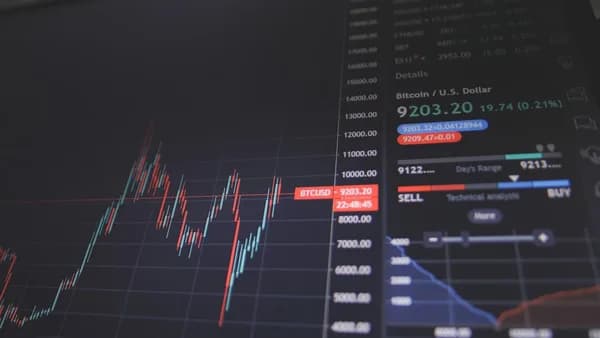
- Volatility: Bitcoin’s price can swing wildly. In 2021, it dropped about 50% in a few months. No central bank wants its reserves to lose half their value overnight.
- Liquidity: You can sell dollars or gold fast, almost anywhere. Bitcoin is getting easier to sell, but big trades can still move the price or take time.
- Security: If someone hacks your Bitcoin wallet, those coins are gone. Dollars in a bank are usually insured. Bitcoin needs super-strong security to keep it safe.
So why even consider Bitcoin? Some countries see it as “digital gold”—an asset that can’t be censored or seized. It’s a hedge against the US dollar losing value or a country being locked out of the global financial system. But it’s risky, and most central banks still see it as too unstable for their main reserves.
If Taiwan adds Bitcoin, it would need to balance these risks. Maybe it starts small—just a tiny slice of its reserves—to test the waters. That’s how companies like Tesla and MicroStrategy did it. For Taiwan, the bet is that some Bitcoin is better than none, especially when regular options could be blocked during a crisis.
How Could Taiwan’s Bitcoin Reserve Influence Global Reserve Strategies?
If Taiwan actually adds Bitcoin to its reserves, it could spark a domino effect. Other countries, especially those with tricky politics or tense relations with the US, might take a closer look at digital assets too. For example, countries like Iran, Venezuela, and even Russia have already shown interest in using crypto to get around sanctions. But so far, no major economy has made Bitcoin a serious part of its national reserves.
Why does this matter? Today, the US dollar is the world’s “reserve currency.” Most countries need dollars for trade, so they keep dollars in their vaults. If more countries start holding Bitcoin instead, it could slowly chip away at the dollar’s power. This is especially true for countries that worry about being cut off from the US-led financial system. Imagine if a dozen countries held even 1% of their reserves in Bitcoin. That’s billions of dollars in demand—and a big signal to global markets.
But there are also big hurdles. Many countries have strict rules against using crypto. The International Monetary Fund (IMF) and World Bank have warned about crypto risks, like price swings and crime. If Taiwan goes ahead, it will need to show that digital reserves can be safe and useful—not just a gamble.
One thing is clear: If Taiwan makes Bitcoin reserves work, other countries will study its playbook. They may copy the parts that work, or tweak the idea for their own needs. The world’s financial system could get a little less predictable—and a lot more interesting.
What Are the Practical Steps Taiwan Would Need to Take to Implement a Bitcoin Reserve?
Turning this idea into reality won’t be simple. First, Taiwan’s lawmakers would need to pass a law or change existing rules to let the central bank buy and hold Bitcoin. This means debates in parliament and likely, pushback from people who worry about the risks. The central bank would need clear rules about how much Bitcoin to buy, when to sell, and how to keep it safe.
Next comes the nuts and bolts. Storing Bitcoin safely is very different from keeping gold in a vault. Taiwan would need top-notch “cold storage” solutions—secure ways to keep Bitcoin offline, safe from hackers. They might build their own digital vaults or partner with trusted crypto custody firms like Coinbase, BitGo, or Fidelity. Each option has trade-offs in cost, security, and control.
Risk management is also key. Since Bitcoin’s price jumps up and down, Taiwan would need strict limits on how much to hold. They might use special tools, like derivatives, to hedge against big price drops. The central bank would also need ways to quickly sell Bitcoin in a crisis without crashing the market.
Taiwan would likely consult with countries or companies that have already bought Bitcoin. They might also talk to international regulators to avoid breaking any rules. Finally, they’d need to explain the plan to the public, so people understand why it’s happening and how it helps Taiwan’s security.
This kind of change takes time. But if Taiwan can show it’s possible, it could set a model for other countries looking for new reserve options beyond dollars and gold.
What Can We Learn from Other Countries or Institutions Experimenting with Bitcoin Reserves?
El Salvador made headlines in 2021 by becoming the first country to make Bitcoin legal tender and put it on its books. It started small—buying Bitcoin with government funds and building a digital wallet for its people. The results have been mixed. Bitcoin’s price fell soon after El Salvador bought in, so the country lost money on paper. But it also drew attention from crypto fans and boosted tourism. Some Salvadorans use Bitcoin for remittances, but most still prefer cash.
Several big companies have tried holding Bitcoin as a reserve too. MicroStrategy, a US tech firm, put over $4 billion into Bitcoin. Its stock price now rises and falls with Bitcoin’s price. Tesla bought $1.5 billion worth in 2021, then sold some after the price dropped, showing how volatile things can get. These cases show that Bitcoin can bring big gains—or big headaches—depending on when you buy and how much you hold.
No major central bank has gone all-in on Bitcoin. But the Swiss canton of Zug and the city of Lugano in Switzerland both accept Bitcoin for some payments, showing small steps are possible. The lesson for Taiwan: start small, be ready for price swings, and build strong security from day one. Watching El Salvador and big companies, Taiwan can see that transparency and flexibility are key. If things go well, it could slowly add more Bitcoin. If not, it can pull back without much harm.
For readers and investors, the big takeaway is to watch how early adopters handle ups and downs. If Taiwan succeeds, expect others to follow. If it stumbles, countries may wait longer before adding any crypto to their reserves.
What to Watch as Taiwan and Others Weigh Bitcoin for Reserves
Taiwan’s Bitcoin reserve idea is a sign that the world of money is changing fast. Countries want new ways to protect their savings from politics, sanctions, and inflation. Bitcoin offers a fresh option—but it comes with risks that can’t be ignored.
If Taiwan moves ahead, watch for more national debates, new laws, and maybe a test run with a small Bitcoin purchase. Pay attention to how Taiwan stores and manages its Bitcoin, and how it explains the risks to its people. Other countries, especially those facing global headwinds, will be watching Taiwan closely.
For investors, this could mean more demand for Bitcoin if other nations follow. For governments, it’s a wake-up call to rethink how they build up their rainy-day funds. Whether Bitcoin becomes a standard reserve asset or stays on the sidelines will depend on what happens next in Taiwan—and how the rest of the world responds.
⚠️ Disclaimer: This article is for informational purposes only and does not constitute financial advice. Always do your own research before making investment decisions.
Why It Matters
- Taiwan’s proposal could set a precedent for other countries facing geopolitical risks.
- Adding Bitcoin may help Taiwan reduce vulnerability to international sanctions or financial pressure.
- This move signals growing global interest in digital assets as part of national financial strategy.