Introduction to Riot Platforms and Its Strategic Pivot to AI Infrastructure
Riot Platforms, once known just for mining Bitcoin, just reported its first revenue from hosting AI infrastructure. This is a big shift for the company. For years, Riot focused mostly on mining Bitcoin. Now, it’s using its data centers for something new: supporting artificial intelligence. This new step means Riot is no longer just tied to the ups and downs of Bitcoin prices.
The change comes as chip giant AMD doubled its capacity deal with Riot. This partnership gives Riot more hardware power for both mining and AI hosting [Source: Decrypt]. With the tech world buzzing about AI, companies like Riot see a chance to grow in new ways. Reporting its first data center revenue shows the move is working. And the expanded AMD deal could help Riot scale up even faster.
Understanding the Benefits of Integrating AI Infrastructure Hosting with Bitcoin Mining
Mixing AI hosting with Bitcoin mining can bring big benefits. First, it helps Riot Platforms earn money from more than one source. If Bitcoin’s price drops, the company still has income from AI customers. This helps cut risk, which is important in an industry known for wild price swings.
Second, there are real synergies between mining and AI work. Both need lots of computing power and strong data centers. Riot can use its existing machines and cooling systems for both jobs. This saves money and gets more value from every piece of hardware.
The market is also changing. More businesses want to run AI models, but not all have their own data centers. They look for companies like Riot to host their AI workloads. At the same time, Bitcoin mining profits have been squeezed by rising energy costs and the latest “halving” event, which cut mining rewards in half. By adding AI services, Riot is following a trend where crypto miners turn to other high-demand uses for their machines.
Big miners in North America, like Hut 8 and Core Scientific, are also looking at AI and cloud hosting. They see that the line between crypto mining and AI infrastructure is getting blurry. Tech companies are searching for fast, cheap computing, and miners have the space and equipment to help. By moving into AI hosting, Riot is staying ahead of the curve and making its business more stable.
Step-by-Step Guide: How Riot Platforms Successfully Pivoted to AI Data Center Revenue
Riot Platforms didn’t just wake up one day and get into AI. The company made a plan and took clear steps.
1. Assessing the Opportunity
First, Riot’s leaders saw that Bitcoin mining alone was risky. They noticed the AI boom and realized their data centers could do more. They studied market demand, checked what their buildings and machines could handle, and weighed the costs of adding new services.
2. Preparing the Infrastructure
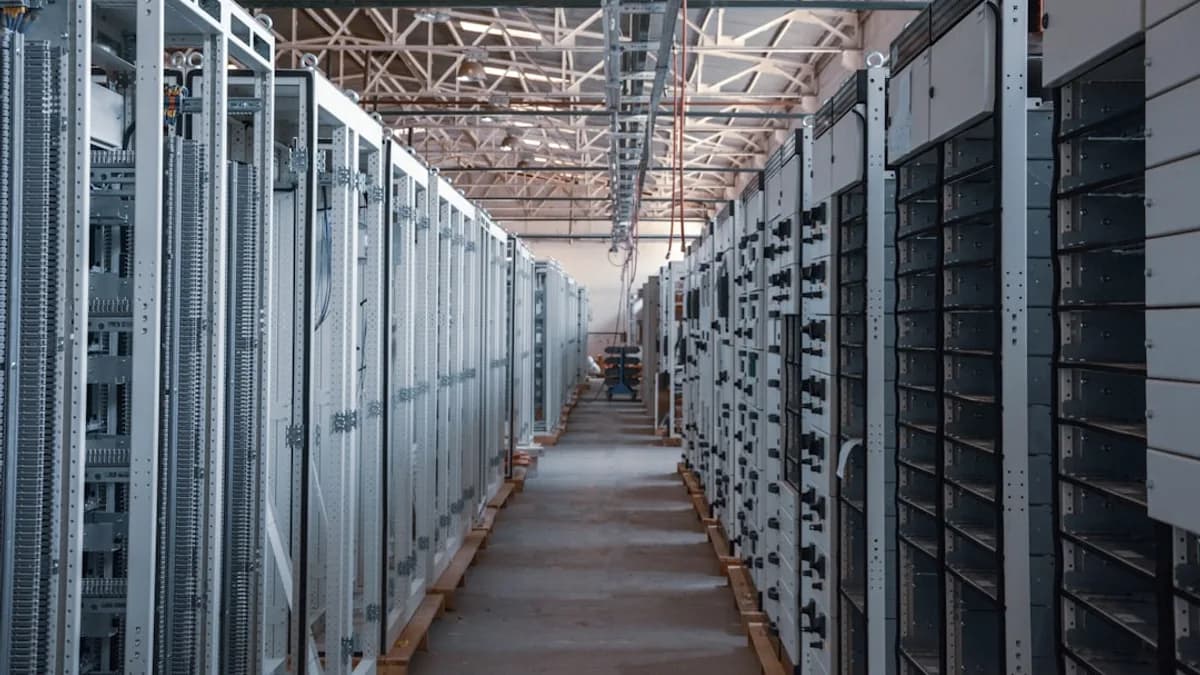
Next, Riot either built new data center space or changed existing ones. AI workloads need powerful graphics chips (GPUs), fast networks, and strong cooling—sometimes even more than Bitcoin mining. Riot had to make sure their sites could support these needs. This meant upgrading power supplies, improving cooling, and setting up security for AI customers.
3. Partnering with AMD
A big step was working with AMD. AMD makes the high-end chips needed for AI. Riot signed a deal with AMD to double its hardware capacity [Source: Decrypt]. This gave Riot the muscle to handle both mining and AI jobs. AMD’s tech is popular with companies training AI models, so this deal made Riot more attractive to new customers.
4. Operational Changes
Running two types of business at once isn’t easy. Riot had to train its staff to manage AI workloads alongside mining. They set up new systems to monitor both types of customer and keep everything running smoothly. They also developed ways to switch resources between mining and AI, depending on which was more profitable at the time.
5. Reporting Results
Finally, Riot started tracking and reporting its data center revenue from AI hosting. This showed investors that the pivot was real, not just a talking point. In its latest report, Riot announced its first revenue from this segment—a proof point for its new business model [Source: Decrypt].
This step-by-step approach let Riot move fast but carefully. The company didn’t bet everything at once. Instead, it used what it already had, found the right partner, and built up its AI business alongside mining. The result: a new income stream and a stronger position for the future.
How AMD's Expanded Deal Accelerated Riot Platforms' AI Infrastructure Growth
The new deal with AMD was a game-changer for Riot’s AI plans. AMD agreed to double the hardware it provides Riot, giving the company more chips to rent out for AI tasks [Source: Decrypt]. These chips are the brains behind training and running AI models. With more AMD capacity, Riot can take on bigger AI customers and offer faster service.
AMD’s hardware is known for its strong performance in both mining and AI. By having a close relationship with a major chipmaker, Riot can get new tech faster and at better prices. This gives Riot an edge over rivals who might be stuck waiting for hardware.
For any company, teaming up with a strong supplier can make a huge difference. Strategic partnerships like this can boost capacity, lower costs, and help a business scale quickly. Riot’s deal with AMD shows how important it is to lock in reliable supply when moving into fast-growing markets like AI.
Other companies looking to grow in AI should think about their hardware partners early. The right deal can mean the difference between leading the market or falling behind when demand surges.
Key Considerations for Companies Looking to Diversify into AI Infrastructure Hosting
Jumping into AI infrastructure isn’t as simple as plugging in new machines. Companies need a plan.
First, check if your current data center can handle AI workloads. These jobs often need more power, cooling, and security than other types of computing. Some older centers may need big upgrades.
Next, pick the right technology partners. Strong chip suppliers like AMD or Nvidia can give you the hardware you need. Cloud software partners can help with managing customer workloads and billing.
Think about how to split your resources. If your main business is something else (like Bitcoin mining), make sure you don’t stretch too thin. Keep your core business running well while you build up the AI side.
Study the market. Find out who needs AI hosting in your area. Is demand coming from startups, universities, or big tech firms? Know what they’re willing to pay, so your new business will be worth the effort.
Finally, plan for growth. If your AI hosting takes off, you’ll need to scale up fast. Build in extra space, power, and network capacity so you can serve more customers without long delays. Flexibility is key—AI technology changes fast, and you need to be ready.
Conclusion: Lessons from Riot Platforms’ Successful Transition to AI Infrastructure Hosting
Riot Platforms’ pivot shows how a company can thrive by not putting all its eggs in one basket. By adding AI infrastructure hosting to its Bitcoin mining business, Riot now has more ways to make money and weather market swings.
This move took clear thinking, the right partners, and smart use of existing assets. Riot’s first data center revenue is just the start. If demand for AI keeps rising, the company could see even bigger gains.
For other tech companies, Riot’s story is a lesson in staying flexible and spotting new trends early. Diversifying into AI hosting can boost growth, add stability, and open doors to new markets. As AI and crypto keep pushing tech forward, companies willing to adapt will have the best shot at long-term success.
⚠️ Disclaimer: This article is for informational purposes only and does not constitute financial advice. Always do your own research before making investment decisions.
Why It Matters
- Riot Platforms diversifying into AI hosting reduces its reliance on volatile Bitcoin markets.
- The expanded AMD partnership positions Riot to rapidly grow its AI infrastructure business.
- This shift reflects a broader trend of crypto miners seeking new revenue streams amid rising operational challenges.