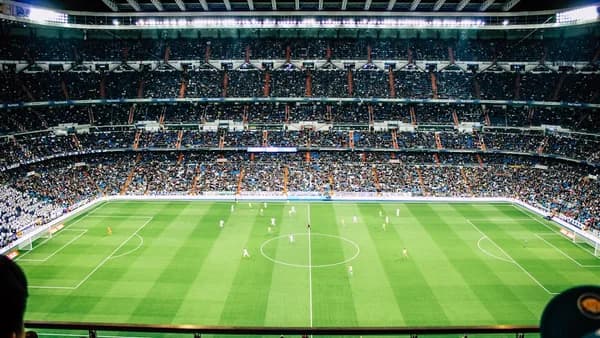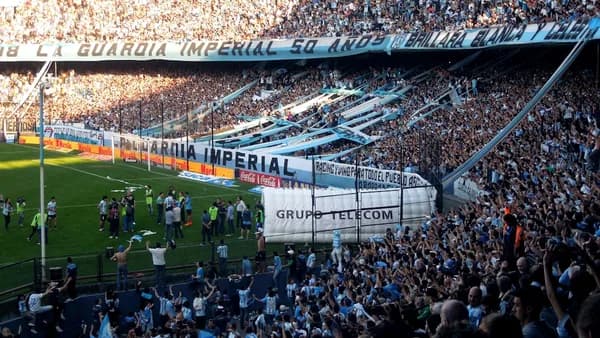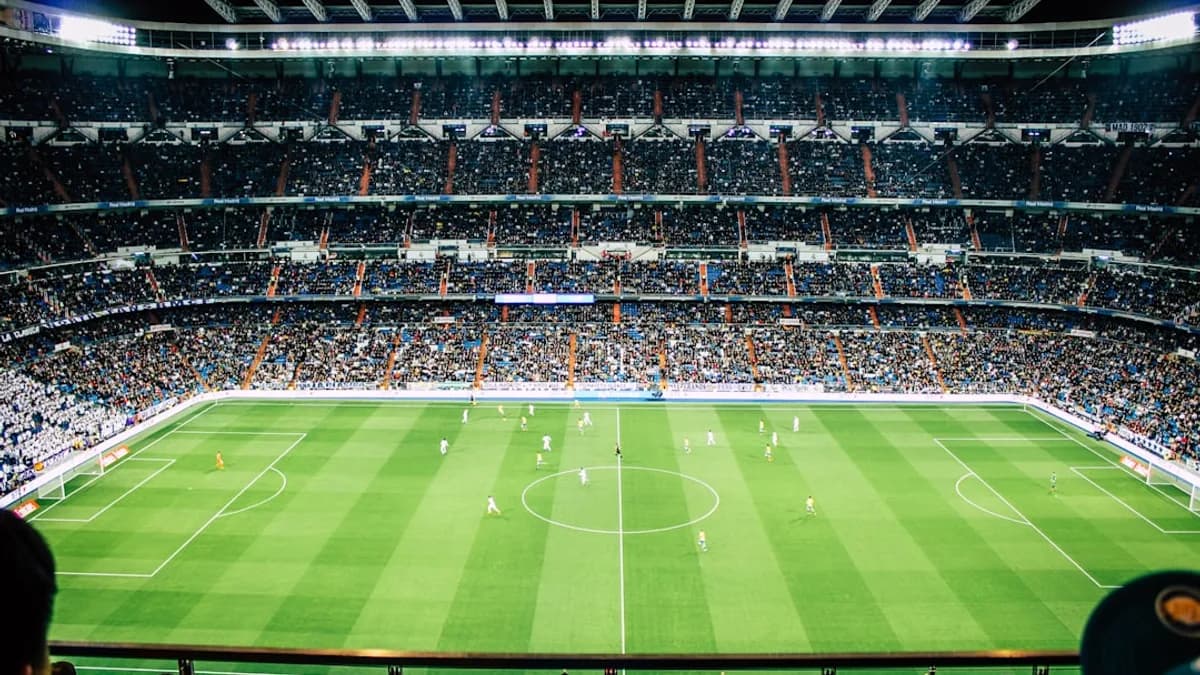
Crypto has moved into the FIFA World Cup spotlight, with Kraken and other blockchain-linked names drawing attention around Ecuador vs Ivory Coast during the expanded 48-team tournament in Philadelphia.
The match kicks off at 7:00 PM ET on June 14 at Lincoln Financial Field, with Ecuador facing Ivory Coast in Group E, according to CryptoBriefing. The football story is straightforward. The business story is more revealing: crypto rails, fan-token narratives, ticketing ideas, and prediction-market infrastructure are being discussed beside one of global sport’s highest-profile events.
Ecuador vs Ivory Coast enters a 48-team World Cup — with crypto in focus
Ecuador is expected to lean on a mix of defensive structure, midfield control, and attacking experience for the Group E match, but the supplied source material does not establish a confirmed full starting XI for the opener.
The squad still carries recognizable top-level club experience. Moisés Caicedo, the Chelsea midfielder, is one of Ecuador’s central names, while Piero Hincapié, Willian Pacho, and Pervis Estupiñán give the side defensive quality and width.
The tournament also marks the World Cup’s expanded 48-team format, replacing the 32-team structure used in prior editions. That matters for crypto partners because a larger tournament means more matches, more participating fan bases, and more chances to test whether blockchain-linked sports products get used beyond press releases.
Kraken has become one of the crypto names associated with the tournament conversation, but the supplied source material does not establish the more specific claim that it is FIFA’s first official crypto exchange sponsor.
For more context on that deal, MLXIO has also covered the sponsorship angle in Kraken Bets World Cup 2026 Will Make Crypto Mainstream.
Kraken gets the headline, but Chiliz, Avalanche, and Chainlink are the deeper test
The most visible crypto name is Kraken, but the tournament’s blockchain discussion is broader. Chiliz, the company behind the CHZ token, remains the obvious name for fan-token watchers because of its role in the wider sports-token market.
Avalanche and Chainlink also sit inside the broader crypto-infrastructure conversation. The available source material, however, does not establish specific World Cup deployments tying Avalanche to ticketing solutions or Chainlink to prediction markets around match outcomes. Those remain areas to watch rather than confirmed tournament roles.
| Crypto player | Crypto angle to watch | Immediate relevance |
|---|---|---|
| Kraken | Exchange brand visibility around the tournament | Test of whether crypto sponsorship attention translates into fan awareness |
| Chiliz / CHZ | Fan-token ecosystem exposure | Possible signal for broader sports-token trading interest |
| Avalanche | Infrastructure and event-access discussions | Area to monitor if blockchain-ticketing usage becomes visible |
| Chainlink | Data infrastructure and market tooling | Area to monitor if sports-data products gain traction |
The opener has one important limitation for anyone looking for a simple token trade: the supplied reports do not establish dedicated Ecuador or Ivory Coast fan-token markets. That means any immediate crypto trading around the match may be difficult to attribute to one national-team token.
Instead, attention is more likely to fall on broader sports-crypto assets and infrastructure narratives. CHZ may be watched as a general fan-token indicator, but the supplied source material does not support the stronger claim that it is the primary proxy asset for Group E outcomes or that CHZ-linked tokens are already seeing increased on-chain activity.
Fan-token activity gets a cleaner signal than team-specific hype
The absence of clearly established Ecuador and Ivory Coast fan-token markets may make the first match a cleaner test. If activity rises, it will likely show up across platform-linked tokens and infrastructure rather than one national-team token moving around a kickoff.
Earlier tournaments provide the natural comparison point for fan-token watchers, but the supplied source material does not include specific historical market data showing volume surges before the 2022 World Cup in Qatar or during the 2024 European Championship. The 2026 tournament still adds a larger field and a bigger commercial stage to that mix.
That does not prove mainstream adoption. It does give reporters and traders a narrow dashboard to watch.
Near-term signals include:
- CHZ volumes: Whether trading accelerates in the 48 hours around Ecuador vs Ivory Coast.
- On-chain activity: Whether sports-token activity sustains after the opening match.
- Ticketing usage: Whether blockchain-linked ticketing becomes visible beyond limited deployments.
- Prediction markets: Whether match-related markets attract meaningful activity.
- Sponsor activity: Whether FIFA, Kraken, Chiliz, Avalanche, or Chainlink release usage data during the tournament.
The key distinction is between attention and behavior. A World Cup sponsorship guarantees visibility. It does not guarantee that fans will trade tokens, use blockchain ticketing, or engage with prediction markets at scale.
That tension mirrors a wider technology problem: separating durable user behavior from event-driven noise, a theme MLXIO explored in Future Trends Everyone Keeps Misreading — Here's Why.
The opening match gives crypto a live audience, but the proof comes after kickoff
For FIFA, the crypto debut adds a commercial layer to a tournament already changing structurally through expansion. For Kraken and other crypto brands, it creates a high-visibility setting where sponsorship attention has to turn into fan-facing behavior to matter.
For Chiliz, Avalanche, and Chainlink, the test is less about signage and more about whether the broader categories associated with them produce measurable activity. Fan tokens, ticketing tools, and prediction markets all behave differently under live-event pressure.
The first match will not settle the adoption question. Ecuador vs Ivory Coast is only one early data point, and the source material does not yet show usage numbers, transaction counts, wallet data, ticketing scale, or fan response.
The watch item now is whether crypto activity fades after the opening whistle or persists across the expanded 48-team schedule. If the data arrives, CHZ trading volumes, blockchain-ticketing usage, and prediction-market participation will say more than the sponsorship narrative itself.
Disclaimer: This MLXIO analysis is for informational and educational purposes only. It is not financial, investment, legal, tax, or professional advice. It does not provide buy, sell, hold, price-target, portfolio, or personalized recommendations. Verify information independently and consult qualified professionals before making decisions.
The Bottom Line
- Crypto brands are using the World Cup’s global reach to push beyond niche audiences.
- The expanded 48-team format creates more matches and fan engagement opportunities for blockchain-linked products.
- Kraken’s visibility shows how sports sponsorship remains a key mainstreaming strategy for crypto companies.