Introduction: Bitmine's $234M Ethereum Purchase Amid Rising Geopolitical Tensions
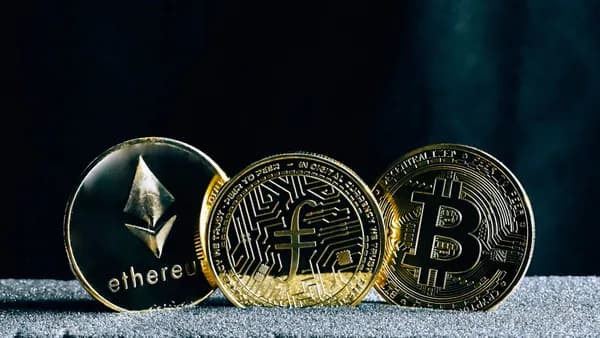
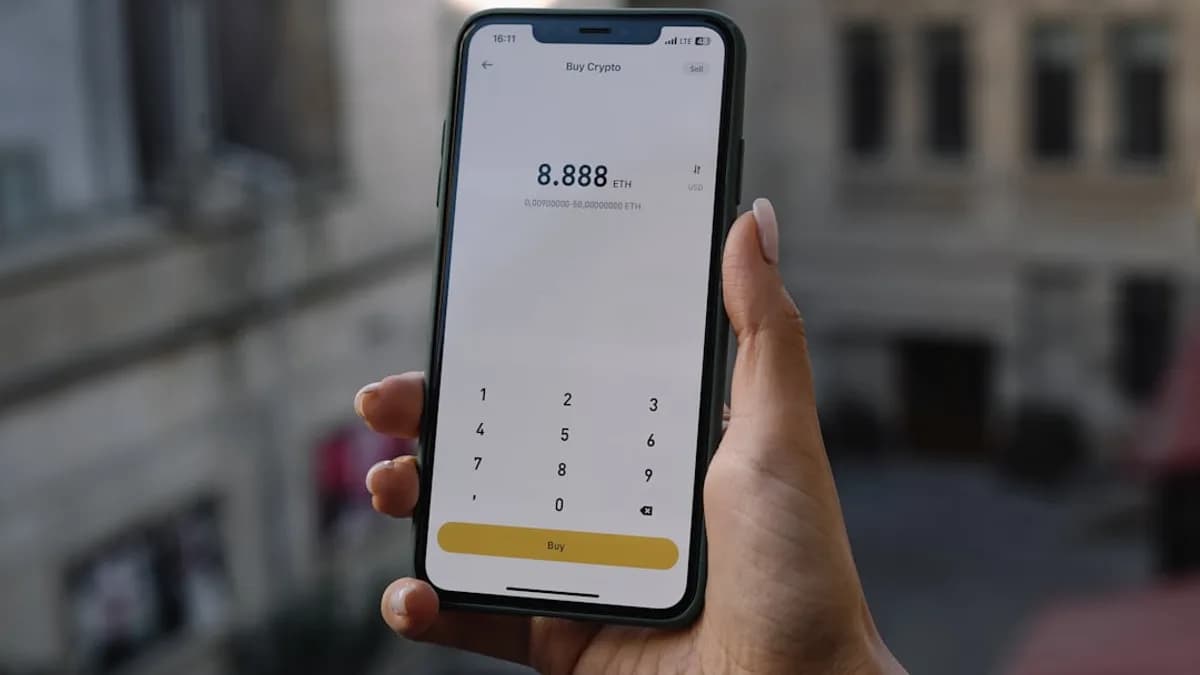
Bitmine just bought $234 million worth of Ethereum as tensions between the US and Iran heat up. This is a big move, and it caught the eye of many investors. Bitmine is a major player in the crypto world, and when they make a bet like this, people pay attention. The timing is important. When world events turn shaky, investors often look for safer places to put their money. Ethereum, the second-largest cryptocurrency after Bitcoin, has become a favorite for many big funds and companies. Bitmine’s massive purchase shows that even during times of uncertainty, some see digital assets as a smart way to protect wealth and maybe even grow it [Source: CryptoBriefing].
Understanding the Impact of Geopolitical Uncertainty on Cryptocurrency Demand
When there is trouble between countries, it often shakes up traditional markets. People worry that stocks might fall, or that their local currency could lose value fast. In the past, many turned to gold or US government bonds. These are known as “safe-haven” assets. They are supposed to hold their value, or even rise, when everything else seems risky.
But things are changing. Over the last few years, more investors have started looking at cryptocurrencies like Ethereum as a new kind of safe haven. Why? For one, crypto does not depend on any one country’s government or economy. It runs on a global network, and anyone can buy or sell, anytime. This makes it attractive when news headlines are full of war, sanctions, or unstable governments.
History backs this up. For example, when Russia invaded Ukraine in 2022, Bitcoin and Ethereum trading in both countries jumped. People wanted a way to move money fast, or get it out of their local currency. In countries with high inflation, like Venezuela or Turkey, folks use crypto to store value when their own money becomes nearly worthless.
Still, crypto is not the same as gold or bonds. It can swing much more wildly in price. One week, Ethereum might jump 10%, and the next it could fall just as fast. Even so, some investors believe the long-term trend is up, especially as more big companies and funds buy in.
Bitmine’s latest purchase is a sign that Ethereum is earning a spot next to gold and bonds in the minds of some big investors. When headlines talk of missiles, sanctions, or oil shocks, demand for digital assets often rises as people rush to find a safe place for their wealth.
Bitmine’s Strategic Move: What the $234M Ethereum Purchase Signals for Institutional Investors
Bitmine’s $234 million Ethereum buy is more than just a big trade—it’s a signal. When an important institutional player makes such a large move during times of trouble, it can tip off others that the crypto market is becoming a serious option for big money. Bitmine could have picked Bitcoin, which is more famous, but they chose Ethereum. Why?
Ethereum is not just a store of value. It’s a platform for smart contracts and decentralized apps. Big banks and tech companies are building new tools on Ethereum’s network. This gives it more uses and, some think, more staying power than other coins.
For other institutional investors, Bitmine’s move might lower the fear of jumping in. It’s a bit like the first penguin diving into cold water. Once one goes, the rest might follow. Seeing Bitmine commit so much money could push more funds, hedge funds, and even family offices to take Ethereum seriously. They may see it as a hedge—not just against inflation, but against the messiness of world politics.
Choosing Ethereum also sends a message about the future. Bitcoin is often seen as “digital gold”—good for storing value but not doing much else. Ethereum, on the other hand, is like digital oil. It powers new kinds of financial services, art markets, even games. Bitmine’s bet hints that they believe not just in crypto, but in the next wave of the digital economy.
This move could also push other institutions to rethink how they balance their portfolios. As more big names buy in, Ethereum may become a normal part of investment strategies, not just a risky side bet. All of this could help keep prices steady, even if the world gets messier.
Ethereum’s Market Resilience and Price Stability in Times of Crisis
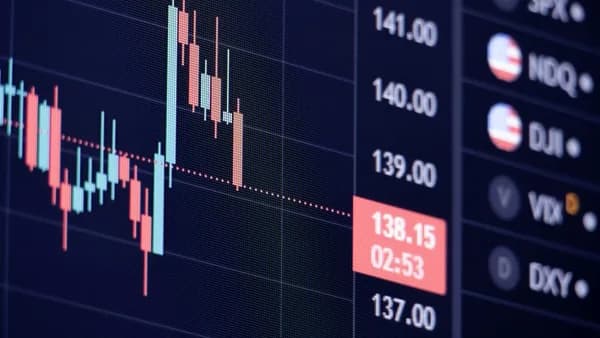
Ethereum has a reputation for bouncing back from shocks. Over the past year, its price chart has shown wild swings, but it keeps drawing buyers. For example, after the US-Iran conflict news broke, Ethereum’s price dipped only briefly before climbing again. It’s held above key levels, even while stocks and other assets have tumbled [Source: CryptoBriefing].
Why do investors trust Ethereum? Part of the answer is its strong network. Ethereum’s blockchain handles more transactions and hosts more projects than any other crypto system besides Bitcoin. Major updates—like the switch to proof-of-stake—have made it faster and greener, drawing in even more users and developers.
Another reason is the rise of stablecoins and DeFi (decentralized finance) apps, most of which run on Ethereum. Big investors like Bitmine see this as proof that Ethereum isn’t just a fad. It’s the backbone for a whole new kind of finance.
The fact that Ethereum has survived past crashes and hacks also adds to its appeal. Each time it falls, developers and the community respond with upgrades and fixes. This gives investors more confidence that the network will last, even during world crises.
Still, Ethereum is not immune to panic. Its price can drop quickly if there’s a big sell-off or new rules from governments. But the growing number of long-term holders, plus more institutional buyers, may help keep prices from falling too far. More than ever, Ethereum’s stability comes from its huge user base and its place in the digital economy.
Broader Implications: Could Geopolitical Tensions Sustain Long-Term Crypto Adoption?
If world tensions keep rising, will more investors turn to crypto for the long haul? The signs point to yes. Every time there’s a conflict—like the US-Iran crisis, the Ukraine war, or trade fights with China—searches for “Bitcoin” and “Ethereum” spike. Trading volumes often jump, too.
This steady drumbeat of global trouble is making more people see cryptocurrency as a backup plan. For people in countries with strict bank rules or high inflation, crypto is not just an investment; it’s a lifeline. For big funds, it’s a way to balance out risks they can’t control.
But there are hurdles. Governments are paying more attention to crypto as it grows. Some want to tax it, others want to ban it, and a few are building their own digital currencies. If rules get too strict, it could scare off some investors, or push parts of the market underground.
Market risks also remain. Crypto prices are still tied to hype, headlines, and sometimes wild guesses. If a big exchange gets hacked or a new law hits, prices can crash fast. Long-term adoption will depend on better security, clearer rules, and tools that make crypto easy to use for everyone.
Ethereum is well-placed for this future. Its network supports everything from payments to art sales to borrowing money. With more projects building on Ethereum, it acts like a “digital backbone” for the new financial system. Bitmine’s big buy shows that at least some big investors believe Ethereum is here to stay, even if the world gets messier.
Looking forward, if global trouble keeps driving investors into crypto, we may see Ethereum become as normal in portfolios as stocks or bonds. But for this to last, the market needs to keep building trust, solving technical problems, and working with (not against) the rules governments set.
Conclusion: Bitmine’s Ethereum Investment as a Barometer for Crypto’s Role in Global Finance
Bitmine’s $234 million Ethereum buy is more than just a headline—it’s a snapshot of how crypto is growing up. As world tensions rise, big investors are looking for new ways to protect their money. Ethereum, with its strong network and growing uses, is becoming a serious option.
Moves like Bitmine’s show that crypto isn’t just for tech fans or speculators anymore. It’s starting to play a real role in global finance. The next few years will show if more funds and companies follow Bitmine’s lead, especially as geopolitical risks keep making old “safe havens” feel less safe.
For investors and market watchers, the lesson is clear: watch what the big players do, not just what they say. Bitmine’s bet on Ethereum could be a sign of where smart money is headed as the world changes—and it’s worth paying attention to every step of the way.
⚠️ Disclaimer: This article is for informational purposes only and does not constitute financial advice. Always do your own research before making investment decisions.
Why It Matters
- Bitmine’s $234M Ethereum purchase signals growing trust in crypto as a safe-haven asset during global instability.
- Geopolitical tensions like the US-Iran conflict are driving investors to diversify away from traditional markets.
- This move could influence other institutional investors to consider digital assets for risk protection.