Introduction: Trump’s Stance on Airline Industry Consolidation and Spirit Airlines
Donald Trump says no to the idea of a mega-merger between United and American Airlines. At the same time, he wants Spirit Airlines to get a new owner. Trump’s stance comes as airline mergers and deals grab headlines. Merging big airlines could change everything for travelers, workers, and investors. But Trump is not impressed by the talk of United and American joining forces. He thinks it would hurt competition and travelers, so he is pushing back hard. While shutting down the merger rumors, Trump is busy looking for buyers for Spirit Airlines, which is struggling to stay afloat. His moves send a clear message: he wants more choices for travelers, not fewer. These decisions could shape the entire airline industry, especially as many airlines look for ways to survive and grow [Source: Google News].
Background: Current State of the U.S. Airline Industry and Recent Merger Talks
The U.S. airline industry has a long history of mergers. Over the last 20 years, big deals have made airlines larger and cut down on competition. Delta and Northwest merged in 2008. United and Continental joined in 2010. American Airlines and US Airways became one in 2013. Each merger left fewer airlines and bigger companies.
Rumors about United and American Airlines merging have made waves lately. If it happened, this deal would create the world’s largest airline, with huge control over flights, prices, and routes. But many industry experts and investors worry it might lead to higher ticket prices and less choice for travelers. Stocks reacted quickly. American Airlines shares dropped after the company dismissed talk of the merger [Source: Google News]. United shares stayed steady, but the news left many wondering what comes next.
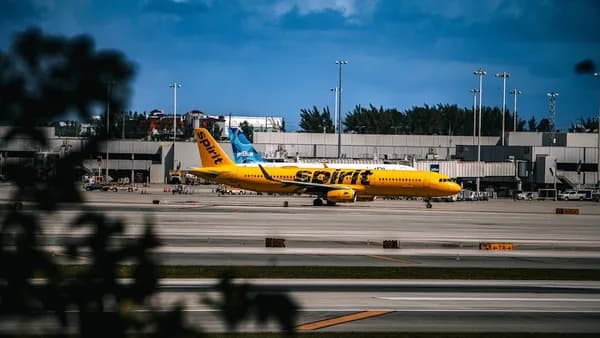
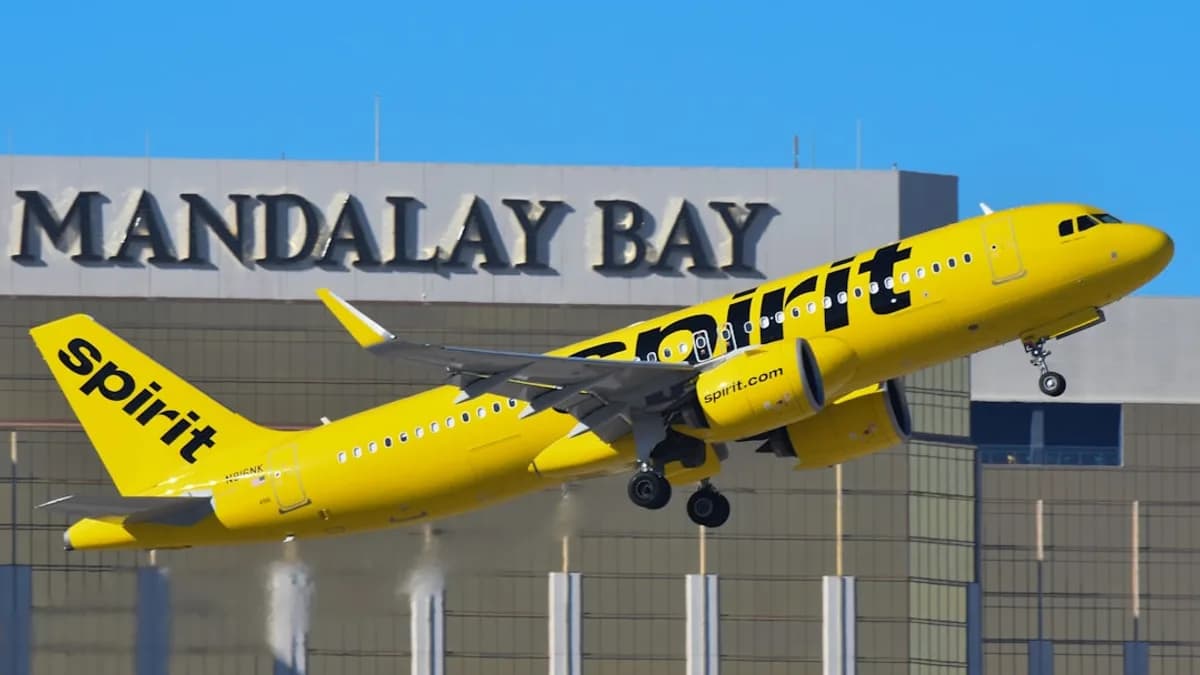
Spirit Airlines is at the center of all this. Known as a budget airline, Spirit gives travelers cheap fares for no-frills flying. Spirit’s market share is smaller, but it matters because it offers low-cost options and keeps prices in check. After a failed merger with JetBlue earlier this year, Spirit is now looking for a new buyer. Potential suitors include other airlines and investment groups. Whoever buys Spirit could reshape the industry by adding new routes or lowering fares.
Industry sentiment is mixed. Some leaders want more mergers to help airlines survive tough times. Others warn that too much consolidation will hurt customers and workers. Investors are watching closely, as every rumor or deal can swing stock prices up or down.
Trump’s Opposition to the United-American Airlines Merger: Motivations and Implications
Trump’s reasons for dismissing the United-American merger are clear. He worries it would cut competition, raise prices, and make flying worse for most people. With fewer big airlines, travelers could lose out on choices and face higher costs. Trump’s stance is also political. He knows that voters care about airline prices and service, especially as travel rebounds after the pandemic. He wants to look tough on big business deals that could hurt regular people [Source: Google News].
Economically, the merger would create a giant airline with huge power. It could control more than half of U.S. flights and set prices for everyone else. That’s a problem for smaller airlines and travelers. Trump’s opposition matches concerns from regulators at the Department of Justice and Federal Trade Commission. These agencies have blocked big airline mergers before, saying they harm competition and break antitrust rules.
Industry leaders have mixed feelings. Some believe merging could help airlines survive higher costs and tough competition. Others fear it would kill off smaller airlines and leave customers with fewer choices. American Airlines’ CEO has been vocal about not wanting a deal right now, telling rivals to “butt out” and focus on their own business [Source: Google News]. United’s leaders have stayed quiet, but many inside the company are watching Trump’s moves closely.
If Trump keeps pushing back, the merger is unlikely to happen. His influence could also make it harder for big airlines to try deals in the future. For now, his message is simple: keep airlines competing and protect travelers from losing options.
Spirit Airlines as a Strategic Asset: Why Trump Seeks Suitors and What It Means
Spirit Airlines may be small, but it plays a big role. It offers cheap flights and keeps other airlines honest on pricing. Trump wants Spirit to find a buyer because he sees it as a way to protect low fares and competition. If Spirit disappears, ticket prices could jump, and travelers would have fewer choices.
Spirit’s value comes from its routes and low-cost business model. It flies to popular spots in the U.S., Latin America, and the Caribbean. Potential buyers include airlines like Frontier, which also focus on budget travel. Private equity firms might be interested too, hoping to turn Spirit around and sell it later for a profit.
If Spirit is sold, the buyer could use its planes and routes to grow fast. They might add new destinations or offer even lower fares, forcing bigger airlines to compete. But if a big airline buys Spirit, it could mean fewer cheap flights and less competition. This is why Trump is so involved. He wants a deal that keeps Spirit’s low-cost model alive.
Trump’s influence matters. He can encourage buyers and set conditions to protect travelers. He might push for buyers who promise to keep prices low and grow Spirit’s reach. His actions will shape how the sale plays out and could set the tone for other deals in the industry.
Broader Industry and Economic Implications of Airline Mergers and Acquisitions
When big airlines merge, prices usually go up. Fewer competitors means less pressure to keep fares low. Service quality can drop, as giant companies cut costs and focus on profits. Travelers often lose out on options, with fewer flights and routes.
Regulators are worried about these problems. The Department of Justice and other agencies watch mergers closely. They check if deals break antitrust rules or hurt consumers. Getting approval for a big merger like United and American would be tough. Past deals faced long reviews and even lawsuits.
Consolidation affects more than just prices. It changes jobs, as merged airlines cut staff and close offices. Regional airports can lose flights, hurting local economies. Big airlines may drop less profitable routes, leaving small towns with fewer travel options. This can make it harder for people to get to work, visit family, or do business.
For investors, mergers bring risks and rewards. Shares can surge if a deal looks good, or drop if it faces trouble. Airlines need to prove they can profit from mergers without losing customers. The industry’s long-term outlook depends on how well airlines balance growth, competition, and service.
As airlines keep merging, the industry becomes more concentrated. This can make it harder for new players to enter the market. Travelers and workers worry about losing choices and jobs. Regulators and politicians, like Trump, must decide how much consolidation is too much.
Conclusion: Assessing the Future of U.S. Airlines Amid Political and Market Pressures
Trump’s voice is loud in the debate over airline mergers. He has stopped talk of a United-American deal and pushed for Spirit Airlines to find a new buyer. His moves could mean more choices and lower fares for travelers, at least for now. The future of Spirit Airlines and merger talks will depend on who steps up to buy and how regulators react.
For consumers, the stakes are high. More mergers could mean higher prices and fewer options. Investors must weigh the risks of deals facing political and regulatory hurdles. Policymakers will need to balance industry health with protecting travelers. As the airline industry keeps changing, Trump’s actions show that who owns what matters to everyone flying. The next big deal could reshape travel for years to come. Stay tuned as new buyers and fresh merger rumors take off.
Why It Matters
- Trump’s opposition to mega-mergers could preserve competition and keep airfares in check.
- Spirit Airlines’ uncertain future may affect travel options and affordability for millions.
- Decisions on mergers and acquisitions will shape the structure and choices in the U.S. airline industry.