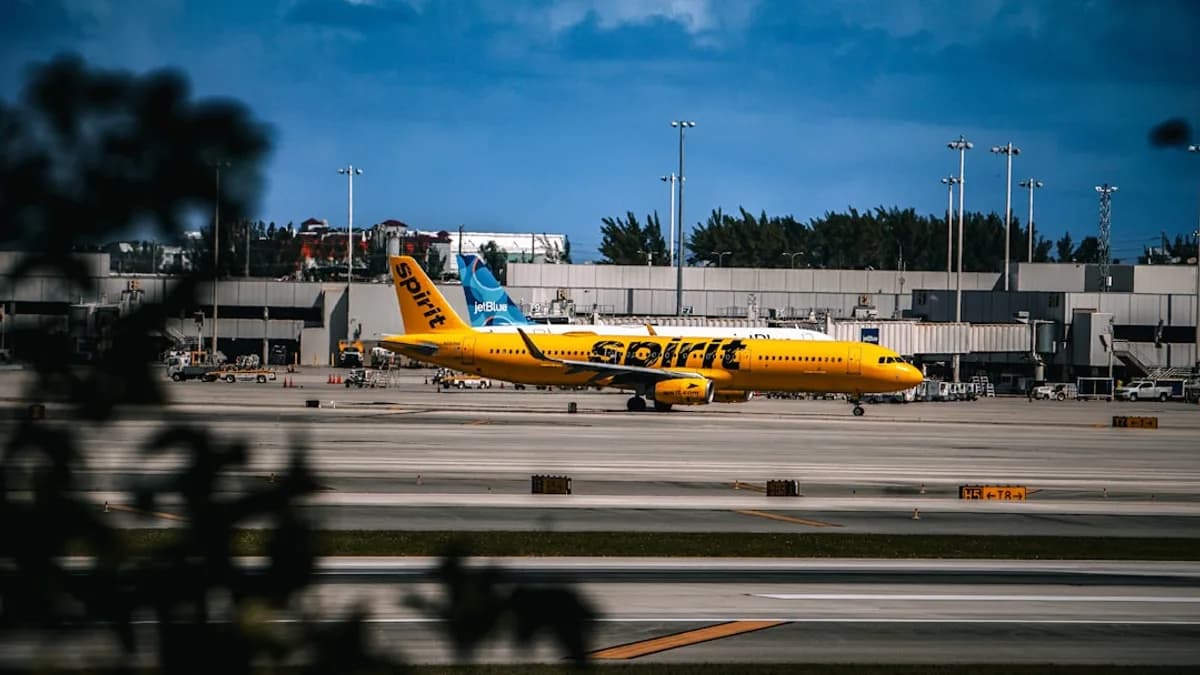
Introduction to the Trump Administration’s Bailout Talks with Spirit Airlines
The Trump administration is close to giving Spirit Airlines a $500 million bailout, according to news reports [Source: Google News]. These talks are happening because Spirit needs help to survive. The airline has struggled as fewer people fly, especially during the pandemic. Spirit is one of the largest budget carriers in the U.S., so its troubles matter to millions of travelers and thousands of workers.
The government has stepped in to help airlines before, but this deal stands out. Spirit has never gotten this kind of direct support. The bailout is meant to stop Spirit from running out of money and keep its planes flying. For now, the talks are not final, but sources say a rescue package could be announced soon.
Details of the Proposed Spirit Airlines Rescue Package
The deal would give Spirit Airlines a $500 million loan, backed by the government [Source: Google News]. This money is meant to help the airline cover its bills and avoid layoffs. The loan terms are still being worked out. Usually, government loans like this come with strict rules. Spirit may have to promise not to cut too many jobs or pay big bonuses to top leaders.
Sources say the deal could close in the next few weeks. If Spirit agrees, the money could arrive quickly. The government is trying to act fast because Spirit’s cash is running low. White House officials and Spirit’s top executives have been in talks almost every day.
The Trump administration is leading the rescue. Officials want to make sure Spirit stays in business, so travelers have more choices and ticket prices stay low. The government’s role is mainly to provide funding and set rules for how Spirit uses the money.
Past bailouts for airlines, like those during the early COVID-19 lockdowns, often included both loans and grants. This time, Spirit’s package looks like a loan only. If Spirit cannot pay back the loan, the government could end up owning part of the company. That risk is one reason why the talks are careful and complex.
Financial and Operational Challenges Facing Spirit Airlines
The pandemic hit Spirit Airlines hard. When travel stopped in 2020, Spirit lost most of its income. Even now, fewer people are flying than before. Spirit relies on high passenger numbers and tight budgets. When seats are empty, the airline’s losses grow fast.
Spirit’s costs did not drop as quickly as its revenue. Planes still need to be maintained, and crews must be paid. Airports charge fees whether planes are full or not. This mismatch has drained Spirit’s cash. The airline has tried to cut costs, but there is only so much it can do.
Operational challenges have made things worse. Spirit faced delays, cancellations, and staffing shortages. These problems hurt its reputation and pushed travelers to other airlines. At the same time, rising fuel prices made flying even more expensive.
The bailout aims to fix these problems by giving Spirit the money it needs to keep running. The loan should help Spirit pay its workers, keep its planes flying, and avoid bankruptcy. Without this support, Spirit might have to cut routes, ground planes, or even shut down.
Keeping Spirit afloat matters for the airline’s workers. Spirit employs thousands of pilots, flight attendants, mechanics, and office staff. If the company fails, these jobs could disappear. The bailout is meant to protect jobs and keep Spirit’s business stable until travel demand returns.
Implications of the Bailout for Investors and Industry Stakeholders
Citadel, a big investment firm, has put money into Spirit Airlines for years [Source: Google News]. Now, Citadel faces new risks. The government bailout could change how Spirit is run. Sometimes, government loans come with rules about spending or leadership. That could limit Citadel’s ability to influence the company.
Other investors are watching closely. If the bailout gives the government too much control, shareholders might worry about their profits. Some might sell their shares or push for changes. On the other hand, a rescue could make Spirit safer and more stable, which is good news for investors.
Competitors are also paying attention. If Spirit gets help, other budget airlines may ask for bailouts too. This could change the way the whole industry works. Airlines that do not get help might find it harder to compete. The government’s move sends a signal: it is willing to step in if companies are in trouble.
The bailout also raises bigger questions. Should the government keep saving airlines when they get into trouble? Some people say these bailouts are needed to protect jobs and keep travel affordable. Others think companies should take care of themselves and not rely on taxpayers.
For industry stakeholders, this deal could reshape the airline business. It may set new standards for how airlines handle crisis. Investors now must factor in the chance of government intervention when they decide where to put their money. If bailouts become common, airlines may feel less pressure to save cash or plan for bad times.
Past examples show how bailouts can change industries. During the 2008 financial crisis, banks got government help. They survived, but new rules changed how they operated. For airlines, the Spirit deal could be the start of new government rules and oversight. Investors and companies will have to adjust.
Contextualizing the Spirit Airlines Bailout Within the Trump Administration’s Aviation Policies
The Trump administration has helped airlines before. Early in the pandemic, it gave billions to big carriers like Delta, United, and American. Those bailouts mixed grants and loans. Spirit got some help then, but not a direct rescue like this one.
This new deal fits the administration’s push to support jobs and keep travel cheap. President Trump often said he wanted to protect American companies. For Spirit, the bailout is about saving a low-cost airline that serves smaller cities and budget travelers.
Politically, the Trump team wants to avoid job losses and business failures ahead of elections. Helping Spirit keeps workers employed and stops fares from rising. The administration also wants to show it can handle economic shocks and keep key industries running.
Compared to past bailouts, this deal is smaller and more targeted. Spirit is not as big as Delta or United, but it plays a special role. The administration is focusing on companies that matter for regular people, not just big names.
In the bigger picture, this bailout is part of the government’s plan to keep the transportation sector strong. Airlines connect cities, move people, and support tourism. If one airline fails, it can hurt airports, hotels, and local economies. The Trump administration sees Spirit as a piece of this puzzle.
Conclusion: What the Spirit Airlines Bailout Means for the Future of the Airline Industry
Spirit Airlines is set to get a $500 million bailout from the Trump administration, with talks almost finished [Source: Google News]. This rescue could help Spirit survive tough times and protect thousands of jobs. It shows how important government support is when crises hit.
The bailout’s ripple effects will reach investors, competitors, and the whole airline industry. It may push other airlines to ask for help and could lead to new rules for how airlines operate. For Spirit, the deal means a fresh chance to recover and grow.
As travel picks up again, Spirit and the industry will face new challenges. Government bailouts may become part of the airline business for years to come. Travelers, workers, and investors will watch how Spirit uses its bailout and what rules come next. The story isn’t over yet — the next chapter will shape how airlines handle crises and what role the government plays.
Why It Matters
- The bailout aims to keep Spirit Airlines operational, preserving competition and low fares for travelers.
- Thousands of jobs at Spirit Airlines are at stake if the company runs out of cash.
- Government intervention in private airlines sets an important precedent for future industry rescues.