Why Trump's Approval of Keystone Light Pipeline Shakes Up North American Energy Politics
Trump’s greenlight for the Keystone Light pipeline isn’t just another headline—it’s a calculated move that resets the tug-of-war over who controls North America’s oil flows. By fast-tracking a cross-border pipeline, the administration signals a pivot from risk-averse energy policy to a bolder, pro-export stance, one that bucked Obama-era hesitations and environmental pushback. The timing is as pointed as the decision: Trump’s approval lands amid volatile oil prices, growing U.S. refinery demand for Canadian crude, and an election cycle where energy independence is political gold.
For Canada, this pipeline means finally sidestepping bottlenecks that have stunted its oil export ambitions. The U.S., meanwhile, positions itself as the gatekeeper for continental energy supply—potentially squeezing OPEC’s leverage and strengthening its hand in global oil negotiations. This isn’t just about barrels and dollars; it’s about recalibrating the balance of power between North America and traditional energy giants.
The move also telegraphs a disregard for the environmental stalemate that froze previous pipeline attempts. Trump’s administration is betting that job creation and economic stimulus will drown out opposition, leveraging political capital to push through what previous leaders hesitated to touch. According to Yahoo Finance, the approval is as much about optics—American energy strength—as it is about substance.
Breaking Down the Keystone Light Pipeline: Capacity, Route, and Economic Impact
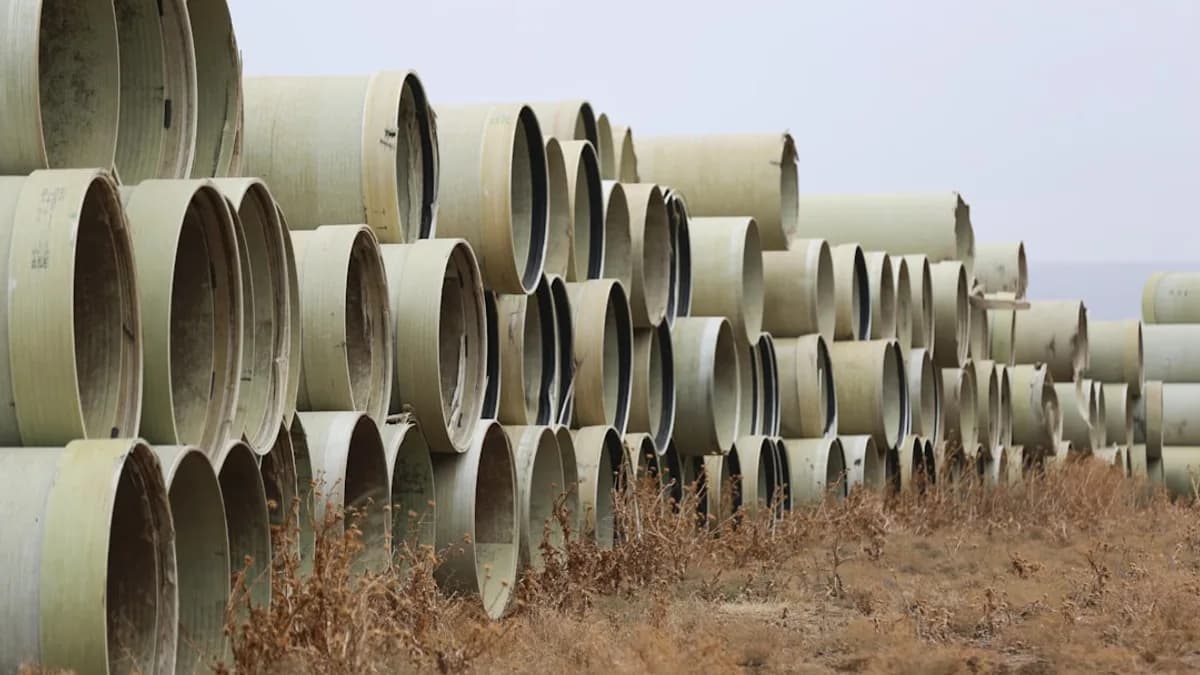
Keystone Light isn’t a scaled-down version of Keystone XL—it’s a strategic realignment. The pipeline stretches roughly 1,200 miles from Alberta’s oil sands to refineries in the Midwest, targeting a throughput of 500,000 barrels per day. That’s modest compared to Keystone XL’s proposed 830,000 bpd, but enough to significantly boost Canadian exports and fill U.S. refinery gaps left by declining Venezuelan and Mexican supply.
The route follows established corridors, minimizing the need for fresh land acquisition and sidestepping some of the most contentious indigenous territories. This calculated path trims permitting battles and regulatory delays—at least on paper. Construction is projected to create 4,000 direct jobs and support thousands more in related industries, injecting an estimated $2 billion into regional economies during the build-out phase. Once operational, annual tax revenues for U.S. states along the route are expected to top $100 million.
But environmental concerns haven’t vanished. The project faces scrutiny over potential spills, waterway crossings, and incremental carbon emissions. The Environmental Protection Agency flagged risks to the Ogallala Aquifer and migratory habitats. Still, Keystone Light’s narrower footprint and updated leak detection tech aim to mollify critics, though skepticism remains.
Regulatory hurdles persist. The National Energy Board in Canada and the U.S. Department of State must still sign off on cross-border transit, and state-level permitting in Montana and Nebraska has triggered legal challenges. Even so, Trump’s executive order accelerates federal review, setting up a race between economic urgency and environmental litigation.
Historical Pipeline Projects and Their Lessons for Keystone Light’s Future
Keystone Light’s path is littered with lessons from its predecessors. The original Keystone XL became a symbol of political gridlock, environmental protests, and legal warfare, stalling for over a decade before Biden’s administration finally pulled the plug in 2021. That saga cost TransCanada (now TC Energy) over $1.3 billion in sunk costs and sparked a wave of grassroots activism that still energizes opposition today.
The Trans Mountain pipeline expansion, another Canadian export route, battled years of lawsuits and regulatory rewrites, ultimately inflating its budget from $7.4 billion to nearly $30 billion. Enbridge’s Line 3 replacement, completed in 2021, faced similar hurdles—court challenges, water permit disputes, and local resistance—but succeeded by negotiating with indigenous groups and ramping up environmental monitoring.
Keystone Light’s planners learned from these failures. They’ve streamlined the route, doubled down on stakeholder consultations, and invested in leak detection systems. But the playbook isn’t foolproof: past projects show that regulatory wins can be reversed by shifting political winds, especially when climate policy is on the ballot. If midterm elections flip Congressional control or Canadian leadership changes, Keystone Light could face the same whiplash that doomed XL.
Diverse Stakeholder Perspectives on Keystone Light: Industry, Environmentalists, and Governments
The oil industry is bullish. Canadian producers, led by Cenovus and Suncor, finally see a path to reduce their discount on Western Canadian Select crude, which has hovered $10-$20 below WTI due to export bottlenecks. U.S. refiners, especially in the Midwest and Gulf Coast, welcome cheaper feedstock to offset shrinking imports from Latin America. Energy lobbyists argue that the pipeline will insulate North America from global supply shocks, citing the 2022 spike when Russian crude disappeared from Western markets.
Environmental groups, led by the Sierra Club and Greenpeace, aren’t buying it. They warn that Keystone Light locks in decades of carbon emissions and risks catastrophic spills, especially across sensitive aquifers and farmland. Their strategy has shifted since Keystone XL—from mass protests to targeted lawsuits and leveraging state-level review boards. Indigenous communities, particularly the Blackfeet and Rosebud Sioux, demand more consultation and argue that treaty rights have been sidelined in the rush to approve.
Government officials are split. Alberta’s premier touts Keystone Light as a “lifeline” for provincial revenues, projecting $1 billion in additional royalties by 2030. U.S. governors along the route tout jobs and tax windfalls, but states like Nebraska and Montana face pressure from activist groups and landowners wary of eminent domain seizures. The Biden administration’s silence is telling; while Trump’s executive order speeds federal review, future administrations could revisit permits if political winds shift.
Quantifying the Impact: Data on Oil Production, Export, and Market Influence from Keystone Light
Keystone Light’s 500,000 bpd capacity is a meaningful boost for Alberta, whose oil sands production averages 3.5 million bpd but faces chronic export congestion. The pipeline could increase Canadian crude exports to the U.S. by 15%, narrowing the price gap between Western Canadian Select and WTI. If fully utilized, Keystone Light would account for about 5% of U.S. daily oil consumption—a non-trivial share for a single pipeline.
Trade balances stand to shift. Canada exported $90 billion in crude oil to the U.S. in 2023, with pipelines carrying over 70% of those volumes. Keystone Light could push that figure higher, especially as U.S. refineries seek alternatives to unreliable foreign sources. Analysts expect the pipeline to modestly dampen Midwest gasoline prices by up to 5 cents per gallon, though global oil markets are likely too large for a single pipeline to move the needle much.
The project’s scale aligns with growing North American demand. The EIA estimates U.S. oil consumption will hit 20.7 million bpd in 2025, up from 19.8 million in 2023, driven by post-pandemic economic rebound and petrochemical growth. Keystone Light positions both countries to capitalize on this uptick, but its long-term relevance hinges on whether electric vehicle adoption and renewables keep eroding oil’s share of the energy mix.
What Keystone Light Means for Energy Industry Stakeholders and Regional Economies
Energy companies see opportunity: a new export route means higher margins and less volatility for Canadian producers, while U.S. refiners gain access to reliable, discounted crude. Investors are watching for signals on regulatory risk—pipeline stocks rallied 3-5% following Trump’s announcement, but sustained gains depend on construction milestones and legal clarity.
Labor markets get a short-term jolt. Pipeline construction could add 4,000 direct jobs, with ripple effects for welders, truckers, and equipment suppliers. Local economies along the route stand to benefit from tax revenue and spending, but the jobs are mostly temporary—once the pipeline is complete, employment drops back to maintenance crews and operations staff.
Environmental regulation remains a wild card. Trump’s approval sidesteps some federal reviews, but state and local agencies retain veto power over water permits and land use. If lawsuits succeed, delays could inflate costs and spook investors, mirroring the fate of Keystone XL and Trans Mountain. Policy shifts—especially if Democrats retake the White House or majorities in Congress—could upend permits or impose new climate requirements.
Forecasting the Future: Potential Scenarios for Keystone Light Amid Global Energy Transitions
The pipeline’s fate will be shaped by more than just lawsuits—it’s tied to the global push toward decarbonization. If electric vehicles and renewables accelerate, North American oil demand could plateau by the late 2020s, leaving Keystone Light underutilized. But if economic growth and petrochemical demand outpace climate policy, the pipeline could remain a vital artery for decades.
Political risk looms large. A change in U.S. or Canadian leadership could trigger new reviews, permit withdrawals, or regulatory tightening, especially as climate goals become central to electoral platforms. Legal challenges from indigenous groups or environmental NGOs could stall construction or force route changes. Investors will watch for signals from courts and regulatory agencies—if delays mount, expect pipeline stocks to retreat and capital to flow elsewhere.
Over the next decade, Keystone Light could either cement North America’s energy independence or become another stranded asset forced to compete with increasingly cheap renewables. The likeliest scenario: the pipeline gets built, faces ongoing legal and political turbulence, but operates below full capacity as market dynamics shift. For energy stakeholders, the lesson is clear—betting on pipelines is now as much about navigating political cycles as calculating barrels and margins.
Impact Analysis
- Trump’s approval shifts U.S. energy policy toward pro-export and economic growth.
- Canada gains a new outlet to bypass export bottlenecks and boost oil revenues.
- The move could reduce OPEC’s influence and reshape global oil negotiations.