Introduction: Trump Administration’s Unexpected Move to Support Spirit Airlines
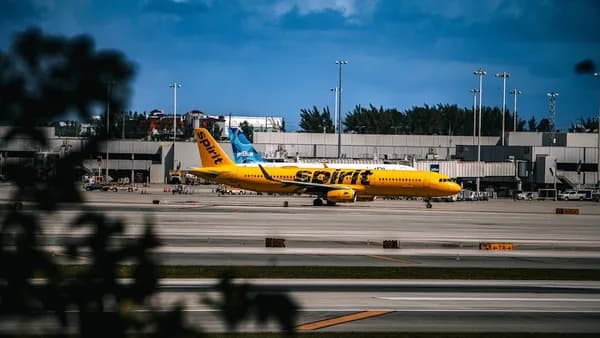
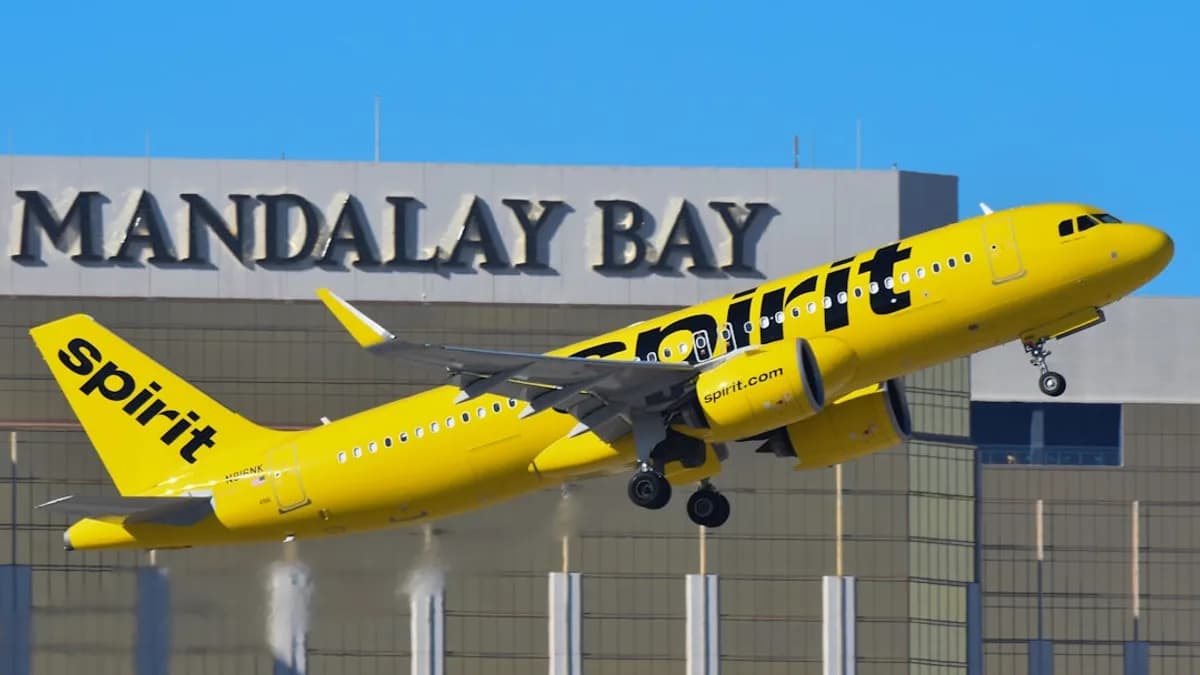
The Trump administration is close to giving Spirit Airlines a $500 million bailout, hoping to keep the low-cost carrier flying as it faces deep financial trouble [Source: Google News]. Talks about the rescue package have been moving fast, with government officials and airline leaders working on a loan deal that could stop Spirit from shutting down. Some are calling this move “the Amtrak of the skies,” since it looks a lot like how the government stepped in to save Amtrak, the national rail service, decades ago. This is a rare moment—Washington hasn’t often stepped in to help private airlines, especially one as small as Spirit. The bailout could change how we think about government help for struggling companies, and it’s stirring up debate across the industry.
Background: Spirit Airlines’ Financial Challenges and Industry Position
Spirit Airlines has been getting squeezed for months. The company’s cash reserves dropped fast after a rough year, with high fuel prices, fewer travelers, and tough competition from bigger airlines [Source: Google News]. Spirit is known for cheap fares and no-frills service, but that business model can be risky when costs jump or demand falls. The airline carved out a niche—offering budget flights to cities that don’t always get much attention from major carriers.
But lately, Spirit has struggled to fill its planes and make money. It faces stiff competition from giants like Delta, American, and Southwest, who can afford to lower prices and still stay profitable. Smaller rivals, like Frontier, fight for the same bargain-hunting customers. Spirit’s debts piled up, and credit ratings sank. The company warned it might run out of cash and have to shut down unless it got help soon. If Spirit were to liquidate, that would mean fewer flight choices for millions of travelers—especially those who count on low fares.
Details of the Trump Administration’s Rescue Package for Spirit Airlines
The proposed $500 million rescue comes as a government-backed loan, not a direct cash gift [Source: Google News]. Spirit would get the money to cover operating costs, pay employees, and keep planes flying while it works to rebuild its finances. The government would likely set terms to make sure Spirit pays the loan back, possibly with interest or other conditions.
Officials say the reason for stepping in is simple: Spirit’s collapse could hurt competition and leave many travelers stranded. The administration wants to keep the airline alive to protect jobs and keep fares low, especially in cities where Spirit is the main carrier. This is not the first time Washington has helped transportation companies. Amtrak was saved with federal money in the 1970s. Airlines also got bailouts after 9/11 and during the COVID-19 pandemic—though those funds mostly went to bigger players.
This new deal is different because Spirit is small, and the government rarely helps budget airlines. The rescue package is stirring questions about how far Washington will go to keep companies afloat, and who gets help when times are tough.
Implications of the Bailout: Impact on the Airline Industry and Market Competition
Spirit’s bailout could shake up the airline industry. If Spirit survives, it means more competition among low-cost carriers. That could keep fares down for travelers, especially those who can’t afford pricier tickets. It also sets a new standard—budget airlines may expect help if they hit trouble, which could change how they plan for risk.
But there are risks. If the government keeps bailing out airlines, companies might take bigger risks, thinking Washington will step in if things go wrong. This could make the industry less stable over time. Taxpayers might worry about footing the bill if Spirit doesn’t recover or repay its loan. The rescue also makes it harder for other airlines to compete, since Spirit gets a safety net others don’t.
For travelers, the bailout could mean more flight choices and lower prices, at least for now. Spirit has routes to cities that don’t see much service from other airlines, so keeping it alive could help people in those places. But if Spirit’s business stays shaky, the government might have to step in again—or risk seeing the airline collapse later. Analysts say this could encourage more government involvement in the industry, with Washington playing a bigger role in deciding which airlines live or die.
Political and Economic Analysis: Trump’s Interventionism and Its Broader Significance
President Trump’s push to save Spirit Airlines fits with his history of using government power to protect jobs and American companies. It’s a big shift from the usual hands-off approach to private business. By stepping in, Trump is signaling that he sees air travel as a basic service—like trains, roads, or mail—that deserves government support when things get tough.
The “Amtrak of the skies” idea shows how the bailout echoes past moves. In the 1970s, Amtrak got federal money to keep passenger rail alive, after private companies pulled out. Since then, Amtrak has relied on government support to run trains across the country. Critics say this creates dependency and limits competition, but fans argue it keeps vital services going.
The Spirit bailout is smaller than the COVID-19 airline rescue, which gave billions to big carriers. But both cases show Washington’s willingness to step in when travel is at risk. The Trump administration argues that helping Spirit protects jobs, keeps fares low, and makes sure cities don’t lose connections. Some say this is political—Trump wants to look like a champion for workers and travelers, especially in an election year.
But there are worries, too. Intervention can make markets less efficient, and it risks picking winners and losers. If the government helps Spirit, other airlines may ask for help in the future, leading to more bailouts and less competition. Economists debate whether this is good for the country. Some say it keeps costs down and saves jobs; others warn it creates moral hazard, where companies take risks knowing the government will save them.
Long-term, this sets a precedent. Washington may get more involved in the airline business, making rules about who gets help and when. This could change how airlines work, plan, and compete. It might also shift how travelers think about air travel—as a public service, not just a business.
Conclusion: Evaluating the Future of Spirit Airlines and Government Role in Aviation
The Trump administration’s plan to bail out Spirit Airlines could save the carrier from collapse and protect cheap flights for millions [Source: Google News]. But it also sets a new standard for government help in the airline business. If Spirit survives, it may lead to more intervention in the future—especially when small carriers struggle.
The rescue package raises big questions about competition, taxpayer risk, and how far Washington should go to protect private companies. Spirit’s fate will show whether this kind of intervention can keep airlines healthy, or if it simply delays tough choices. For travelers and industry insiders, the real test will be what happens next—will Spirit thrive, or will government support become a regular part of the airline business? The answer could shape the future of flying in America.
Why It Matters
- Government intervention could reshape how bailouts are handled for private companies in the airline industry.
- Millions of travelers, especially budget-conscious ones, may lose flight options if Spirit collapses.
- The bailout sets a precedent for future support of struggling businesses beyond traditional sectors like rail.