Introduction to the Spirit Airlines Rescue Package Talks
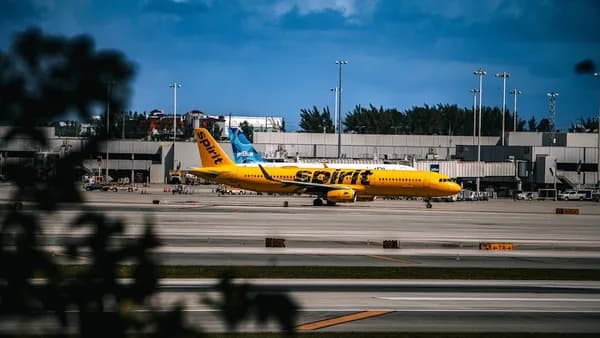
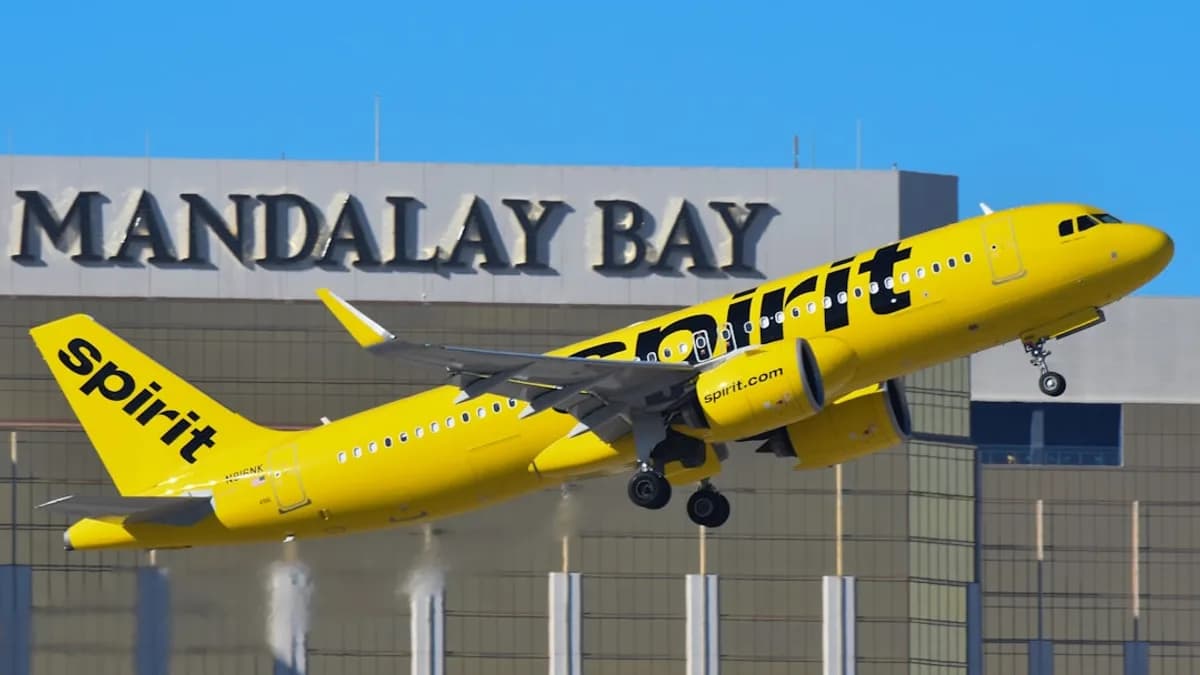
Spirit Airlines is close to getting a $500 million rescue package from the Trump administration, according to a source familiar with the talks [Source: Google News]. The airline is in deep financial trouble and could soon face bankruptcy. Officials from the Trump team are working on a deal to help Spirit stay in business. This rescue package could decide whether Spirit survives or shuts down. If Spirit folds, it could shake up the whole airline industry, affecting prices, jobs, and routes. The deal is drawing a lot of attention because Spirit is one of the largest budget airlines in the U.S., and its problems come as the travel industry faces big challenges.
Background: Spirit Airlines’ Financial Challenges and Bankruptcy Risks
Spirit Airlines has been struggling for months. The company reported losses in recent quarters and is dealing with heavy debt. Spirit’s cash reserves are running low, and it’s having trouble paying bills and keeping planes flying. The airline’s business model relies on offering cheaper fares than most rivals, but that means it operates on thin margins. When travel demand dropped and fuel prices jumped, Spirit’s profits vanished.
Competition is fierce. Larger airlines like Delta, American, and United have more money and can weather tough times better. Spirit, with fewer resources, has found it hard to keep up. In the past year, Spirit tried to merge with other airlines, including Frontier, but these deals fell through. That left Spirit on its own, facing higher costs and not enough passengers.
Bankruptcy risk is real. Spirit has warned investors that without new funding or a buyer, it might not make it through the year. The company has already cut some routes and delayed new plane orders. Its stock price has dropped sharply, and credit agencies have lowered their ratings, signaling distress. Many experts say Spirit’s problems show how tough the airline business is, especially for smaller carriers with less room to move.
Details of the Trump Administration’s Proposed Rescue Package
The Trump administration is preparing a rescue package worth about $500 million to help Spirit Airlines [Source: Google News]. This money would give Spirit breathing room to pay debts, keep flights running, and avoid bankruptcy. The deal is being negotiated by government officials and industry leaders. Agencies like the Department of Transportation and Treasury are likely involved.
The rescue package could come with strings attached. Spirit may need to commit to keeping certain routes open, protecting jobs, or changing its business plan. The government often asks for these guarantees to make sure public money helps both the airline and its customers.
This isn’t the first time the government has stepped in to help airlines. During the COVID-19 pandemic, several U.S. carriers received billions in aid. Airlines like Delta, United, and American got help to pay workers and keep planes in the air. The Spirit deal is smaller but still important, since it targets a budget airline that serves millions of travelers.
Rescue talks usually focus on keeping the company alive while also protecting taxpayer money. Officials may ask for partial ownership or future repayments. They also look for ways to make sure the airline doesn’t just use the money and collapse later. The Spirit deal is a sign the government wants to keep air travel affordable and prevent big disruptions.
Potential Impact of Spirit Airlines’ Liquidation on the Airline Industry
If Spirit Airlines shuts down, the effects could ripple across the airline industry. Spirit is known for low fares and no-frills service. Losing Spirit would mean fewer options for travelers who want cheap flights. This could lead to higher prices, since other airlines might not feel pressure to keep fares low.
Competition would shrink. Spirit helps keep prices down by forcing bigger airlines to match its low fares on many routes. Without Spirit, airlines like Delta and United could raise prices, especially on routes where Spirit was strong.
Consumers could suffer. Fewer flights mean less choice, and some smaller cities might lose service entirely. Families who rely on Spirit for affordable travel might have to pay much more or go without flying.
Spirit’s liquidation would also hurt workers. The airline employs thousands—from pilots to baggage handlers. Many could lose their jobs, and communities where Spirit is a big employer could feel the pain. Airports that depend on Spirit for traffic could see fewer passengers, hurting local businesses.
The broader industry might lose stability. Investors could get nervous about airline stocks, fearing more bankruptcies. Other budget airlines might face higher borrowing costs or struggle to grow. The Spirit story shows how fragile some airlines are, and how quickly problems can spread.
Analysis: What the Rescue Talks Mean for Government Intervention in Airlines
The Trump administration’s push to rescue Spirit Airlines brings up old questions about when and how government should help private companies. In the past, bailouts were mostly for big carriers, like after 9/11 or during COVID-19, when the government gave billions to keep airlines afloat. Now, attention is on a smaller, budget airline.
Politically, the move could be seen as helping everyday travelers, since Spirit serves people who often can’t afford pricier tickets. It might also aim to protect jobs and prevent chaos in the travel industry, which could hurt the economy if left unchecked.
But bailouts carry risks. If Spirit gets $500 million, critics might ask: why help one airline over others? There’s a danger of setting a precedent where airlines expect government help when times get tough. Taxpayer money is at stake, and some feel private companies should solve their own problems.
There are benefits, too. Keeping Spirit alive could protect competition, keep fares low, and save jobs. The government has stepped in before—like with the Airline Stabilization Act after 9/11, or the CARES Act during COVID-19. Each time, the goal was to prevent collapse and keep the skies open.
This rescue is different. Spirit’s problems are tied to its business model and market changes, not just a global crisis. The Trump administration might require Spirit to make big changes—like cutting costs, improving service, or finding a buyer. In past bailouts, airlines had to give the government warrants, agree to limits on executive pay, or meet new safety rules.
The Spirit deal could signal a new approach, where the government steps in for both big and small airlines, especially when wider industry stability is at risk. If Spirit is saved, it might show that the government is willing to protect competition, not just the biggest players. But if Spirit is allowed to fail, it could mean a shift toward letting markets sort things out.
Conclusion: Future Outlook for Spirit Airlines and the Broader Market
Spirit’s fate now hinges on the rescue talks. If the Trump administration finalizes the $500 million deal, Spirit could have a second chance to fix its finances, keep flying, and avoid bankruptcy [Source: Google News]. If talks break down, Spirit might have to shut down, merge, or sell off assets.
The outcome will shape the future of budget air travel in the U.S. Other airlines, investors, and travelers will be watching closely. If Spirit survives, it could push rivals to offer better prices and service. If it disappears, flying might get more expensive and less convenient.
For now, the airline industry is waiting to see what happens next. The Spirit saga shows how quickly trouble can spread, and how important government policy is for keeping travel affordable and safe. Stakeholders should watch for signs of new deals, changes in routes, and shifts in government support. The next few weeks could set the tone for how the U.S. handles airline problems in the years ahead.
Why It Matters
- A $500 million rescue package could determine whether Spirit Airlines survives or goes bankrupt.
- Spirit's failure would impact airline competition, potentially raising prices and cutting routes.
- The rescue highlights the ongoing vulnerability of budget airlines in a volatile travel market.