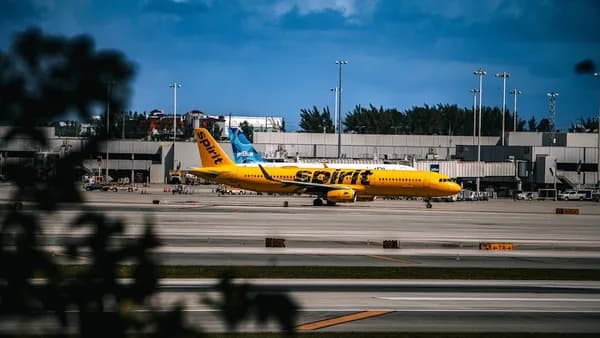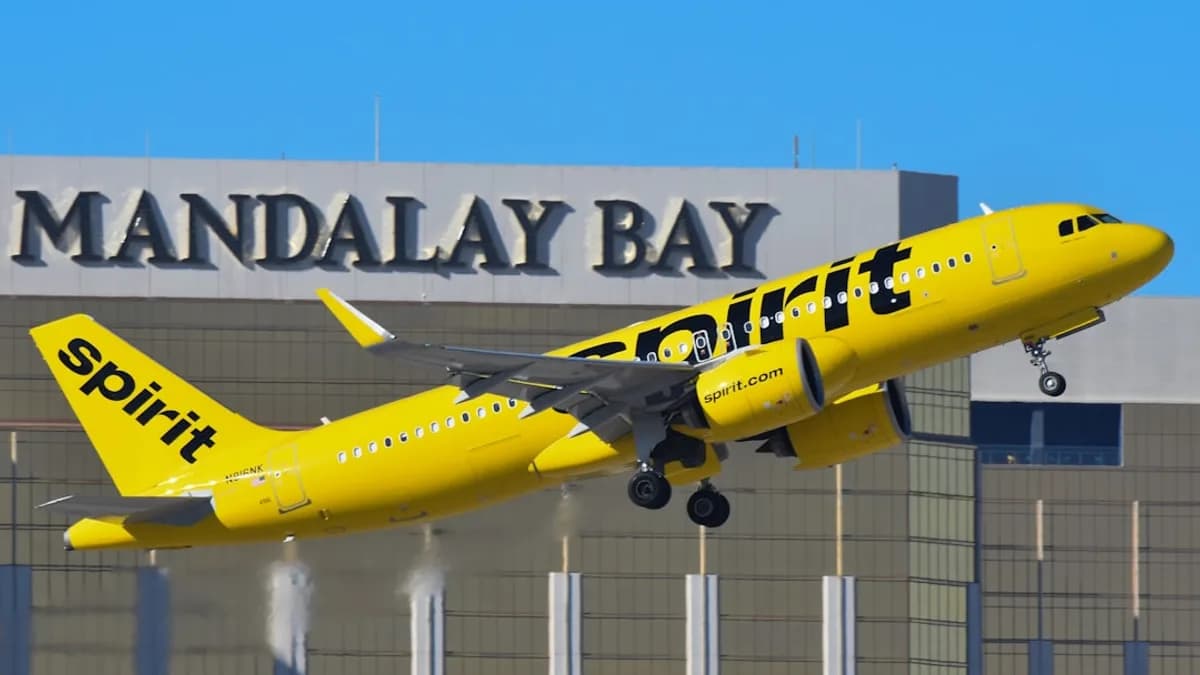
Spirit Airlines Set to Get $500 Million Lifeline from Trump Administration
Spirit Airlines is about to get a $500 million rescue package from the Trump administration. This deal comes as the airline faces big money problems. Costs are rising, and Spirit owes a lot. Without help, Spirit could run out of cash fast. The rescue package is almost finished, and both sides are working out the last details [Source: Google News].
Spirit is known for offering cheap flights. Many travelers choose them because prices are low. But the airline’s debts and expenses have piled up. The rescue package is a lifeline. Without it, Spirit could disappear from the market. This would mean fewer choices for people who want to fly for less. The deal is important not just for Spirit, but for everyone who uses budget airlines.
What’s in the Spirit Airlines Rescue Package?
The $500 million rescue package is expected to be a loan, not a gift. Spirit will borrow the money from the government and pay it back over time. There may be strict rules. The Trump administration could require Spirit to keep certain routes open, protect jobs, or limit executive pay. These rules are meant to make sure the money helps the airline and the public.
Talks have been moving fast. Sources say Spirit and government officials are close to finishing the deal. If all goes well, Spirit could get the money in the next few weeks [Source: Google News]. This is a short timeline, but Spirit needs help quickly. The cash will help Spirit pay bills, keep planes flying, and avoid layoffs.
Rescue packages like this are not rare. Airlines often get help from the government when times are tough. Still, every deal is different. The Trump administration may want Spirit to promise not to sell itself or merge right away. Or they might push Spirit to change how it runs flights. These conditions are meant to protect taxpayers and keep the airline strong.
Spirit’s Money Problems: Debt, Costs, and Competition
Spirit Airlines has been hit hard by rising costs. Fuel prices have jumped. Wages and airport fees are up. The airline’s debt is now more than $1 billion, and it owes money to suppliers and lenders. Spirit’s cash flow is tight, and analysts worry the airline could default if things don’t change soon.
Competition is fierce. Other low-cost carriers like Frontier and Southwest offer similar prices. Bigger airlines, like Delta and United, have more money and can handle tough times better. Spirit’s market share has slipped as travelers pick rivals. The airline’s revenue dropped nearly 20% over the past year, and it posted losses for several quarters [Source: Google News].
Spirit tried to save money by cutting routes and trimming staff. But these moves have not fixed the problems. The airline’s planes are flying, but many seats are empty. Fewer people are traveling, and Spirit’s costs keep climbing. This is why the rescue package is so urgent. Without it, Spirit may have to shut down or merge with another airline.
What the Rescue Means for Airlines and Passengers
The rescue package could shake up the U.S. airline industry. If Spirit survives, it will keep offering cheap flights. This helps travelers who can’t afford higher fares. But if Spirit fails, prices for budget flights may rise. Other low-cost carriers could grab Spirit’s customers, but fewer choices mean less competition.
Government intervention like this is risky. Some experts say it helps keep jobs and protects travelers. Others worry it lets weak companies survive when they should close. Spirit’s rescue could set a precedent. If more airlines struggle, they may ask for help too. This could cost taxpayers more money.
There’s also talk of mergers. If Spirit can’t turn around, the government may push for a deal with another airline. Merging with Frontier or JetBlue could save jobs but reduce competition. When airlines merge, fares tend to go up. Travelers lose out, and smaller cities may lose flights.
Still, the rescue is a chance for Spirit to fix its problems. With new cash, the airline could pay debts and invest in better service. If Spirit grows stronger, it could force rivals to cut prices. Passengers win when airlines compete. But if government support becomes common, airlines might take more risks, knowing help is coming.
Federal Bailouts: How Spirit’s Rescue Fits Into Airline History
Airlines have gotten help from the government before. After 9/11, the U.S. gave airlines billions to keep them flying. During COVID-19, Congress sent $50 billion in aid. These bailouts saved jobs and kept flights running, but they were controversial. Some people said taxpayers shouldn’t pay to save private companies.
Spirit’s rescue is smaller, but it still matters. Compared to the big bailouts of the past, $500 million is not huge. Still, it’s a sign the government will step in when airlines are in trouble. This raises questions about fairness. Should the government help all airlines, or only the ones that serve many travelers?
Other countries have rescued their airlines too. Germany helped Lufthansa. France saved Air France. But every bailout comes with strings attached. Governments often want airlines to cut costs, protect jobs, or change how they operate.
Public opinion is mixed. Some people want airlines to survive, especially if they provide cheap travel. Others think companies should solve their own problems. Politicians debate whether taxpayer money should be used this way. If Spirit gets help, other airlines may want the same. This could start a new wave of bailouts.
What Comes Next for Spirit Airlines and the Industry
If Spirit gets the $500 million rescue, it will get a second chance. The money could help Spirit pay debts and keep flying. Travelers will keep seeing cheap fares. Jobs may be saved, and routes protected. But Spirit will need to change how it operates to avoid trouble in the future.
The government will watch closely. If Spirit fails again, a merger or shutdown is possible. Other airlines may step in to buy Spirit’s assets. This would change the market and could push fares higher.
For the airline industry, the rescue shows that federal help is still on the table. More airlines may ask for support if times get tough. Travelers should watch for changes in fares, routes, and service.
The Spirit Airlines deal is a big moment. It could shape how airlines do business and how the government handles future crises. For now, Spirit and its passengers are hoping the rescue package brings relief and keeps the planes flying.
Why It Matters
- The rescue package could help Spirit Airlines avoid bankruptcy and layoffs, preserving jobs.
- Low-cost travel options may remain available for consumers if Spirit survives.
- Government intervention sets precedent for future airline bailouts and oversight.