

SpaceX Sets Its Sights on AI Giant Cursor With $60 Billion Deal
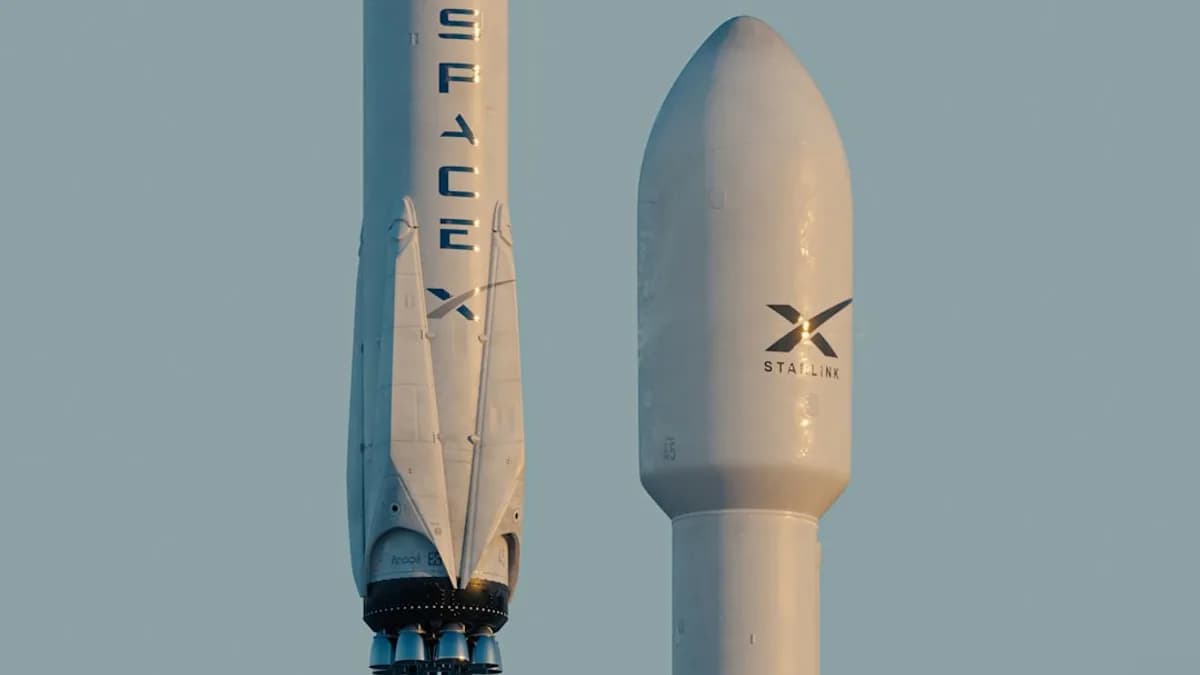
SpaceX says it can buy Cursor, a fast-growing AI startup, for $60 billion this year, or pay $10 billion just to work together [Source: Google News]. This isn’t just another tech deal. It’s one of the biggest bets ever on artificial intelligence. The move shows how space and AI are starting to mix in big ways. SpaceX, known for rockets and satellites, is now planting its flag in the AI world. The deal gives SpaceX a choice: own Cursor or pay a huge sum for a partnership—either way, it’s a sign that the company wants to lead not just in space, but in smart technology too. As space missions become more complex, using AI will help run rockets, satellites, and maybe even missions to Mars. The $60 billion price tag hints at high hopes for what AI can do, both in space and here on Earth.
What Makes Cursor Worth $60 Billion to SpaceX?
Cursor is not a household name yet. But inside tech circles, it’s seen as one of the most promising AI startups. Cursor builds software that can read, write, and learn from huge amounts of data. Its tools help computers understand language, images, and even complex instructions. Think of it as the “brain” behind smarter robots, smart assistants, or even self-driving vehicles.
SpaceX wants to use this brainpower to make its rockets and satellites smarter. Imagine a rocket that can fix itself mid-flight, or a satellite that can spot problems before they happen. Cursor’s technology could help SpaceX run missions more safely and efficiently. It could even help with planning trips to Mars or monitoring space debris.
The $60 billion price tag is eye-popping. For comparison, the biggest AI deals in history have been much smaller. Microsoft’s investment in OpenAI was about $13 billion. Google bought DeepMind for under $1 billion. Cursor’s value shows how quickly the market has changed. Investors now see AI as the next gold rush. If SpaceX buys Cursor, it would set a new benchmark for what top AI companies are worth.
SpaceX founder Elon Musk is betting big that AI will shape the future of space travel. The company’s earlier efforts, like building reusable rockets, changed the way we think about space. Now, Musk wants AI to help solve the toughest challenges in space science. Cursor gives SpaceX a shortcut to cutting-edge tech, without building it all from scratch. This is about speed, talent, and staying ahead of rivals.
How the Cursor Deal Could Change SpaceX and the AI Industry
If SpaceX buys Cursor, it could speed up everything the company does. AI could help design new rockets, make launches safer, and manage fleets of satellites. SpaceX already uses smart software to guide rockets back to Earth. But Cursor could bring even smarter tools. For example, AI could spot weak parts on a rocket before launch, or help plan the best routes for satellites in crowded space.
This deal could give SpaceX a big advantage over other space companies. NASA, Blue Origin, and China’s space program all use AI, but none own a top AI company outright. With Cursor, SpaceX could build its own smart tools faster than anyone else. This might help the company win contracts, launch new services, or even lead the race to Mars.
The ripple effect could reach far beyond SpaceX. If Cursor is worth $60 billion, other AI startups will ask for higher prices too. Investors might start pouring more money into AI, hoping to find the next Cursor. Big tech firms like Google, Microsoft, and Amazon could face more competition.
Industry experts say this deal could also spark more mergers. Smaller AI startups might join forces to compete with giants like Cursor. This could make the AI market less crowded, but more powerful. SpaceX’s move might also push other aerospace firms to buy or partner with AI companies.
But there’s more at stake than money. SpaceX could use Cursor’s tech to help with tricky problems, like avoiding space junk or managing giant satellite networks. With AI, SpaceX could make space travel safer, cheaper, and more reliable.
Risks and Challenges: Can SpaceX Make AI Work for Rockets?
Buying Cursor is risky. The AI market changes fast, and $60 billion is a huge price to pay. If AI hits a rough patch, SpaceX could lose big. Some experts worry about a “bubble” in AI, where prices rise too fast and then crash.
Mixing space tech and AI is not simple. Aerospace engineers and AI coders often work in different ways. Rockets need to be safe and reliable. AI moves fast and often breaks things as it learns. Getting these cultures to mesh will take time. SpaceX will need to teach its rocket teams to trust AI, and its AI teams to understand space.
There are also rules and ethics to think about. Governments watch space and AI closely. New laws on AI safety, data privacy, and space traffic could slow things down. SpaceX will need to follow strict rules, especially if Cursor’s AI is used for military or national security projects.
Operational hurdles are real too. SpaceX is famous for moving fast, but big deals often slow things down. The company must fit Cursor’s team and software into its own systems. If they rush, mistakes could happen. If they go too slow, rivals might catch up.
Still, SpaceX has a track record of solving tough problems. The company turned Falcon rockets into reusable machines, saving billions. If anyone can make space and AI work together, it’s probably SpaceX. But the road will be bumpy, and the risks are high.
What SpaceX’s Cursor Deal Says About Its Bigger Plan
SpaceX isn’t just trying to build rockets. It wants to be a tech leader in many areas: space, satellites, internet, and now AI. The Cursor deal fits this bigger plan. By owning a top AI company, SpaceX shows it’s serious about smart technology. This could help SpaceX become more than just a space company.
Investors and rivals will watch this deal closely. It signals that SpaceX is ready to take risks and try new things. Musk’s companies often start trends. If SpaceX pulls this off, other firms might follow.
This move could also change the SpaceX brand. Right now, SpaceX is known for rockets and Starlink internet. If it buys Cursor, it could be seen as a leader in AI, too. That could help SpaceX win contracts or attract new talent.
Finally, the Cursor deal could help SpaceX diversify. If rockets hit a slowdown, AI could keep the company growing. This is smart business—having more than one way to win.
SpaceX’s Bold Bet: Why This Deal Matters
SpaceX’s option to buy Cursor for $60 billion is a bold bet on the future of AI and space [Source: Google News]. It shows how much Musk believes that smart technology will shape the next wave of space travel. The deal could set new standards for AI, change how rockets are built, and make space safer for everyone.
But it’s also risky. The AI market is hot, but prices could tumble. Mixing space and AI won’t be easy, and new rules could trip SpaceX up. Still, SpaceX has a history of breaking barriers and making big ideas work.
If this deal goes through, it will be a signal to investors, tech firms, and the whole space industry. The smart money is moving toward AI-powered rockets, satellites, and missions. SpaceX’s Cursor move is worth watching—not just for the price tag, but for what it could mean for the future of technology and space. Stay tuned.
Why It Matters
- The $60 billion deal would be the largest ever in the AI sector, signaling explosive growth in AI valuations.
- SpaceX’s move shows that AI is becoming critical to advanced space missions and technology leadership.
- Cursor’s technology could make rockets and satellites smarter, potentially revolutionizing space exploration.