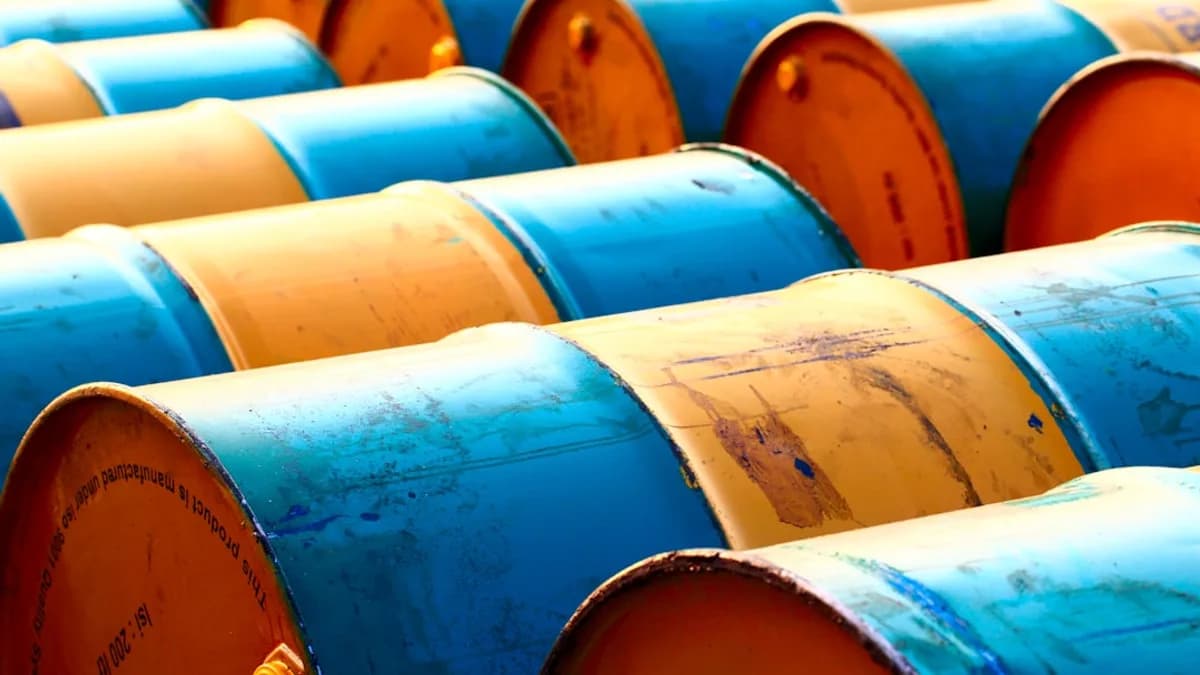
OPEC+ Announces 188,000 Barrels Per Day Output Increase for June
OPEC+ will boost oil production quotas by 188,000 barrels per day starting June 1, a rare supply increase as tensions with Iran threaten to choke global exports. Saudi Arabia, Russia, and the UAE drove the move, aiming to calm markets rattled by recent attacks on Middle Eastern energy infrastructure, according to CryptoBriefing.
The official announcement landed after a virtual ministerial meeting late Tuesday. The increase follows months of voluntary output cuts, which had taken nearly 2 million barrels per day off the market since late 2023. This shift comes as Iranian oil flows face heightened risk from Western sanctions and regional escalation, particularly after last month’s missile exchange with Israel.
The new quotas primarily affect Saudi Arabia, Russia, Iraq, and the UAE—countries with both the spare capacity and infrastructure to scale up quickly. Smaller producers will see little change. OPEC+ signaled the hike is temporary, calibrated to address immediate supply fears rather than a longer-term policy shift.
How OPEC+ Output Boost Aims to Stabilize Oil Prices Amid Iran Conflict
Brent crude has hovered near $85 a barrel in recent weeks, up almost 10% since January as traders price in war risk premiums. Iranian exports—roughly 1.5 million barrels per day—are under scrutiny as Western navies increase patrols and insurance rates spike for tankers in the Persian Gulf.
OPEC+’s output boost is designed to counteract this squeeze. By adding barrels now, the group bets it can pre-empt a supply shock if Iran’s exports drop or regional production infrastructure comes under attack. Energy-intensive industries—from chemicals to airlines—could see short-term cost relief if prices ease. US consumers, already facing average gasoline prices above $3.60 per gallon, are watching closely; even a $5 per barrel drop in crude would ripple through to the pump.
Yet the move is not without risk. If the conflict intensifies and Iranian output collapses, 188,000 extra barrels won’t cover the gap. Market reaction has been muted so far, with crude futures inching down less than 1% on the news—suggesting traders are unconvinced the supply bump is enough to offset geopolitical risk.
Past attempts by OPEC+ to fine-tune the market have produced mixed results. The 2020 pandemic demand collapse saw dramatic cuts, but supply discipline frayed by 2022 as prices surged above $120. The group’s credibility hinges on members sticking to quotas—a challenge when individual fiscal pressures mount.
What to Watch Next: OPEC+ Strategies and Geopolitical Risks Shaping Oil Markets
OPEC+ ministers reconvene in Vienna in late June, with the option to raise output further or retreat if prices fall too far. The group’s internal politics remain fraught; Russia’s oil revenues fund its war in Ukraine, while Gulf states worry about alienating Western allies with price spikes that fuel inflation.
Iran remains the wild card. Any escalation—such as a direct attack on Gulf export terminals or tighter US sanctions—could jolt the market. Conversely, a de-escalation could render the output hike unnecessary, forcing OPEC+ to consider new cutbacks to prevent a glut.
Long-term, the group’s latest move highlights the fragility of global energy security. Spare capacity remains razor-thin, and climate policy shifts may complicate future investments in oil infrastructure. Investors are hedging with options contracts and rotating exposure to more stable fuel sources, while industrial buyers deepen relationships with non-OPEC suppliers in the Americas and Africa.
Watch for volatility around the next OPEC+ meeting and any headline risk from the Strait of Hormuz. The market’s message is clear: As long as geopolitics drive the oil narrative, wild price swings are here to stay.
Impact Analysis
- OPEC+ is increasing oil output to stabilize prices amid rising tensions involving Iran.
- The move could provide relief to energy-intensive industries and consumers facing higher costs.
- Global oil markets are watching closely as increased production may offset supply risks from regional conflict.