Introduction to the Strategic Importance of the Strait of Hormuz
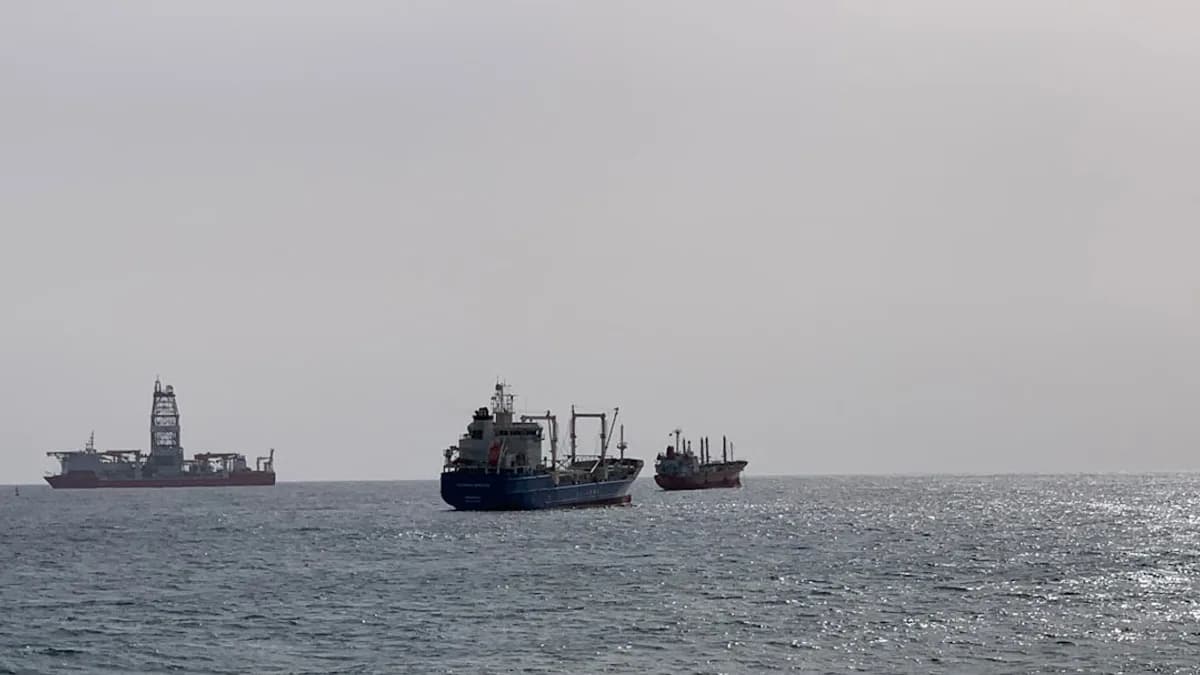
About one-fifth of all the oil traded in the world must pass through a narrow waterway called the Strait of Hormuz. This strip is only about 21 miles wide at its tightest point. It sits between Iran and Oman, linking the Persian Gulf with the rest of the world. Each day, more than 20 million barrels of oil and large amounts of liquefied natural gas (LNG) move through these waters on giant tankers [Source: CryptoBriefing]. If you picture all the cars, trucks, planes, and factories that run on oil, you see why this strait matters so much.
Lately, disruptions have hit the Strait of Hormuz. Tensions in the region, including military activity and threats to ships, have slowed or even stopped some shipments. When tankers can’t get through, oil and LNG supplies fall, prices jump, and energy markets get nervous. These disruptions have made people everywhere—from Wall Street traders to everyday drivers—wonder how long the chaos will last and what it means for energy costs.
Exxon CEO’s Insights on Rapid Resumption of Middle East Oil Production
ExxonMobil’s CEO believes that Middle Eastern oil production could bounce back fast once the Strait of Hormuz is open again. He explained that oil fields in this region are well-developed and can ramp up output quickly. Many of these oil fields use advanced equipment and have workers on standby. That means they can start pumping and shipping oil again soon after the strait is safe [Source: CryptoBriefing].
But not all energy flows are equal. The CEO pointed out that while oil production and exports might recover in days or weeks, LNG (liquefied natural gas) supply chains face longer delays. Why? LNG transport depends on specialized ships, super-cold storage, and complex contracts. If the pipeline of LNG shipments is broken, restarting everything takes longer. It’s a bit like the difference between getting cars moving after a traffic jam versus getting a whole fleet of refrigerated trucks back on the road.
Middle Eastern countries like Saudi Arabia, Iraq, Kuwait, and the United Arab Emirates are used to handling big swings in oil production. They have spare capacity—meaning they can produce more oil if the market needs it. This helps the world get back to normal quickly when a major route like Hormuz reopens. For LNG, though, there are fewer backup options, so the pain from a prolonged disruption lasts longer.
How Hormuz Reopening Could Stabilize Global Oil Markets
When the Strait of Hormuz is blocked, oil gets stuck. Buyers worry there won’t be enough to go around, so prices rise. The minute the strait reopens, tankers can start moving, and oil starts flowing again. This unblocks supply and takes the pressure off prices.
Middle Eastern oil exports play a huge role in meeting global demand. For example, Saudi Arabia alone ships about 7 million barrels of oil per day, much of it through Hormuz. When these exports stop, even for a short time, markets feel the shock. The reopening of the strait would signal that supply is coming back, which usually makes prices drop and calms traders [Source: CryptoBriefing].
Market volatility—those big swings in price—often starts with fear. If buyers see normal shipping return, they relax a bit. Rapid recovery of oil shipments helps everyone, from big companies to families who drive to work. But if there are signs of new trouble, prices can jump again. That’s why the world keeps such a close eye on Hormuz. The strait acts like a pressure valve for global energy, and when it’s open, things run more smoothly.
Challenges of Prolonged LNG Disruptions Despite Oil Recovery
Oil is not the only energy source that moves through the Strait of Hormuz. LNG, used for heating and electricity, also relies on these waters. But the LNG supply chain is more fragile than oil’s. Unlike oil, which can be stored in tanks or even ships for a while, LNG must stay super-cold. It needs special terminals and ships to keep it in liquid form. Any pause in the supply chain can leave buyers with empty tanks and no easy backup.
If LNG shipments are stuck or delayed, power plants and factories in Asia and Europe might struggle to get enough fuel. This can lead to blackouts or higher energy bills. The world doesn’t have much spare LNG capacity sitting around, so if one part of the chain breaks, it’s hard to fix quickly [Source: CryptoBriefing].
Some countries try to switch to other fuels, like coal or oil, when LNG is short. But that costs more and can harm the environment. Longer LNG disruptions also highlight how dependent many nations are on just a few supply routes. This makes energy security a bigger worry and pushes governments to look for new suppliers or invest in other sources, like renewables or nuclear power.
Broader Implications for Energy Markets and Geopolitical Stability
When energy supplies are at risk, countries pay close attention. Disruptions in the Strait of Hormuz often make tensions in the Middle East worse. Rival countries might try to control shipping lanes or flex their military strength. This can scare off ships, slow trade, and lead to higher prices for everyone.
Big energy importers like China, Japan, and India must plan for these risks. They might buy more oil to store in case of trouble or sign deals with new partners. At the same time, oil and gas producers outside the Middle East—like the U.S., Norway, or Nigeria—could see a chance to sell more to worried buyers.
Over time, these problems push countries to rethink how they get and use energy. Some invest in new pipelines that avoid risky spots, while others put more money into solar, wind, or nuclear power. The goal is to make sure energy keeps flowing, even if one route is blocked. The world saw similar moves after oil crises in the 1970s, when countries formed emergency stockpiles and looked for new energy sources. Today’s challenges around Hormuz may speed up those changes again.
Conclusion: Balancing Optimism and Caution in Energy Supply Outlook
The Exxon CEO’s message is clear: Middle Eastern oil can start flowing again soon after the Strait of Hormuz reopens, which could steady global markets [Source: CryptoBriefing]. That’s good news for anyone worried about oil prices or supply shocks. But the story is not so simple for LNG, where delays could drag on and keep energy prices high in some regions.
As always, the world needs to stay alert. Geopolitical risks in the Middle East can flare up quickly, and energy markets can react just as fast. Watching what happens in the Strait of Hormuz—and how countries respond—will help everyone prepare for what comes next. For now, smart planning and a mix of energy sources remain the best tools to handle the ups and downs of a connected world.
Why It Matters
- The Strait of Hormuz is a critical chokepoint for global energy supplies.
- Rapid recovery of oil exports could stabilize global energy prices after disruptions.
- Delays in LNG shipments highlight vulnerabilities in the world's energy infrastructure.