Introduction: Overview of the Incident and Verdict
A Los Angeles jury has awarded $11.8 million in damages to a Dodgers fan who was partially blinded by a projectile fired by Los Angeles Police Department (LAPD) officers during celebrations following the team’s 2020 World Series victory. The verdict, delivered after a closely watched civil trial, marks one of the largest awards in recent years involving alleged excessive police force at a public event in Los Angeles. The case has drawn significant attention not only for the severity of the plaintiff’s injuries but also for its implications regarding police accountability and public safety during large-scale celebrations. As questions mount about the appropriate use of force by law enforcement officers in crowd control situations, this high-profile decision may set a precedent for how similar cases are approached in the future [Source: Source].
Background: The Incident and Legal Proceedings
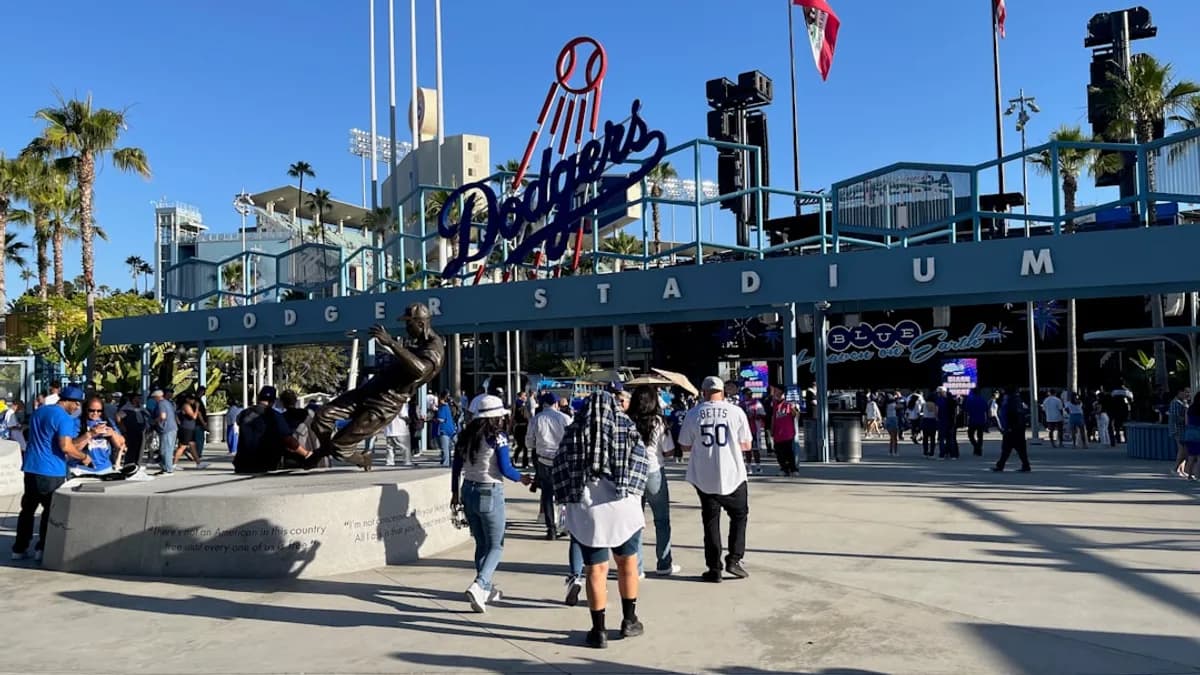
The incident occurred on October 27, 2020, as thousands of Dodgers fans poured into downtown Los Angeles to celebrate the team’s first World Series championship in over three decades. Amid the festivities, police responded to reports of unruly behavior and deployed crowd-control measures, including the use of so-called “less-lethal” munitions like foam rounds. During the chaos, the plaintiff—a lifelong Dodgers fan—was struck in the eye by a projectile fired by LAPD officers, resulting in partial and permanent blindness [Source: Source].
The subsequent lawsuit alleged that officers used excessive force and failed to follow department protocols designed to minimize harm to bystanders. At trial, jurors heard testimony from both the injured fan and LAPD officers involved, as well as expert witnesses on use-of-force policies and medical consequences. The plaintiff’s legal team argued that officers had fired indiscriminately into the crowd without proper warning and in violation of department guidelines. In contrast, the city’s defense asserted that officers acted reasonably under chaotic circumstances, aiming to restore order during a rapidly escalating situation.
Ultimately, the jury found in favor of the plaintiff, concluding that the LAPD’s actions were not legally justified and that the injury resulted directly from the officers’ conduct. The $11.8 million award reflects both compensatory damages for the plaintiff’s medical costs and pain and suffering, as well as a broader statement about the need for accountability in police actions during public events [Source: Source].
Analysis of Police Conduct and Use of Force
The LAPD, like many large urban police departments, has detailed policies governing the use of force, especially when deploying crowd-control munitions. These policies typically require officers to provide clear warnings, aim at lower extremities to avoid serious injury, and avoid firing into dense crowds unless there is an imminent threat. In this case, the plaintiff’s attorneys argued persuasively that these guidelines were not adequately followed—resulting in a catastrophic injury that could have been prevented [Source: Source].
Large public celebrations, such as the Dodgers’ World Series win, present unique challenges for law enforcement. Officers are tasked with maintaining order and public safety amid unpredictable and sometimes volatile crowds. The use of less-lethal munitions is intended as a safer alternative to lethal force, but these weapons are not without risk. When deployed improperly, they can cause life-altering injuries, as seen in this case.
Testimony during the trial highlighted the difficulties officers faced: loud noise, limited visibility, and a fast-moving crowd. Nevertheless, the jury found that the officers did not exercise the necessary restraint and discipline, pointing to failures in communication and adherence to protocol. This finding underscores a broader issue: the gap that can exist between written department policy and actions taken in the field. Even in high-pressure situations, there is a legal and ethical responsibility to ensure public safety measures do not themselves become sources of harm.
The verdict serves as a stark reminder of the consequences when force is used inappropriately. It also illustrates the judiciary’s willingness to scrutinize law enforcement actions and hold departments accountable for lapses in training, oversight, or judgment. For the LAPD and other departments nationwide, the case will likely prompt renewed examination of use-of-force practices, particularly in the context of crowd control at celebratory events [Source: Source].
Implications for Police Accountability and Public Trust
This verdict has immediate and lasting implications for perceptions of police accountability in Los Angeles and beyond. High-profile incidents of police violence—whether intentional or accidental—can erode public trust, especially in communities that feel over-policed or unfairly targeted. The substantial financial award in this case sends a clear signal that juries are willing to hold law enforcement agencies responsible for preventable harm, even in the context of chaotic public events [Source: Source].
Such outcomes can have a deterrent effect, encouraging police departments to revisit their training, supervision, and deployment of crowd-control tools. In recent years, calls for reform have intensified, with advocates urging greater transparency, oversight, and consequences for officers who violate policy. Civil litigation plays a critical role in this process: not only does it provide compensation to those harmed by police misconduct, but it also brings public scrutiny to departmental practices and can catalyze broader institutional change.
For the LAPD, the case adds to a series of legal and reputational challenges as it seeks to rebuild trust with the city’s diverse communities. The verdict may also influence how other cities approach similar cases, reinforcing the principle that law enforcement must be held to high standards of conduct—even in the most challenging circumstances [Source: Source].
Broader Context: Policing at Public Events and Community Relations
Policing large-scale public celebrations and sporting events is inherently complex. While the goal is to ensure safety for all participants, heavy-handed tactics can exacerbate tensions and lead to unintended injuries. The challenge for law enforcement agencies is to strike a delicate balance: deploying enough resources to maintain order, but doing so in a way that respects civil liberties and minimizes harm [Source: Source].
In recent years, some departments have experimented with alternative crowd management strategies, such as increased community engagement, de-escalation training, and the use of designated protest or celebration zones. Transparency—both in real-time communication with the public and after-action reviews—has also been identified as a key factor in maintaining community trust after contentious incidents.
Ultimately, effective policing at public events depends on trust and cooperation between law enforcement and the communities they serve. Incidents like the one involving the Dodgers fan threaten that trust, highlighting the need for ongoing dialogue, accountability, and reform. By learning from past mistakes and implementing best practices, police departments can better protect public safety while respecting the rights and dignity of all individuals [Source: Source].
Conclusion: Lessons Learned and Future Outlook
The $11.8 million verdict in favor of the Dodgers fan injured by LAPD officers during the World Series celebration stands as a significant moment in the ongoing debate over police use of force and accountability. It demonstrates the power of the judicial system to provide recourse for victims and to incentivize institutional change when law enforcement falls short of its obligations [Source: Source].
Key lessons from this case include the need for strict adherence to use-of-force policies, robust officer training, and transparent communication with the public—especially during large, emotionally charged events. As Los Angeles and other cities continue to grapple with the challenges of policing in a diverse and dynamic environment, this case may serve as a catalyst for further reforms and a renewed commitment to public trust.
Looking ahead, the verdict is likely to influence policy, shape public opinion, and inform future legal actions involving police conduct at public events. The hope is that such high-profile accountability will not only provide justice for individual victims but also help foster safer, more respectful interactions between law enforcement and the communities they are sworn to protect.