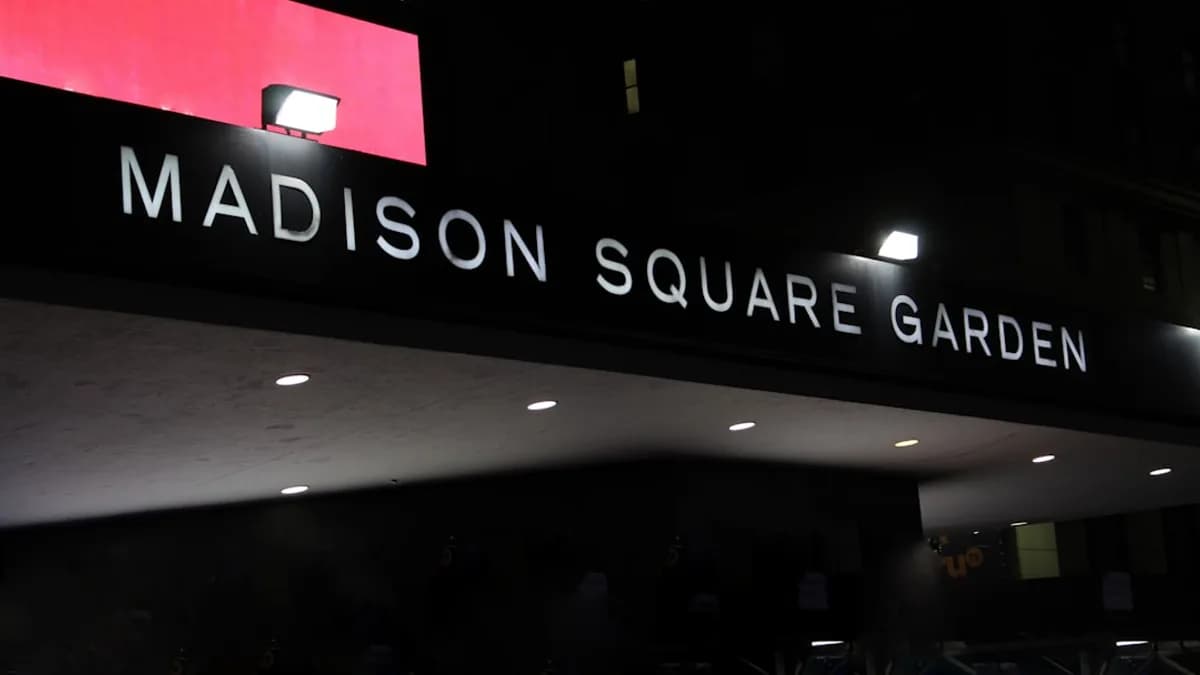
Introduction: Unveiling the Surveillance Controversy at Madison Square Garden
Madison Square Garden (MSG) stands as one of the most iconic arenas in the world—home to the New York Knicks, legendary concerts, and countless historic events. Yet, beneath the bright lights and roaring crowds, a shadowy controversy has emerged, shaking the foundations of trust between venue and visitor. At the center of this storm is Jim Dolan, the famously contentious owner of MSG and the Knicks, whose alleged penchant for surveillance has raised serious questions about privacy and power.
A recent in-depth investigation by WIRED reveals that Dolan’s surveillance machine is far more sophisticated—and far-reaching—than many had imagined [Source: Source]. The article exposes a network of tracking technologies targeting not just unruly fans, but lawyers, protesters, and even marginalized individuals such as a trans woman. This piece aims to unpack the implications of these revelations, exploring how MSG’s surveillance operation functions, its ethical and legal ramifications, and what it means for the future of public venue security.
Background: Jim Dolan and the Culture of Surveillance
Jim Dolan’s tenure as owner of the Knicks and Madison Square Garden has been marked by controversy, both on and off the court. Known for his combative management style and public feuds, Dolan has cultivated an atmosphere of control and, at times, retribution within his organizations. Over the years, Dolan’s actions—including banning critics and journalists from MSG—have painted a picture of a leader unafraid to wield his power in unconventional ways [Source: Source].
Surveillance is not new to sports and entertainment venues. Security cameras, facial recognition, and monitoring of crowds are standard practice, ostensibly to prevent violence and maintain order. However, Dolan’s approach appears to go beyond traditional security. According to WIRED, Dolan has deployed advanced surveillance tools not only to keep tabs on unruly fans but also to track individuals he perceives as adversarial. This includes legal representatives involved in lawsuits against MSG, activists protesting his policies, and even individuals whose presence he finds objectionable.
The culture of surveillance at MSG reflects Dolan’s broader philosophy: security as a tool for exerting control. The alleged vengeful targeting of specific groups and individuals suggests that Dolan’s personal temperament may have shaped the surveillance strategy, turning what should be a protective measure into a mechanism for exclusion and intimidation [Source: Source].
Inside the Surveillance Operation: Scope and Methods
WIRED’s investigation sheds light on the breadth and complexity of Madison Square Garden’s surveillance apparatus. At the heart of the system is facial recognition technology, which scans every visitor entering the venue. This technology is reportedly linked to extensive databases that can flag individuals based on a range of criteria—whether they are lawyers involved in litigation against MSG, activists, or even members of marginalized communities [Source: Source].
One particularly troubling example involves a trans woman who was monitored and denied entry, raising questions about discrimination and targeting of vulnerable groups. Lawyers from firms involved in lawsuits against MSG have also found themselves barred from entry, their faces flagged by the system upon arrival. Protesters and activists have similarly reported being tracked and excluded, suggesting a deliberate effort to suppress dissent within the arena.
The sophistication of the operation is notable. According to WIRED, MSG employs a team of security professionals tasked with maintaining and updating the surveillance list, ensuring that flagged individuals are identified in real time. The integration of facial recognition with ticketing and access control systems allows for swift action—often before the person is even aware they have been targeted.
This surveillance extends beyond MSG itself, reportedly encompassing other venues owned by Dolan, such as Radio City Music Hall. The sheer scale and precision of the operation underscore how modern surveillance technologies, when used without oversight, can blur the line between security and personal vendetta [Source: Source].
Legal and Ethical Implications
The revelations about MSG’s surveillance practices prompt serious legal and ethical questions. On the legal front, privacy laws in New York and the U.S. regulate the use of biometric data, including facial recognition. While venues can argue for the necessity of surveillance for security, targeting individuals for reasons unrelated to safety—such as legal disputes or activism—may violate privacy rights and anti-discrimination statutes [Source: Source].
Ethically, the targeting of marginalized groups, such as trans individuals, and legal professionals raises alarms. Surveillance should not be used to exclude people based on identity or suppress lawful protest and dissent. The exclusion of lawyers, in particular, touches on the right to legal representation and access to public accommodations. Civil rights advocates warn that such practices create a chilling effect, discouraging people from exercising their rights or participating in public discourse for fear of being tracked or banned.
Potential consequences for MSG and Dolan could include lawsuits, regulatory investigations, and increased scrutiny from privacy watchdogs. The case has broader implications for the industry: if high-profile venues can use surveillance to enforce personal vendettas, it sets a dangerous precedent for privacy and civil liberties at public events. It also raises questions about the appropriate balance between security and individual rights in an era of increasingly pervasive surveillance technology [Source: Source].
Public and Industry Reactions
The WIRED exposé has sparked national debate, with media outlets and social platforms buzzing about the extent of MSG’s surveillance machine. Many members of the public expressed shock and outrage, questioning whether attending a Knicks game or concert now comes at the cost of personal privacy [Source: Source].
Civil rights organizations and privacy advocates have responded forcefully. Groups such as the American Civil Liberties Union (ACLU) have called for investigations and stricter regulation of biometric surveillance in public venues, emphasizing the risks of misuse and discrimination. Legal professionals, especially those targeted by the system, have publicly condemned the practice, arguing it undermines the justice system and erodes trust in public institutions.
The controversy has also tarnished MSG’s reputation, with some artists and performers reconsidering their association with the venue. Industry peers are taking note, prompting discussions about best practices and the need for transparency in surveillance operations. The incident may spur changes in how venues handle security, encouraging greater oversight and accountability [Source: Source].
Conclusion: Lessons and the Future of Surveillance in Public Venues
The saga of Madison Square Garden’s surveillance machine offers a stark lesson for the intersection of technology, security, and civil liberties. As WIRED’s investigation reveals, unchecked use of advanced surveillance tools can quickly cross into ethically and legally dubious territory, especially when motivated by personal vendetta rather than genuine safety concerns [Source: Source].
The key challenge moving forward is striking a balance between protecting crowds and respecting individual privacy. Regulatory bodies and venue operators must ensure that surveillance is transparent, accountable, and used strictly for legitimate security purposes. The industry faces a crossroads: either embrace responsible practices or risk undermining public trust in the spaces where people gather to celebrate, protest, and simply be themselves.
As technology evolves, so too must the rules governing its use. Only by learning from MSG’s missteps can public venues safeguard both security and freedom for all who walk through their doors.