Why Investors Are Urging Nintendo to Raise Switch 2 Prices Amid Memory Shortages
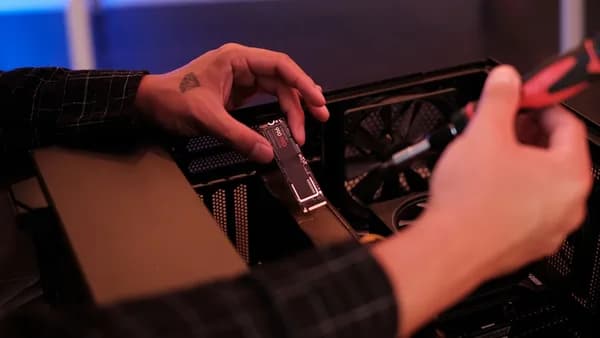
Nintendo’s largest shareholders aren’t asking for a Switch 2 price hike out of greed—they’re rattled by memory shortages that threaten to gut the console’s margins. DRAM and NAND flash prices have soared by over 20% since late 2023, and the supply chain is still buckling under AI hardware demand. Every extra dollar spent on chips comes straight out of Nintendo’s bottom line, and with the yen weak and logistics costs rising, the pressure is acute. Investors see one quick fix: raise the retail price, even if it risks sticker shock.
This isn’t just posturing. Nintendo’s share price swung sharply this week after reports of persistent component constraints and investor agitation, according to Notebookcheck. The company’s legendary predictability has vanished, replaced by anxiety that the Switch 2 will launch with less profit per unit—or worse, that supply will be throttled and competitors will eat Nintendo’s lunch. For a company whose original Switch sold 130 million units on a razor-thin manufacturing model, this is an existential threat to its next big play.
The Financial Logic Behind Increasing Switch 2 Prices to Protect Profit Margins
The math is brutal. Memory chips account for as much as 15-20% of a modern handheld console’s bill of materials. If DRAM and NAND costs jump $10-15 per unit while retail prices hold steady, Nintendo’s net profit—already below 10% on hardware—shrinks further. In a year where operating income dropped 18% due to weaker Switch sales, the company simply can’t afford to eat those costs.
Investors remember 2020, when Sony and Microsoft quietly raised PlayStation 5 and Xbox Series X prices in several markets to offset inflation and supply turbulence. Both survived the backlash, and Sony actually posted record console revenues in 2022 after the €50 PS5 price hike. From a shareholder’s perspective, passing on costs is not just sensible—it’s expected.
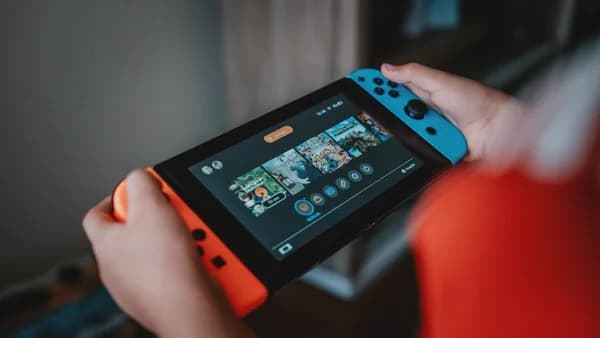
There’s also precedent in Nintendo’s own playbook. The Wii U’s disastrous launch, with a price tag misaligned to its expensive hardware, carved into profits and forced a mid-cycle price cut, but the damage to momentum was irreparable. Investors want to avoid that repeat. They argue that early adopters are the least price-sensitive segment, and that capturing margin now is smarter than chasing volume at a loss. With Switch 2 reportedly featuring a more advanced screen and storage, component costs simply can’t be ignored. If Nintendo doesn’t act, it risks turning a blockbuster launch into a financial headache—and letting rivals like Sony and Valve set the price ceiling for handheld gaming.
Why Gamers Might Resist a Price Hike and Delay Upgrading Their Switch Consoles
But the consumer side of the equation is a minefield. After a decade of $299 Nintendo consoles, a $50–$100 sticker shock would spark backlash among fans and fence-sitters. Surveys from DFC Intelligence show that 62% of Switch owners would “wait at least a year” to upgrade if the next-gen console costs $399 or more. That’s a huge risk for Nintendo, whose magic lies in selling to families and casual gamers, not just hardcore fans.
Timing couldn’t be worse. The Switch platform is still selling millions of units per year, and the last thing Nintendo needs is to cannibalize its own base with a premium price. Competitors are also pressuring from below: Valve’s Steam Deck and Asus’s ROG Ally offer more power per dollar, and cloud gaming has started to chip away at the need to upgrade hardware at all.
Brand loyalty has its limits. The 3DS stumbled at launch with a $249 price, only to rebound after a $70 cut and a wave of goodwill gestures. Nintendo’s reputation for value and accessibility is its moat; alienate gamers now, and they may drift toward cheaper or more flexible alternatives. The risk: sales volume dries up, developers hesitate to support the platform, and Nintendo’s momentum evaporates before Switch 2 can hit its stride.
Balancing Investor Demands with Consumer Expectations: Nintendo’s Strategic Dilemma
The strongest counterargument is obvious—raising prices risks long-term brand damage. Nintendo’s core audience isn’t like Apple’s: parents, kids, and nostalgic adults are price-conscious, and the company has built decades of trust by offering affordable fun. A miscalculated price hike could create an opening for rivals, especially as mobile gaming and PC handhelds grow more appealing.
Historically, Nintendo has chosen patience and creativity over pure profit. The original Switch’s launch price was notably conservative, and the company has often bundled games or accessories instead of raising MSRPs outright. It’s not lost on management that Sony’s PS3 stumbled in 2006 with a famously high price, giving the cheaper Wii an open lane to global dominance.
Alternative strategies are on the table. Nintendo could prioritize production for its most lucrative markets, temporarily reduce hardware features (like internal storage), or even offer a digital-only version at a lower price point. The company has weathered chip shortages before, and smart allocation—combined with transparency—could soften the blow without risking a consumer revolt.
Why Nintendo Must Innovate Pricing Strategies to Navigate Memory Shortages and Satisfy Stakeholders
Nintendo’s solution can’t be a blunt price hike. A smarter approach is to segment the market. Offer a premium Switch 2 with extra storage or a bundled game at a higher price for early adopters, while keeping a base edition within reach of the mass market. This tiered strategy lets Nintendo claw back margin without alienating its base.
Bundling is another lever. Historically, including a hit title with the console—like Wii Sports—has justified higher prices and driven adoption. Nintendo could pair Switch 2 with a must-have Mario or Zelda game, offsetting sticker shock and boosting perceived value.
Above all, communication matters. Investors want clarity on how Nintendo will protect profits; gamers want to know they’re not being gouged. If the company is forthright about supply chain challenges and offers options—such as phased upgrades or trade-in incentives—it can maintain trust on both sides.
The lesson from the current memory crunch is clear: Nintendo can’t afford to play it safe or hope for costs to fall. The winners in this next console cycle will be those who adapt pricing, product mix, and messaging—not just those who pass on higher costs. The market is watching, and so are millions of gamers ready to vote with their wallets.
The Bottom Line
- Rising memory costs threaten Nintendo’s profits and could force a Switch 2 price hike.
- Supply chain constraints are shaking investor confidence and impacting Nintendo’s stock.
- How Nintendo responds may determine its competitive standing and profitability in the next console generation.