



Introduction: Boeing’s Path to Recovery Amid Industry Challenges
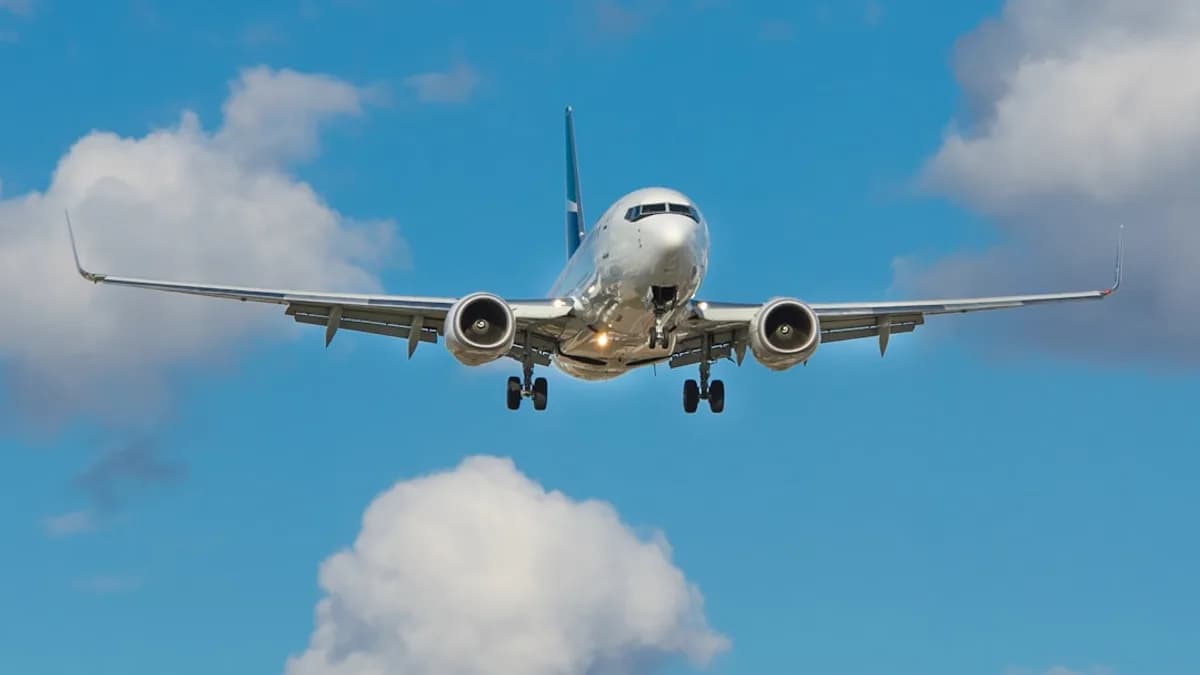
Boeing cut its quarterly loss thanks to stronger commercial jet sales. More planes went out the door, and that brought in more money. This is the clearest sign yet that Boeing’s business is getting back on track after some tough years. The company reported smaller losses than Wall Street expected, and deliveries of new jets, especially the 737 Max, surged [Source: Google News].
This matters because Boeing has faced so many setbacks — from crashes, to production delays, to supply chain snags. Every step forward counts. In this article, I’ll break down why Boeing’s recovery is real, what still stands in its way, and what this means for investors and the whole aerospace industry.
Analyzing Boeing’s Improved Commercial Jet Deliveries and Financial Results
Boeing delivered more jets this quarter, and that made a big difference. When more planes are handed over to airlines, Boeing gets paid. The company narrowed its loss to $355 million, much better than last year’s $1.2 billion loss [Source: Google News]. This happened because airlines are back to buying, and Boeing managed to ship 83 commercial jets — up from 64 in the same period last year.
The 737 Max is key to this comeback. After years of safety reviews and bans, the Max is finally winning back trust. Boeing expects new certifications for the 737 Max 7 and Max 10 by the end of this year. If these models get approved, airlines will have more choices, and Boeing will have more sales. That’s why investors and airline bosses are watching closely.
Boeing’s focus on fixing its supply chain helped too. The company said parts shortages and labor gaps are getting better, which lets them build and ship planes faster. This means less money stuck in unfinished jets, and more cash coming in the door. But this quarter’s numbers are not just a fluke. They show Boeing is learning from past mistakes and pushing hard to meet demand as air travel grows.
The Broader Context: Challenges Still Facing Boeing’s Commercial Aviation Segment
Even with better results, Boeing still faces big hurdles. Supply chain problems haven’t gone away. Materials and parts for jets are still slow to arrive. Sometimes, production lines stop because a single part is missing. And global shipping costs remain high. If these issues get worse, Boeing might not keep up its faster pace.
Competition is also heating up. Airbus, Boeing’s main rival, keeps its lead in wide-body and single-aisle jets. Airbus delivered about 142 jets in the first quarter, almost twice as many as Boeing [Source: Google News]. This puts pressure on Boeing to keep improving quality and speed. Smaller jet makers, like Embraer and Bombardier, are also fighting for market share, especially as airlines look for cheaper, fuel-efficient planes.
The world’s travel market is bouncing back, but not everywhere. Some regions, like Asia, are still slower to recover. Economic worries, like high interest rates and inflation, make airlines think twice about big buys. If travel dips again or a recession hits, Boeing’s order book could shrink fast. So while things look better, the company must watch for bumps ahead.
Implications of Boeing’s Recovery for Investors and the Aerospace Industry
Boeing’s stronger results have changed the mood for investors. Shares jumped after the earnings report. For anyone holding Boeing stock, this feels like a sigh of relief. The company’s plan to return to profit later this year seems more believable now. But risks remain — a single production slip or a new safety issue can hit the stock hard.
For the aerospace industry, Boeing’s progress means more activity. When Boeing ramps up, suppliers get more orders, airlines plan new routes, and airports prepare for more traffic. It’s a chain reaction. But it also raises the stakes: If Boeing stumbles, thousands of jobs and billions in contracts could be affected. That’s why investors and industry players watch every move.
Looking forward, Boeing has both chances and risks. If it keeps fixing production and wins new certifications, it can challenge Airbus and maybe regain lost ground. But if supply chains break or travel slows, recovery could stall. Investors should look past one good quarter and focus on steady progress. In the aerospace world, one good quarter doesn’t guarantee long-term success.
Opinion: Why Boeing’s Progress Is Encouraging but Requires Cautious Optimism
Boeing’s comeback is real, but I wouldn’t call it a full recovery yet. Narrowing losses are a good sign. But the company still faces big risks. Production lines are faster, but still fragile. One missed part or a quality slip can lead to delays and new losses. Regulatory approvals for the 737 Max 7 and 10 are not a sure thing. If the FAA or other agencies find problems, Boeing could face another round of fixes and wait times.
Investors should feel hopeful, but not get carried away. Boeing’s history shows how quickly things can turn. A few years ago, the 737 Max crisis wiped out years of profits and trust. Now, Boeing is working hard to rebuild, but it must prove it can keep quality high and avoid new safety scares. The world is watching, especially as competition gets tougher.
The key is steady, careful growth. Boeing needs to keep its supply chain strong, win those certifications, and show it can deliver jets on time. If it can do that, the company has a shot at regaining its old strength. But if it slips, the road back could get much longer.
Conclusion: Boeing’s Recovery Journey Reflects Resilience Amid Uncertainty
Boeing’s latest results show a company that won’t give up. Better jet deliveries and smaller losses prove its business is healing. But the path ahead is full of twists — supply chains, safety checks, and global travel trends all matter. If Boeing stays focused and keeps improving, it could reclaim its place as a leader in aviation.
For investors and industry watchers, the message is clear: Watch for steady progress, not just quick wins. Boeing’s story is about bouncing back, but also about staying careful. The next year will show if this recovery is real and lasting. If Boeing keeps its momentum, the whole aerospace industry could get a boost.
Why It Matters
- Boeing's reduced loss signals a genuine business recovery after years of setbacks.
- Strong jet sales and improved supply chain management are driving financial improvement.
- Investor confidence and industry momentum hinge on continued progress and new model certifications.