Reggie Fils-Aimé Reveals Amazon Pressured Nintendo to Break the Law During DS Era
Amazon once pushed Nintendo to give it illegal preferential treatment, former Nintendo of America President Reggie Fils-Aimé said during a recent lecture at NYU. Fils-Aimé claims this behind-the-scenes power play led Nintendo to stop selling consoles to Amazon entirely in the Nintendo DS era—an extraordinary move, given Amazon's clout even then, according to The Verge.
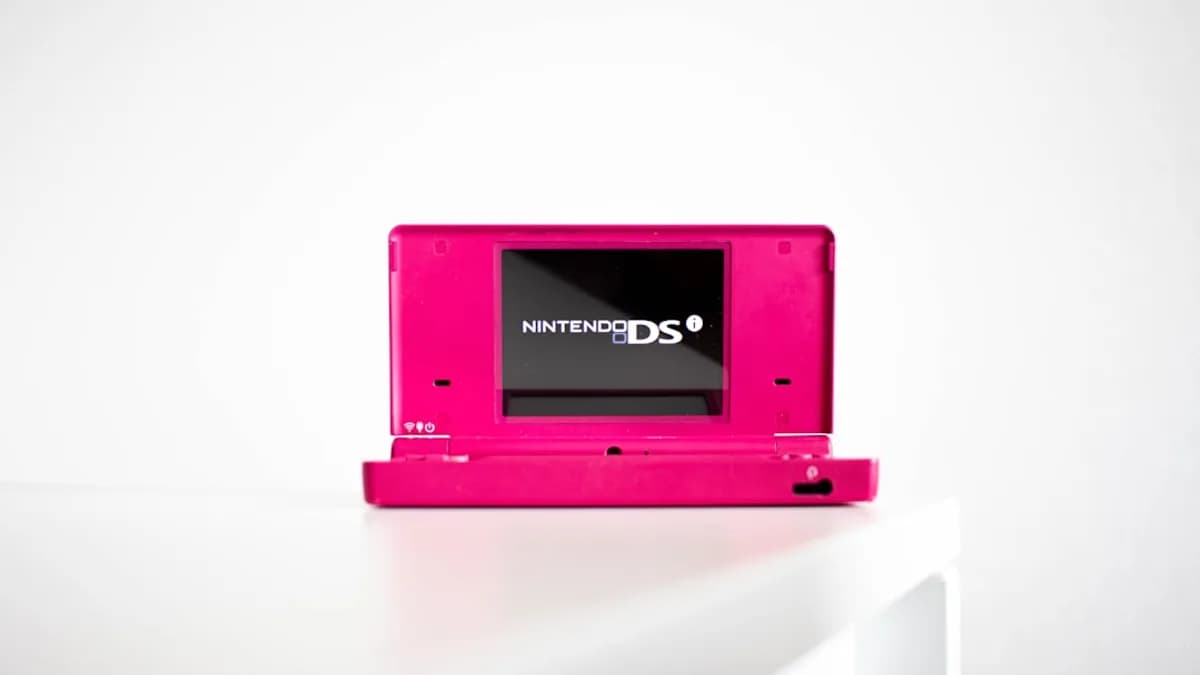
During the mid-2000s, Amazon was hungry for dominance in consumer electronics and saw Nintendo’s wildly popular DS handheld as a key wedge. But Fils-Aimé revealed that Amazon demanded special pricing and treatment that, if granted, would have not only soured relationships with other retailers but also crossed legal red lines. “Amazon wanted Nintendo to do things that were not only preferential, but potentially illegal,” Fils-Aimé told the NYU audience.
Nintendo’s response was surgical: it simply cut Amazon out. For years, major hardware launches—including the DS and Wii—bypassed Amazon, forcing consumers toward brick-and-mortar giants like Walmart, Best Buy, and GameStop. That decision preserved Nintendo’s leverage with its retail network, which was critical for controlling supply, avoiding price wars, and staying on the right side of antitrust law. Fils-Aimé’s disclosure sheds rare light on the cutthroat negotiations that shape what products land on the world’s biggest storefronts—and what doesn’t.
How Amazon’s Aggressive Pricing Strategy Disrupted Nintendo’s Retail Partnerships
The standoff didn’t happen in a vacuum. In the 2000s, Amazon was moving fast to expand beyond books, targeting every consumer category from DVDs to video games. Amazon’s playbook: undercut the competition with razor-thin margins. Industry veterans recall Amazon selling new releases below cost, banking on scale and customer loyalty to crush rivals. The tactic rattled legacy retailers like Walmart and Toys ‘R’ Us—two of Nintendo’s most important partners at the time.
For Nintendo, Amazon’s demands threatened to blow up its finely tuned retail ecosystem. Discounting hardware for one channel would have triggered a domino effect, with every major retailer demanding similar terms. The alternative—letting Amazon sell at a loss—risked eroding hardware margins and devaluing the Nintendo brand.
The result was a retail cold war: Nintendo consoles were noticeably scarce on Amazon for nearly a decade, even as the site became the default shopping destination for millions. Meanwhile, rival Sony managed to keep its PlayStations widely available online, but often had to subsidize deep discounts. Nintendo’s hardline stance protected its price integrity and kept its partners loyal, but at a cost: missed sales and weaker online presence during a period when e-commerce was exploding. The episode is a case study in how platform power dynamics can reshape entire supply chains—and why some companies refuse to play by Amazon’s rules.
Nintendo and Amazon Reconcile: What the Future Holds for Console Sales Online
Years later, the two giants patched things up. Today, you can pre-order the Nintendo Switch 2 on Amazon, and every major Nintendo device is just a click away. This reconciliation signals how much the retail landscape—and Nintendo’s own strategy—has shifted since the DS era.
The thaw is partly about necessity. Online sales now dominate hardware launches. Nintendo can’t afford to ignore Amazon’s reach: nearly 40% of U.S. e-commerce flows through its platform. The pandemic turbocharged this shift, with console sales spiking 35% year-over-year on Amazon during lockdowns, according to third-party estimates. Nintendo’s new openness to Amazon reflects a broader pivot—embracing digital distribution, forging closer ties with e-tailers, and experimenting with direct-to-consumer channels in markets like Japan.
For future console launches, the Nintendo-Amazon detente could mean faster sellouts, more exclusive bundles, and a tighter grip on pricing policies. But the old risks haven’t vanished. Nintendo will need to keep other retailers happy, especially as Amazon flexes its own private-label ambitions and experiments with direct imports. Watch for Nintendo to use limited editions and first-party store exclusives as bargaining chips, hedging against any one retailer’s dominance.
For industry watchers, the saga underscores a persistent truth: platform power shapes every deal. As Amazon tweaks its marketplace policies—and as rivals like Walmart and Target invest billions in e-commerce—brands face tough choices about control, pricing, and visibility. Nintendo’s past and present moves offer a roadmap for navigating those trade-offs. The next test will come when Switch 2 demand surges and every retailer fights for inventory. Expect Nintendo to play hardball, but with more tools—and more leverage—than ever before.
Impact Analysis
- Nintendo's refusal to comply with Amazon's demands preserved fair competition among retailers.
- Consumers were impacted by the absence of Nintendo hardware on Amazon, redirecting sales to other stores.
- The story highlights how behind-the-scenes negotiations can influence product availability and retail landscapes.