Introduction to Amazon’s New GLP-1 Weight Loss Program
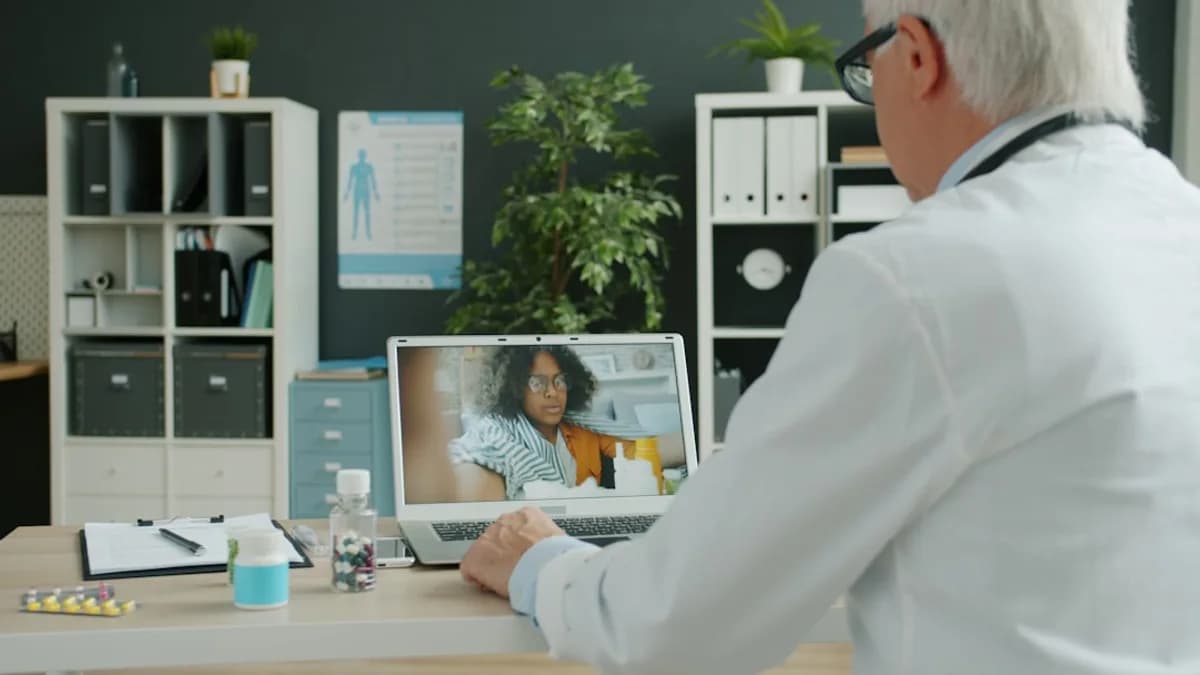
Amazon is starting a weight loss program using GLP-1 drugs, teaming up with One Medical. People who want to lose weight can now get these medicines faster and easier, and see the costs upfront. GLP-1 medicines, like Ozempic and Wegovy, help people lose weight by making them feel full and lowering blood sugar. Doctors often use them for diabetes, but now more people use them for weight loss. Amazon promises its new program will cut the waiting time and guesswork, offering a clear price and a simple process [Source: Google News]. This lets people sign up, talk to a One Medical provider, and—if they qualify—get the medicine delivered to their door. Amazon’s reach and speed could make weight loss drugs more available than ever before.
How Amazon’s Entry Disrupts the GLP-1 Medication Market
Amazon’s move shakes up the market for GLP-1 drugs, hitting big companies like Eli Lilly and Novo Nordisk. Both make popular weight loss drugs, and their stocks fell after Amazon’s news [Source: Google News]. Why? Amazon isn’t just another pharmacy—it’s a giant with millions of customers, fast delivery, and a knack for lowering prices. When Amazon steps in, it often changes how things work. Look at how it changed buying books, electronics, and even groceries.
Now, Amazon could change how people get prescription medicines. Most weight loss programs run through clinics, telehealth startups, or traditional doctors. These often cost more, with hidden fees and slow service. Amazon’s program shows prices upfront, making it easier to compare costs. With One Medical, Amazon also adds trusted care and real doctors, not just online forms.
This could push other companies to speed up their own services or drop prices. For startups like Hims & Hers, which sell GLP-1 drugs online, Amazon’s entry is a threat. They may lose customers who want faster service or lower prices [Source: Google News]. At the same time, Amazon’s huge network might help people in smaller towns get these medicines, where local clinics can’t offer them.
The risk for big drug companies is that Amazon’s scale could push them to lower their prices or offer more transparent deals. If Amazon gets enough customers, it could even bargain for lower drug prices. That’s what it did in the pharmacy world, where it offers cheap generics and fast shipping. In short, Amazon’s entry could mean cheaper, faster, and easier access to GLP-1 drugs for more people.
The Strategic Advantage of Amazon and One Medical Collaboration
Amazon isn’t doing this alone. By working with One Medical, it matches tech and logistics with medical know-how. One Medical has doctors, clinics, and experience with patient care. Amazon brings huge customer reach, fast shipping, and easy online sign-up. Together, they offer something new: real medical care that’s simple to use and easy to get.
For patients, this means fewer steps. You book your visit online, talk to a doctor, and—if approved—get medicine sent to your home. No extra trips, no confusion about costs. Amazon’s system shows the price before you start, so patients know what to expect. This matters because GLP-1 drugs can cost hundreds or thousands of dollars, and hidden fees often scare people away.
Upfront pricing could help more people stick with their treatment. When people know the full cost, they can plan better. That means fewer dropouts and better results. One Medical’s doctors can track progress, adjust doses, and offer advice. This mix of trusted care and easy access could help patients lose weight safely—something that’s often missing in online-only programs.
Amazon’s reach also means it can help more people, not just those in big cities. Many clinics don’t offer GLP-1 drugs, or they make it hard to get them. Amazon’s delivery and online system bring care to people who couldn’t get it before. The partnership could set a new standard for telemedicine and chronic care, blending medical oversight with the speed and ease of a tech company.
Potential Challenges and Risks in Amazon’s GLP-1 Program
Amazon’s entry into weight loss care isn’t without risks. Healthcare is not like selling books or gadgets. There are strict rules, medical privacy laws, and safety concerns. Regulators will watch closely, making sure Amazon follows rules about prescriptions and patient data.
There’s also a worry about quality. If Amazon moves too fast, patients might not get enough medical oversight. GLP-1 drugs can cause side effects like nausea, digestive issues, or even rare but serious risks. Patients need real follow-up care, not just quick prescriptions. One Medical helps, but will Amazon’s speed cut corners?
Another risk is making weight loss drugs feel like an everyday product. When prescription medicines are easy to buy, people might skip talking to their doctor or misuse the drugs. This could lead to poor results or unsafe use. The challenge is to balance convenience with careful medical checks.
Finally, there’s the question of long-term outcomes. GLP-1 drugs are popular now, but we don’t know how they work over many years for weight loss. Amazon must track patient results and share data, so doctors and patients learn what works and what doesn’t.
Broader Implications for the Healthcare and Weight Loss Industries
Amazon’s move could change how we think about healthcare. If people can get prescription drugs online with clear prices, it might shift care away from clinics and toward digital platforms. This could help people with chronic problems, like diabetes or obesity, get help faster and easier.
Telemedicine is growing fast. During the pandemic, millions started using online doctor visits. Amazon and One Medical may push this trend further, letting people manage their health from home. This could make care more affordable and less stressful, especially for busy families or those in rural areas.
For startups and old-school healthcare providers, Amazon’s entry is a wake-up call. Startups like Hims & Hers must offer better service or lower prices to keep customers. Traditional clinics must find ways to compete with Amazon’s speed and convenience. Some may partner with tech companies, or focus on high-touch care for complex cases.
Drug companies may also change how they sell medicines. If Amazon gets enough patients, it could bargain for lower prices and force others to follow. This could help lower drug costs for everyone, but it could also squeeze profits for drug makers.
In the big picture, Amazon’s GLP-1 program shows how technology and healthcare are coming together. In the future, we may see more programs where tech giants team up with doctors to offer care that’s fast, simple, and affordable. But we’ll need strong rules to protect patient safety and privacy.
Conclusion: Amazon’s GLP-1 Program as a Game-Changer with Caution
Amazon’s GLP-1 program could make weight loss medicines easier to get and cheaper for many people. By teaming up with One Medical, it adds trusted care and clear prices to a market that’s often confusing and expensive. This could help more people try new treatments and stick with them.
But as Amazon brings its fast, tech-driven style to healthcare, it must keep patients safe and follow strict rules. We should welcome new ways to get care, but stay alert for shortcuts or risks. As Amazon’s program grows, doctors, regulators, and patients must watch closely to make sure quality, safety, and ethics come first.
If Amazon succeeds, it could change how we get care for chronic problems like obesity, diabetes, or high blood pressure. But it’s not just about speed and price—it’s about making sure people get real help, not just easy access. The story isn’t over yet. Let’s keep asking tough questions, and push for patient-centered care as the new program unfolds.
Why It Matters
- Amazon’s entry could lower costs and speed up access to weight loss medicines.
- The move pressures competitors to improve service quality and pricing transparency.
- Easier access to GLP-1 drugs may expand options for people seeking medical weight loss.