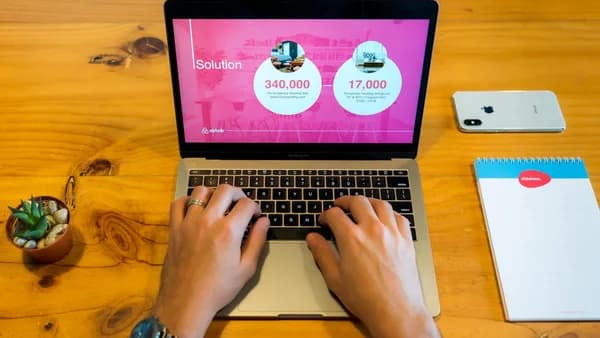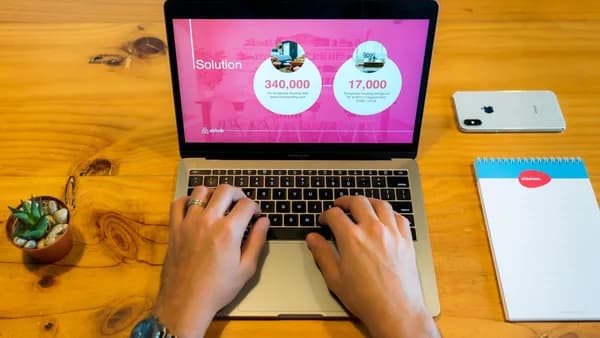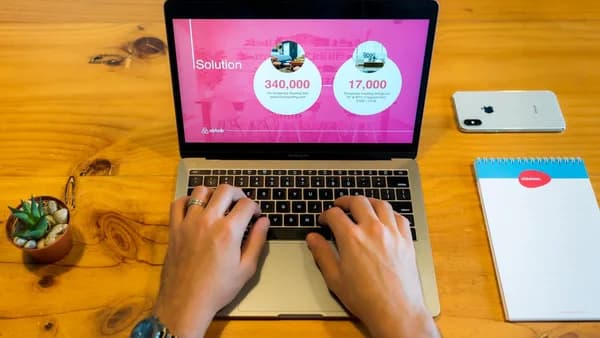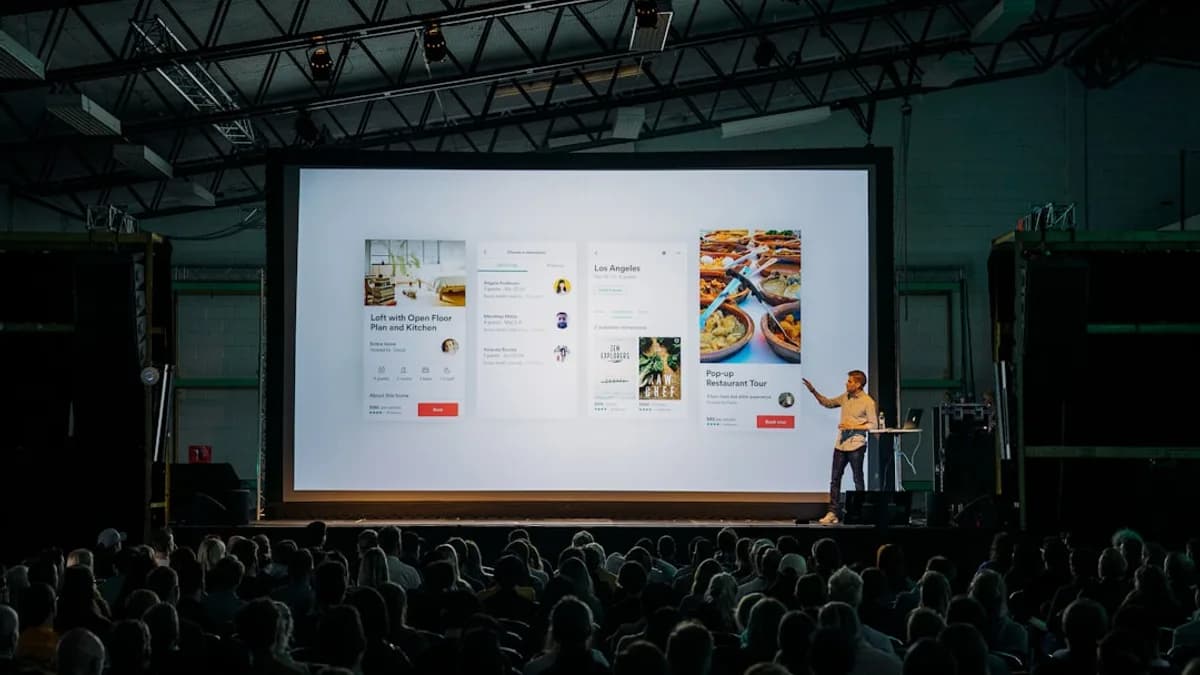
Creating a compelling pitch deck in 2026 has become both an art and a science. The fundraising landscape is more competitive, with investors spending less than four minutes on average reviewing each deck for the first time. If you want to stand out, you need a pitch deck that tells a clear, data-backed story and highlights why your business—and your team—are the ones to watch. In this comprehensive guide, we’ll walk you through how to build a pitch deck in 2026 that actually gets meetings, with step-by-step best practices, actionable templates, and design tips rooted in what investors demand today.
The Importance of a Strong Pitch Deck in 2026
Fundraising in 2026 is more rigorous than ever. According to Pitchgrade, the era of closing rounds with just a vision or a napkin sketch is long gone. Investors are bombarded with hundreds of decks every week and have become adept at filtering out weak pitches in under two minutes (Waveup). Your pitch deck is not a business plan—it’s a visual argument designed to earn a meeting, not to close the deal.
"Investors spend under two minutes reviewing your deck. Most decide in under four slides whether they want to talk to you or not."
— Olena Petrosyuk, Partner at Waveup
A strong pitch deck answers five critical questions in order:
- What problem exists?
- What is your solution?
- How big is the opportunity?
- Why will you win?
- What do you need?
If you can create enough curiosity and credibility in just a few minutes, you dramatically increase your chances of getting that all-important next conversation.
Understanding Your Audience and Goals
Before you build your pitch deck, you must deeply understand who will be reading it and what outcome you want.
Who Are You Pitching?
- Venture Capitalists: Want to see rapid growth, credible market size, and strong unit economics.
- Angel Investors: May be more interested in team and vision but still expect data-backed arguments.
- Accelerators: Look for clarity, scalability, and founder-market fit.
What Is Your Goal?
- Get a Meeting: The deck’s primary job is to get a callback or meeting, not to answer every question.
- Communicate Asynchronously: Most decks are read, not presented live. Assume you will not be in the room to explain every slide (htmldecks.com).
"Your deck needs to tell your story without you in the room, which means it needs to be more self-explanatory."
— Startup Pitch Deck Examples 2026
Tailor your content and structure for fast, independent review. If you’re emailing decks, clarity and structure are even more critical.
Essential Sections of a Pitch Deck
While there’s no one-size-fits-all structure, certain slides are consistently present in decks that get funded in 2026. Below is the most widely used and investor-validated format, drawn from Pitchgrade, htmldecks.com, and Waveup.
| Slide # | Section | What to Include |
|---|---|---|
| 1 | Cover | Company name, one-line description, contact, and date. Example: "Stripe for B2B payments in SEA" |
| 2 | Problem | Concrete, relatable pain point with a story or striking statistic |
| 3 | Solution | How your product solves the problem (demo/screenshot, not feature list) |
| 4 | Market Size | TAM/SAM/SOM with bottom-up calculations (not just a Gartner quote) |
| 5 | Business Model | Revenue model, pricing, LTV/CAC ratio (3:1 is benchmark for SaaS), and unit economics |
| 6 | Traction | Real, verifiable growth—users, revenue, pilots, waitlists, or engagement metrics |
| 7 | Competition | 2x2 matrix or table: how you differ from 3-5 key competitors; NEVER claim "no competition" |
| 8 | Go-to-Market | How you’ll get first 100/1,000 customers; which channels and costs |
| 9 | Team | Photos, names, titles, and 1-2 facts proving founder-market fit and credibility |
| 10 | Financials | 3-year P&L, margin, burn rate, runway projections, and clear assumptions |
| 11 | The Ask | How much you’re raising, on what terms, and what milestones the capital will fund |
| 12 | Appendix | Extra: detailed financials, testimonials, roadmap, supporting data |
Slide Ordering Strategy
According to Waveup, the traditional "problem-solution-market" order (the Sequoia template) works only if you have a huge unfair advantage (like prior exits or breakout ARR growth). Otherwise, lead with your strongest signal—traction, team, or vision.
Design Principles for Clarity and Impact
In 2026, design isn’t about decoration but about making your message easy to understand at a glance. Investors do not reward cleverness—they reward clarity.
Core Design Best Practices
- One Idea Per Slide: Avoid cramming multiple points on a single slide. Each slide should answer one investor question.
- Strong Visual Hierarchy: Guide attention with large headlines, clear subheads, and supporting visuals. Important data goes big and bold.
- Structural Flow: Organize slides in the order investors think—what is it, why does it matter, proof, and why you’re the team to win.
- Signal Before Decoration: Every visual element must support your investment case. Remove anything that distracts (ogscapital.com).
- Consistency: Use a consistent color palette, font, and visual style. Sloppy design signals sloppy execution (htmldecks.com).
What to Avoid
- Overdesigned Slides: Fancy gradients, icons, and dense layouts make your story harder to follow.
- Text Walls: Investors won’t read paragraphs. Use bullets, charts, and images.
"A pitch deck is a decision document. Its job is to help an investor understand the opportunity fast, assess risk fast, and decide whether the company deserves a deeper conversation."
— Pitch Deck Design Best Practices 2026
Content Tips: Storytelling and Data Presentation
Your deck is a compressed business case. Every slide should build your argument and move the reader toward "yes."
Storytelling Structure
- Narrative Arc: The most fundable decks build suspense and increase investor interest slide by slide. Start with the world today, define the breaking point, present your vision, and show proof that it works (htmldecks.com).
- Aha Moment: Plan a slide that makes the investor say, "Wow." This could be a GTM insight, a network effect, or a compelling demo.
Presenting Data
- Traction First: If you have strong metrics, lead with them. For example:
"$2M ARR, growing 25% MoM" or "50,000 active users, 40% weekly retention"
- Bottom-Up Market Sizing: Show how you calculated your market size from actual customer counts and pricing, not from analyst reports.
- Unit Economics: Include benchmarks VCs look for, such as:
- Gross margin: 70%+ for SaaS, 40-60% for marketplaces
- CAC payback period: Under 18 months for early-stage SaaS
- Net dollar retention: Above 110% is a strong signal
Examples of Effective Data Slides
| Metric          | Your Startup | VC Benchmark (SaaS) |
|-----------------|-------------|---------------------|
| Gross Margin    | 72%         | 70%+                |
| CAC Payback     | 14 months   | < 18 months         |
| LTV/CAC Ratio   | 3.5:1       | 3:1+                |
| Net Dollar Ret. | 112%        | 110%+               |
Using Pitch Deck Builders and Templates
In 2026, founders have access to a range of pitch deck builders and downloadable templates. While tools can speed up the process, remember:
- Templates are not a substitute for a good story. Use them for structure and visual polish, but customize every slide to your business and audience.
- Professional Review: Services like OGScapital are recommended for founders who want their decks to be easier for investors to believe, not just prettier.
Recommended Structures (from htmldecks.com)
| Template Name | Best For | Structure Highlights |
|---|---|---|
| Classic 10-Slide | First-time/Seed | Problem, Solution, Market, Product, Traction, Team, Ask |
| Traction-First | Startups with strong growth | Traction, Growth, Problem/Solution, Product, Team, Ask |
| Narrative Arc | Vision-driven/founder stories | World Today, Vision, Proof, Team, Plan |
| Problem-Deep | Complex B2B/Deep Tech | Multi-slide Problem, Approach, Traction, Market, Team |
Most online builder platforms now include these structures by default.
Downloadable Templates
- HTMDecks "Startup Pitch" Template: Follows the classic structure validated by funded decks in 2026.
- OGScapital Custom Decks: For founders seeking investor-focused design and review.
Common Mistakes to Avoid
Even the best ideas can be lost in a sea of pitch decks when these pitfalls appear.
- No Clear Problem: Abstract market observations or a "solution in search of a problem" get skipped.
- Too Many Slides: More than 15 slides is rarely necessary. Too much detail overwhelms and distracts.
- Generic Claims: "No competition," "first-mover advantage," or "we use AI" (without a unique twist) are instant red flags (htmldecks.com).
- Messy Data: Unverifiable or inflated metrics destroy credibility. Every number should be defensible.
- Weak Ask Slide: Not specifying raise amount, terms, or milestones makes you look unprepared.
- Ignoring Design: A sloppy or inconsistent look signals poor execution and turns off investors.
"Most decks don't fail because the business is bad. They fail because the founder followed a template that no longer differentiates anything."
— Waveup
How to Practice and Present Your Pitch
A great deck is just the start—how you deliver it matters too.
Practice Tips
- Speed Dating Test: Try pitching your deck to someone who knows nothing about your business. Can they explain what you do after two minutes?
- First Four Slides Rule: Ask yourself if your most compelling point is among your first four slides. If not, rearrange.
- Don't Read the Slides: Your energy and vision should fill in the details, not just repeat what's on screen (Waveup).
Presentation Day
- Be Ready for Asynchronous Review: Assume the deck will be read alone before you present.
- Leave Time for Questions: Investors will want to probe assumptions and test your knowledge.
- Have an Appendix: Prepare extra slides with financials, testimonials, or roadmap for in-depth questions.
Additional Resources and Tools
For founders looking to accelerate their deck creation and review process, several resources are available:
HTMDecks Startup Pitch Template
- Versatile, used by decks that raised in 2025/2026.
OGScapital Pitch Deck Review
- Professional feedback focused on clarity, credibility, and investor signals.
Pitchgrade Guide:
- In-depth breakdown of each slide with examples.
Waveup Pitch Deck Playbook Webinar:
- 70-minute session analyzing decks that closed real rounds in 2026.
Y Combinator & Sequoia Guides:
- For structure and investor-focused storytelling.
While AI tools and online builders have made creating decks faster, nothing replaces a clear, differentiated story and real, defensible data.
Conclusion: Final Checklist for a Winning Pitch Deck
Before you send your pitch deck out, run through this 2026-ready checklist:
- Does your deck lead with your strongest signal?
- Is there one clear idea per slide, with supporting data?
- Are the slides in an order that’s natural and easy to follow?
- Have you removed any visual clutter or unnecessary decoration?
- Are all numbers real, verifiable, and defensible?
- Does your "Ask" slide specify raise amount, terms, and milestones?
- Is there an appendix with deeper data for those who want more?
- Have you had someone outside your team review for clarity?
If you can confidently answer yes, your deck is ready for 2026’s demanding investor landscape.
FAQ
Q: What is the most important slide in a pitch deck in 2026?
A: The problem slide is still the most critical. It must describe a real, painful problem that enough people have, using a customer story or striking statistic (Pitchgrade).
Q: How many slides should my pitch deck have?
A: The ideal range is 10-15 slides. More than 20 slides is too long; under 10 usually lacks essential detail (Waveup, Pitchgrade).
Q: Do investors care about design or just content?
A: Both matter. Design signals execution quality—sloppy decks get skipped, but overdesign can hurt clarity. Focus on clean, consistent visuals that guide the story (OGScapital, htmldecks.com).
Q: Should I use AI or templates to build my pitch deck?
A: Templates help with structure, but customizing your story and data is essential. AI is now expected, not impressive, unless you have a unique advantage (htmldecks.com).
Q: What financial metrics do VCs expect in 2026?
A: VCs look for strong unit economics: 70%+ gross margin for SaaS, CAC payback under 18 months, LTV/CAC ratio of 3:1 or better, and net dollar retention above 110% (Pitchgrade).
Q: How do I make my pitch deck stand out?
A: Lead with your biggest advantage—traction, team, or a differentiated vision. Avoid generic claims, support every assertion with data, and put your "wow" moment in the first four slides (Waveup).
Bottom Line
Building a pitch deck that gets funded in 2026 means mastering structure, storytelling, and design. Rely on proven templates, but always customize for your unfair advantage and audience. Clarity, credible data, and a compelling narrative are your best tools. Investors decide in minutes—make every slide count.