Top Stories This Month
This month, the technology and finance landscape was marked by major crypto moves, regulatory crackdowns, and advances in artificial intelligence. The following stories topped the headlines and shaped industry discourse:
1. Ethereum Foundation Sells 10,000 Ether to BitMine as Part of Treasury Strategy
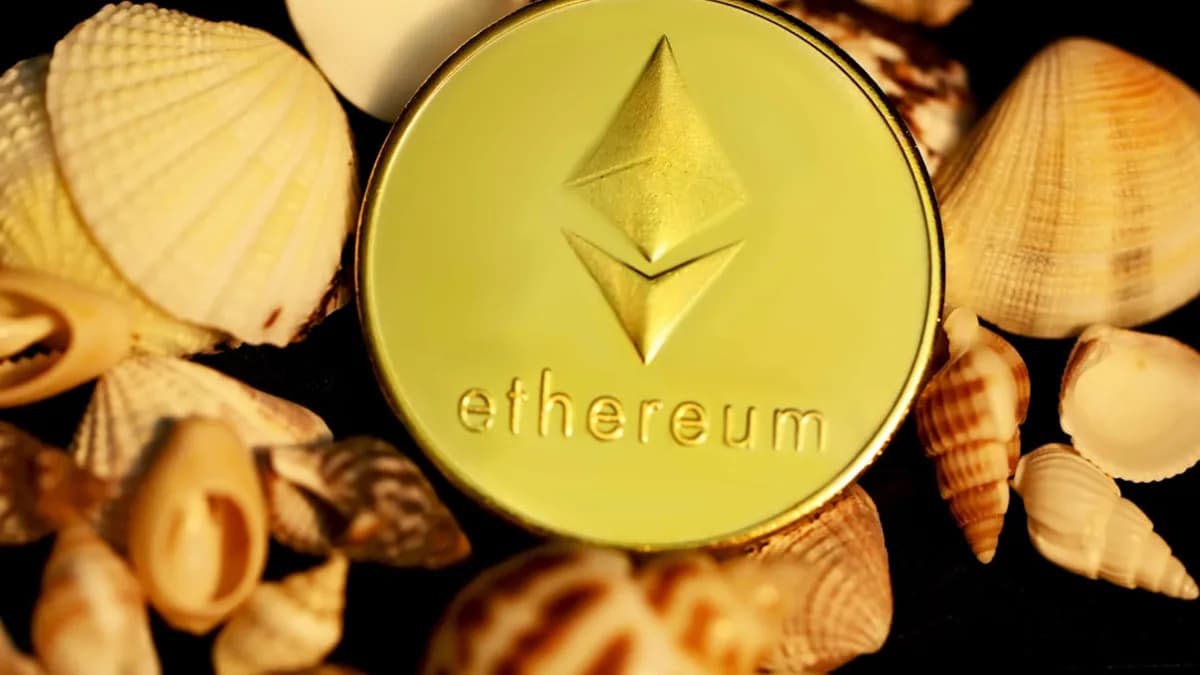
The Ethereum Foundation, a key steward of the world’s second-largest blockchain, finalized the sale of 10,000 ether (ETH) to BitMine. This transaction, valued at over $30 million (assuming ETH at ~$3,000), is a continuation of the Foundation’s strategic treasury diversification. By converting a substantial amount of its ETH holdings into fiat or stablecoins, the Foundation aims to manage risk and ensure long-term funding for ecosystem development—particularly important in the context of crypto’s notorious volatility. Such moves can signal confidence or caution to the market, often preceding or following price fluctuations for ETH. This sale follows earlier asset reallocations and highlights a growing trend among blockchain foundations to hedge against market downturns and ensure operational resilience [Source: Ethereum Foundation finalizes sale of 10,000 ether to BitMine as part of its treasury strategy].
2. Brazil’s Central Bank Restricts Crypto in Regulated Cross-Border Payments
In a landmark regulatory action, Brazil’s central bank banned the use of cryptocurrencies—including major stablecoins like USDT (Tether) and USDC (USD Coin)—in regulated cross-border electronic foreign exchange transactions. This move, intended to safeguard the financial system and bolster oversight, disrupts a rapidly growing market for cryptocurrency-based remittances and international trade settlements in Latin America’s largest economy.
The decision is significant given Brazil’s position as a leader in digital payment innovation. It will likely force fintechs and international businesses to re-evaluate their strategies, and may push crypto activity into less transparent, unregulated channels. The restriction also reflects broader global trends, as central banks worldwide grapple with balancing innovation and risk [Source: Brazil central bank restricts crypto use in regulated cross border payments].
3. OpenAI’s GPT-5.5 Matches Claude Mythos in Cyberattack Capabilities
The AI Security Institute released results showing OpenAI’s latest model, GPT-5.5, matches Anthropic’s Claude Mythos in simulated cyberattack scenarios. This means that the leading large language models (LLMs) are now on par in their ability to generate code, identify vulnerabilities, and automate aspects of cyber operations. The findings underscore both the rapid progress and the mounting risks in AI capability development.
It also raises urgent questions about responsible release strategies, red teaming, and the societal implications of increasingly powerful AI models. Regulatory scrutiny is intensifying, with governments and researchers calling for robust safeguards around AI deployment, especially in critical infrastructure and security applications.
4. Paradigm Proposes PACTs to Address Bitcoin’s Quantum Vulnerabilities
Crypto investment firm Paradigm released a proposal for “PACTs”—a new cryptographic approach designed to mitigate Bitcoin’s vulnerabilities to future quantum computers. As quantum computing advances, it threatens the security of existing public-key cryptography (including Bitcoin’s), which could one day make it feasible to steal funds or forge transactions.
While practical quantum attacks are years away, proactive solutions like PACTs are crucial for long-term confidence in the Bitcoin ecosystem. The proposal sparked robust debate in the developer community and highlights the need for ongoing innovation and collaboration to secure blockchain networks against emerging threats.
5. ECB Holds Rates Steady, Markets Expect Cuts by April 2026
The European Central Bank (ECB) kept interest rates unchanged, citing persistent inflation risks. However, forward guidance and market pricing suggest rate cuts could begin as early as April 2026. This monetary stance reflects a delicate balancing act: containing inflation without stifling growth in a fragile European economy.
The decision reverberated across global markets, influencing currency valuations, bond yields, and risk assets. Investors now closely watch inflation data, energy prices, and geopolitical developments for further clues on the ECB’s next moves.
6. US Imposes New Iran Sanctions, Warns Against Hormuz Toll Payments
The US government announced a new round of sanctions targeting Iran’s economy and issued strong warnings to international shipping firms against paying tolls in the Strait of Hormuz. These measures aim to squeeze Iran’s finances and deter actions deemed destabilizing in the region.
Geopolitical tensions in the Middle East have direct implications for global energy markets, shipping costs, and defense spending. The new sanctions—combined with ongoing uncertainty—contribute to market volatility and risk aversion among investors.
7. Poll: 61% of Americans Believe Attacking Iran Was a Mistake
A new poll found that 61% of Americans now believe military action against Iran was a mistake. This shift in public sentiment could influence US foreign policy, defense priorities, and the upcoming election cycle. It also reflects growing war fatigue and skepticism about the long-term efficacy of military interventions.
8. Dreame—The Vacuum Company—Launches Its Own Phones
In a surprising pivot, Dreame, previously best known for robot vacuums, unveiled two new smartphones with modular camera technology. The launch lacked detailed specifications or clear market availability, raising questions about Dreame’s prospects in the hyper-competitive smartphone sector. The move underscores a growing trend of hardware companies diversifying to capture new consumer markets, but also highlights the challenges of breaking into a saturated field.
9. How We Test AI at ZDNET
ZDNET published a detailed overview of its methodology for evaluating artificial intelligence technologies, including LLMs, computer vision systems, and automation tools. The article emphasizes the importance of rigorous, transparent testing processes for understanding AI’s strengths, limitations, and real-world performance. As AI adoption accelerates, such independent evaluations are critical for both enterprise buyers and everyday users seeking trustworthy insights [Source: How we test AI at ZDNET].
10. Analyzing Key Shifts in Technology, Finance, and Crypto Ecosystems
A deep-dive feature this month examined major shifts in capital flows, market leadership, and AI integration across technology, finance, and crypto. Highlights included TPG’s $10 billion fundraising—demonstrating resilient investor confidence—and the recalibration of risk and innovation strategies in an uncertain macroeconomic environment. The analysis connects the dots between sectoral changes, regulatory developments, and the next wave of technological disruption [Source: Analyzing Key Shifts in Technology, Finance, and Crypto Ecosystems].
Key Takeaways
1. Institutional Crypto Management Is Maturing
The Ethereum Foundation’s asset sale and Brazil’s regulatory clampdown both point to a maturing crypto sector, where treasury management and compliance are increasingly professionalized. Foundations and large holders are hedging against volatility, while regulators are moving to contain perceived risks. This maturation may foster greater institutional participation, but also raises the barrier to entry for smaller players.
- Implication: Expect more transparent, diversified, and risk-averse treasury strategies among major crypto stakeholders. This could dampen short-term price swings but make the ecosystem more robust long-term.
2. Regulatory Uncertainty Is Reshaping Global Crypto Markets
Brazil’s ban on stablecoins for cross-border payments is a significant data point in the global regulatory chess game. It reflects growing concerns about illicit finance, capital flight, and monetary sovereignty. Similar moves are being considered or implemented in other major economies, from the EU to the US and India.
- Implication: Crypto companies must adapt to an increasingly fragmented regulatory environment, while users may seek out less regulated channels, raising new risks and compliance challenges.
3. AI Capability Gains Bring New Risks and Governance Challenges
The leap in AI model capabilities—evidenced by GPT-5.5’s performance in cyberattack scenarios—highlights the double-edged sword of progress: greater utility, but also greater risk. As LLMs become more adept at technical tasks, the line between beneficial and malicious applications blurs.
- Implication: Expect a surge in calls for red teaming, responsible AI development, and possibly new regulatory frameworks governing access to advanced models. Businesses will need to integrate robust AI risk management practices.
4. Quantum Computing Is Forcing Long-Term Security Rethinks
Paradigm’s PACTs proposal shows that the industry is taking quantum threats seriously, even if practical attacks remain years off. There is growing recognition that preparing for post-quantum security is essential for mission-critical infrastructure like Bitcoin, government communications, and financial networks.
- Implication: Developers and institutions will begin prioritizing cryptographic agility, making it easier to upgrade security protocols as the quantum threat landscape evolves.
5. Macro and Geopolitical Volatility Remain Front and Center
The ECB’s interest rate decision, US-Iran tensions, and shifting public opinion about foreign interventions all reinforce the interconnectedness of macroeconomics and geopolitics. Investors are recalibrating risk, while governments walk a tightrope between stability and innovation.
- Implication: Markets will remain sensitive to central bank signals, inflation data, and geopolitical developments. Businesses must stay agile and scenario-plan for abrupt policy shifts or escalations.
6. Hardware Diversification Is a Risky, But Growing Trend
Dreame’s entry into smartphones is emblematic of hardware firms’ search for growth beyond their core markets. While some, like Xiaomi, have succeeded, the field is littered with failed attempts. Success requires not just innovation, but a clear value proposition and go-to-market strategy.
- Implication: Expect more cross-sector experimentation, but also rapid shakeouts as weaker entrants struggle to gain traction.
7. Rigorous, Independent Testing of AI Systems Is Critical
As AI becomes more complex and consequential, trustworthy third-party testing—like ZDNET’s methodology—will be essential for ensuring transparency and accountability. Enterprises and consumers will demand more granular, scenario-driven evaluations to make informed decisions.
- Implication: Certification bodies, testing labs, and independent reviewers will play a larger role in the AI product lifecycle.
8. Investor Confidence Remains—But With a Bias Toward Quality
TPG’s successful fundraising and continued flows into high-conviction tech and finance assets suggest investors are not abandoning the sector—but they are more selective. The focus is shifting toward differentiated, defensible, and scalable innovation, rather than speculative plays.
- Implication: Only the best-positioned projects and companies will attract capital, raising the bar for execution and governance.
What to Watch Next Month
1. Further Regulatory Moves on Crypto and Stablecoins
With Brazil’s decision as a precedent, watch for other emerging markets—and potentially the EU and US—to announce new measures targeting stablecoin use, cross-border payments, and DeFi protocols. Any new regulatory clarity (or crackdown) will move markets and reshape user behavior.
- Key Events: Central bank meetings (Fed, ECB), G20 finance summits, FATF updates on virtual assets.
2. AI Model Releases and Red Teaming Results
OpenAI and Anthropic are expected to provide updates on forthcoming models and additional safety evaluations. Look for more public red teaming reports, as well as regulatory responses from the US AI Safety Institute, UK AI taskforce, and others.
- Key Events: Major AI conferences, open source model launches, regulatory hearings.
3. Quantum-Resistant Crypto Protocols
The debate around Bitcoin’s quantum preparedness will continue, with possible testnet deployments or pilot projects for quantum-resistant cryptography. Developer community consensus (or lack thereof) will shape the pace of adoption.
- Key Events: Bitcoin developer meetings, cryptography workshops, related RFCs.
4. Macro Policy Shifts in Response to Inflation Data
Central bank messaging will be closely scrutinized, especially as new inflation and growth figures are released. Any sign of accelerated rate cuts or new stimulus could trigger asset re-pricings.
- Key Events: CPI/PPI data releases, central bank press conferences.
5. Geopolitical Flashpoints and Market Reaction
US-Iran tensions, developments in the Hormuz Strait, and public opinion on military engagement will remain in focus. Any escalation could impact energy prices, shipping, and defense stocks.
- Key Events: UN Security Council meetings, OPEC updates, regional summits.
6. New Hardware Launches and Diversification Moves
Monitor whether Dreame reveals more about its smartphone ambitions, and whether other hardware brands announce similar pivots. Early market reception and user feedback will be telling.
- Key Events: Major tech expos (e.g., IFA, MWC), company announcements.
7. Evolving Standards for AI Testing and Certification
Look for the emergence of new benchmarks, certification schemes, and best practices for evaluating AI systems. Industry consortia and standards bodies are likely to issue new guidelines.
- Key Events: ISO/IEC committee meetings, industry whitepapers, regulatory guidance.
In summary: This month’s news cycle underscores the growing complexity and interdependence of technology, finance, and geopolitics. Institutionalization and regulation are reshaping crypto, AI is advancing rapidly but not without risks, and both investors and policymakers are recalibrating their strategies for an uncertain future. The coming weeks promise more pivotal developments—and MLXIO will continue to provide in-depth analysis as these stories evolve.