What Happened
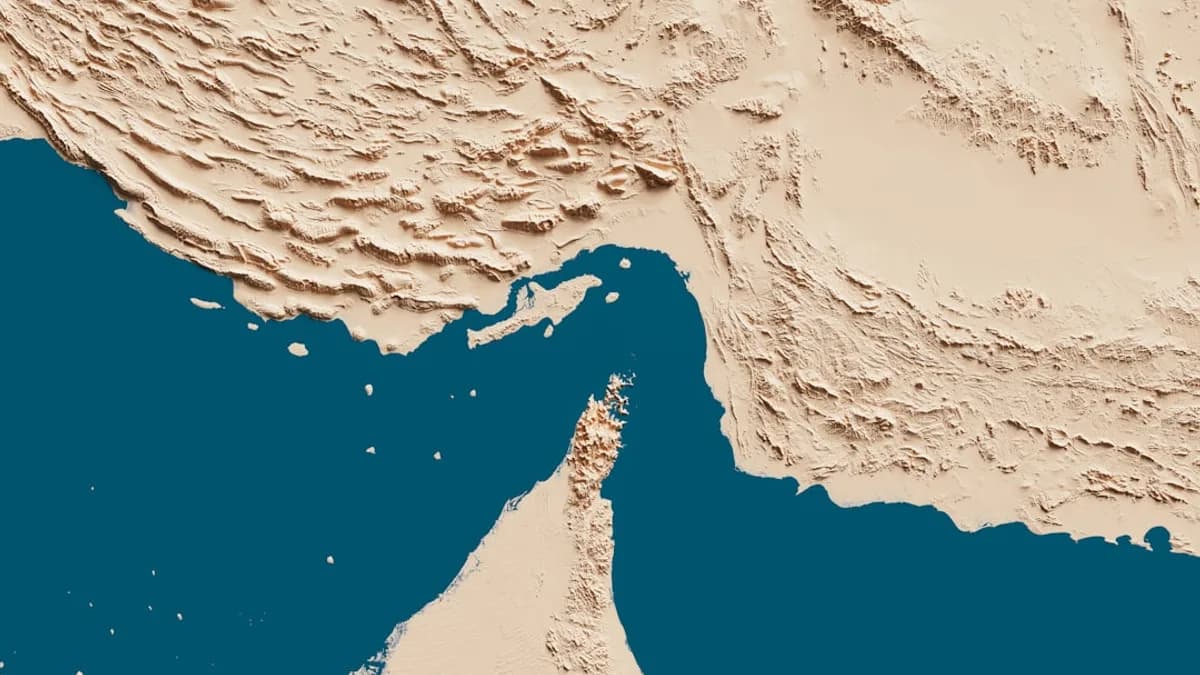
In a dramatic escalation of tensions in the Middle East, the United States announced it will begin a naval blockade of Iranian ports and impose a partial blockade on the Strait of Hormuz after high-level peace talks with Iran failed to reach an agreement. This move, confirmed by President Trump, marks a significant shift in U.S. policy towards Iran and the strategic waterway, which handles approximately 20% of global oil shipments [Source: CNBC]. The U.S. Navy is reportedly preparing to interdict vessels entering and leaving Iranian ports, while also initiating mine-sweeping and patrol operations to control maritime traffic through the strait [Source: CNN].
The announcement triggered immediate and far-reaching impacts across geopolitical, military, and financial spheres. Global oil prices surged above $100 per barrel, reflecting fears of major supply disruptions. Simultaneously, U.S. equity futures tumbled, with Dow futures dropping as much as 500 points before partially recovering as markets digested the news [Source: CNBC]. Iran, for its part, condemned the blockade as a violation of ceasefire agreements and warned that it would retaliate against U.S. interests and other regional ports if its own maritime access is threatened [Source: The Guardian].
The decision follows weeks of rising tensions in the Persian Gulf. Prior to this, Iran had increased its own military presence in the Strait of Hormuz, reportedly deploying mines and threatening to block commercial shipping as leverage in negotiations. The failure of talks has now set the stage for a high-stakes maritime confrontation with global economic ramifications.
Why It Matters
Strategic Importance of the Strait of Hormuz
The Strait of Hormuz is arguably the most critical chokepoint in the global energy supply chain. Around 21 million barrels of oil per day—roughly a fifth of global consumption—pass through this narrow waterway, which sits between Iran and Oman [Source: U.S. Energy Information Administration]. Any military action or significant disruption in the strait has the potential to send shockwaves through energy markets, spike transportation costs, and trigger supply shortages worldwide.
Economic and Financial Fallout
The initial market response illustrates the magnitude of concern. Oil prices immediately soared above $100 per barrel, a threshold not seen since previous major Middle East crises. This rapid appreciation in oil prices is likely to feed through to inflation globally, particularly in energy-importing economies. Meanwhile, equity markets reacted with alarm, with Dow futures plunging 500 points in the aftermath of the announcement. This reflects investors’ fears of an extended conflict that could destabilize global growth just as many economies are struggling with post-pandemic recovery and persistent inflationary pressures [Source: CNBC].
Risk of Regional Escalation
Iran’s warning that it would target other ports in the Persian Gulf and Sea of Oman if blockaded introduces the risk of a broader regional conflict. The Persian Gulf is dotted with critical infrastructure—oil terminals, refineries, and shipping hubs—owned by U.S. partners such as Saudi Arabia, the United Arab Emirates, and Kuwait. Any Iranian retaliation against these assets could draw these countries, and potentially global military coalitions, into open hostilities [Source: AP News].
Military Complexity and Uncertainties
Blockading Iran’s ports and enforcing control over the Strait of Hormuz would be a massive and complex military undertaking. The U.S. Navy would need to deploy significant naval and air assets, conduct mine-clearing operations, and be prepared for asymmetric tactics from Iranian forces, including fast attack boats, drones, and missile strikes [Source: CNN]. The risk of miscalculation or unintended escalation in such a crowded and strategically sensitive area is high.
Who's Affected
Global Energy Markets and Consumers
With 20% of the world’s oil supply at risk, both producers and consumers are directly impacted. Energy-importing nations in Asia (China, Japan, South Korea, India) are particularly vulnerable to price shocks and supply disruptions. Higher oil prices will translate into increased gasoline, diesel, and heating costs for consumers worldwide, further exacerbating inflation [Source: Wall Street Journal].
Shipping and Insurance Industries
Maritime traffic through the Persian Gulf is already showing signs of disruption, as vessels reroute or halt transit in anticipation of hostilities. Insurance premiums for ships traversing the region are likely to spike, raising costs and introducing new logistical challenges for international freight operators [Source: Reuters]. Some shipping companies may suspend operations entirely, amplifying the supply chain impact.
U.S. Allies and Regional Security
U.S. partners in the Gulf Cooperation Council (GCC)—notably Saudi Arabia, the UAE, and Kuwait—face heightened risk of both economic and physical attacks on their infrastructure. These countries are key nodes in global energy supply and their stability is crucial to the world economy. The potential for Iranian countermeasures against their ports or energy installations raises the specter of a wider regional war [Source: The Guardian].
Iran’s Economy and Civilian Population
Iran’s already struggling economy, under years of sanctions, faces further isolation. A blockade would cut off vital imports, disrupt exports (including oil), and likely lead to shortages of essential goods. Iranian civilians could bear the brunt of economic hardship, escalating humanitarian concerns [Source: Al Jazeera].
Global Financial Markets
The immediate sell-off in global equities—especially in energy-sensitive sectors and emerging markets—is likely just the beginning. Prolonged uncertainty could trigger capital flight from riskier assets, increase market volatility, and complicate central bank efforts to manage inflation and support growth [Source: CNBC].
Industry Reactions
Energy Sector
Major oil companies such as ExxonMobil, BP, and Saudi Aramco have reportedly activated contingency plans, including rerouting tankers and bolstering security at regional facilities. Industry analysts warn that even a partial and temporary blockade could remove several million barrels per day from the market, pushing prices to multi-year highs and threatening global energy security [Source: Reuters].
Energy market analysts at Goldman Sachs and JP Morgan have revised their short-term oil price forecasts upward, with some projecting prices could exceed $120 per barrel if the standoff persists for several weeks [Source: CNBC].
Shipping and Logistics
Lloyd’s of London and other maritime insurers have placed the Persian Gulf region under “war risk” advisories, dramatically increasing premiums for vessels operating in the area. Major shipping lines, including Maersk and MSC, are reportedly assessing rerouting options, with some suspending bookings for Gulf destinations until clarity emerges [Source: Reuters].
Defense and Security Experts
Military analysts emphasize the logistical challenges of enforcing a blockade against a nation as large and well-armed as Iran. The U.S. would need to maintain a large naval presence, coordinate with allies, and contend with Iran’s capacity for asymmetric warfare, including the use of mines, submarines, and missile attacks on both military and civilian ships [Source: CNN, WSJ]. Former U.S. defense officials caution that any miscalculation could trigger a rapid escalation, drawing in regional powers and potentially leading to direct confrontation with Iran’s allies, including Russia and China.
Political and Diplomatic Leaders
European leaders, including those from the EU and UK, have called for restraint and urged both sides to return to negotiations. China and India, two of the largest importers of Middle Eastern oil, have expressed grave concern and called for the protection of maritime freedom and the global energy supply chain [Source: Reuters].
Iranian Response
Iranian officials condemned the U.S. action as “economic warfare” and an act of aggression. Tehran has threatened to close off the Strait of Hormuz to all maritime traffic, not just U.S.-bound ships, and to strike U.S. and allied targets in the region if attacked [Source: The Guardian]. The Iranian military has reportedly begun mobilizing assets along the Gulf coast, including missile batteries and naval units.
Financial Markets
Wall Street’s reaction was immediate: energy stocks surged while airlines, shipping, and consumer-sensitive sectors tumbled, reflecting concerns over rising costs and disrupted supply chains. Safe-haven assets such as gold and U.S. Treasuries saw inflows, signaling increased risk aversion among investors [Source: CNBC].
Predictions & Next Steps
Short-Term Outlook
- Oil Prices and Inflation: Oil prices are likely to remain highly volatile, with the potential to spike substantially higher if hostilities escalate or if shipping through the Strait of Hormuz is materially disrupted. Higher energy costs will feed into inflation globally, forcing central banks to reconsider their monetary policy stances [Source: CNBC].
- Global Markets: Equity markets will remain under pressure, especially in sectors sensitive to energy prices and global trade. Volatility will likely persist until there is greater clarity on the duration and scope of the blockade and the risk of broader conflict.
- Military Posturing: The U.S. Navy is expected to rapidly deploy additional assets to the region, including aircraft carrier strike groups, mine countermeasure ships, and surveillance aircraft. Iran will likely mobilize its own forces along the Gulf coast, raising the risk of accidental or intentional clashes [Source: CNN].
Medium-Term Scenarios
- Negotiated De-escalation: Despite the saber-rattling, both sides may seek backchannel negotiations to avoid a catastrophic conflict. Potential mediators could include neutral Gulf states, the EU, or even China, which has a vested interest in uninterrupted energy flows.
- Prolonged Stand-Off: If negotiations stall, a protracted blockade could ensue, with intermittent skirmishes at sea and continued disruption to global shipping and energy markets. This would likely result in sustained high oil prices, worsening inflation, and increasing the risk of a global economic downturn.
- Wider Regional War: In the worst-case scenario, Iranian retaliation against U.S. or allied infrastructure could trigger a broad regional conflict, drawing in multiple state and non-state actors. This would have devastating effects on global markets, energy supplies, and regional stability.
Strategic Implications
- Global Supply Chain Diversification: Companies and countries will accelerate efforts to diversify energy and supply chain dependencies away from the Persian Gulf. This could benefit alternative suppliers like the U.S., Brazil, and West Africa, but replacing Persian Gulf capacity will take time and investment.
- Maritime Security Investments: Expect a surge in demand for maritime security services, naval escorts, and insurance products. Governments and private sector players will likely invest in new technologies for ship tracking, mine detection, and threat mitigation.
- Diplomatic Realignment: The crisis may prompt new diplomatic alignments, with energy importers such as China and India playing more active roles in Gulf security discussions. The U.S. may also seek to strengthen alliances with regional partners and NATO.
What to Watch
- Shipping Data: Monitor real-time vessel tracking and port activity for signs of significant disruptions.
- Energy Prices: Watch for further moves in oil and gas markets, which will provide early signals of the crisis’s economic impact.
- Official Statements: Track communications from the U.S., Iran, the EU, and Gulf states for signs of escalation or willingness to resume talks.
- Military Movements: Open-source intelligence on naval deployments and exercises in the region will offer clues to the potential for conflict.
The situation remains highly fluid. While a direct confrontation is not inevitable, the risks of miscalculation and unintended escalation are high. Markets, policymakers, and industry leaders must prepare for a period of significant uncertainty and heightened volatility, with far-reaching consequences for global security and the world economy. As developments unfold, MLXIO will continue to provide in-depth analysis and updates.
For further reading and real-time updates, consult primary sources such as CNBC, CNN, The Guardian, Reuters, AP News, and WSJ.