What Happened
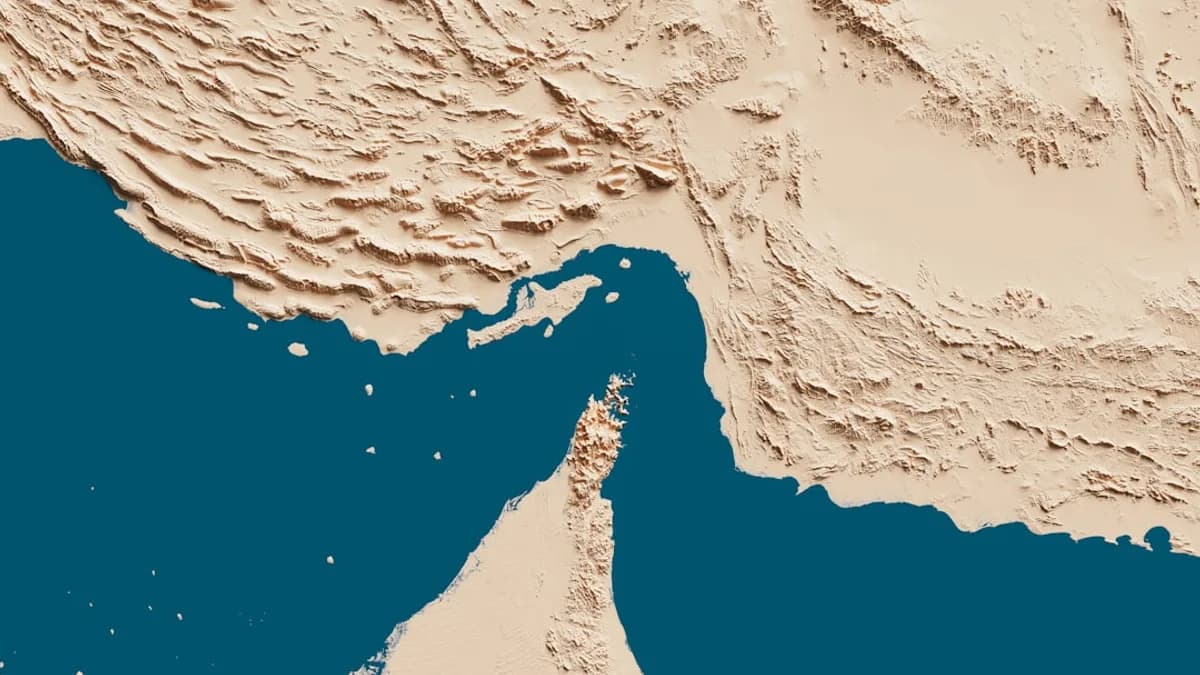
On the heels of failed peace talks between the United States and Iran, President Trump announced that the U.S. military will begin a naval blockade of Iranian ports and initiate a partial blockade of the Strait of Hormuz—a chokepoint responsible for nearly one-fifth of global oil shipments. Live updates from CBS News, CNBC, The Guardian, and others confirm that U.S. Navy assets are mobilizing to block incoming and outgoing vessels from Iranian ports, and to restrict passage through the Strait of Hormuz for ships either originating from or destined for Iran [Source: CBS News][Source: CNBC][Source: The Guardian].
The situation escalated rapidly after negotiations aimed at de-escalating tensions and preserving maritime trade in the Persian Gulf region collapsed. Both sides have issued stark warnings: the U.S. is threatening to eliminate Iranian ships that attempt to break the blockade, while Iran has responded that no port in the Persian Gulf or Sea of Oman will be safe if its own ports are threatened [Source: Al Jazeera][Source: WSJ]. Iran also warned that a U.S. blockade would violate the ceasefire agreement, risking further military confrontation [Source: The Guardian].
The blockade is not only military in nature but also economic, as ship traffic has already begun to halt in the Strait of Hormuz, causing immediate spikes in oil prices—surging above $100 per barrel—and triggering a sharp decline in Dow futures, with drops of over 500 points reported [Source: CNBC][Source: CNN]. The U.S. Navy is also preparing for mine-sweeping operations, anticipating Iranian attempts to disrupt maritime traffic with mines or other asymmetric tactics [Source: CNN].
Why It Matters
Geopolitical Significance
The Strait of Hormuz is the world’s most important oil transit chokepoint. Approximately 21 million barrels of oil per day—about 21% of global petroleum liquids consumption—flow through this narrow passage [Source: U.S. Energy Information Administration]. Any disruption here has outsized effects on global energy markets, supply chains, and economic stability.
A U.S. blockade, especially one targeting Iranian ports and restricting Iranian shipping, marks a dramatic escalation in the ongoing U.S.-Iran confrontation. It signals a willingness to use military force to achieve political objectives, risking direct conflict with Iran and its regional allies. The move also tests international law, as blockades are generally considered acts of war under the UN Charter unless sanctioned by the Security Council or justified under self-defense.
Economic Impact
Oil prices surged above $100 per barrel within hours of the announcement, reflecting market fears of supply disruption and heightened geopolitical risk [Source: CNBC]. This spike is likely to ripple through the global economy, increasing transport costs, fueling inflation, and threatening fragile post-pandemic recovery in many countries. The sharp drop in Dow futures—over 500 points—signals investor anxiety and uncertainty about the broader impact on financial markets [Source: CNBC].
Shipping companies and insurers immediately began rerouting vessels, suspending operations through the Strait, and raising premiums for any ships risking passage. The blockade also impacts LNG (liquefied natural gas) exports and containerized goods, creating bottlenecks for supply chains dependent on Middle Eastern ports.
Military and Security Dimensions
The U.S. Navy’s mobilization for blockade and mine-sweeping operations is a large-scale commitment, requiring significant resources and coordination. Experts note that enforcing a blockade in this region is complex, given Iran’s experience with asymmetric warfare, including mines, fast attack boats, and proxy forces [Source: CNN][Source: Reuters]. The potential for escalation—accidental or deliberate—is high, with both sides threatening to target each other’s ports and infrastructure.
Diplomatic and Legal Consequences
The blockade risks violating international agreements and norms, especially as Iran claims it would breach the ceasefire. Regional powers such as Saudi Arabia, the UAE, and Iraq are watching closely, as their own ports and shipping lanes could be caught in the crossfire. The U.S. move may also strain relations with allies and partners, particularly those reliant on Middle Eastern energy supplies.
Who's Affected
Energy Markets and Consumers
Oil-importing nations, especially in Asia and Europe, face immediate consequences. China, Japan, South Korea, and India are among the largest importers of oil transiting the Strait of Hormuz. Any sustained disruption will force them to seek alternative sources—often at higher prices—or risk energy shortages.
Consumers worldwide will feel the impact at the pump and in energy bills. Higher oil prices translate into increased costs for transportation, manufacturing, and logistics, potentially fueling inflation and reducing disposable income.
Shipping and Logistics Companies
Major shipping firms, insurers, and port operators are directly affected. Vessels are being rerouted, delayed, or suspended, while insurance premiums for transit through the region have skyrocketed. This creates knock-on effects for supply chains, as goods and raw materials are delayed or rerouted through less efficient paths.
Military Personnel and Regional Security Forces
Thousands of U.S. Navy personnel and allied forces are being deployed or repositioned to enforce the blockade and protect shipping lanes. Iranian military and Revolutionary Guard units are also mobilizing, increasing the risk of accidental encounters or deliberate escalation.
Local Economies and Populations
Iranian port cities, already struggling under sanctions, face further economic isolation. Workers, businesses, and families dependent on port activities and trade are at risk of losing jobs and income. Neighboring countries may also see disruptions to their own port operations and trade flows.
Political Stakeholders
U.S. leadership faces scrutiny from domestic and international audiences regarding the wisdom and legality of the blockade. Iranian leaders are under pressure to respond forcefully, risking further conflict. Regional powers, including Saudi Arabia, the UAE, and Iraq, must navigate the fallout and potential spillover effects.
Industry Reactions
Oil and Commodity Markets
Oil traders responded with immediate price hikes, as uncertainty and risk premiums soared. Futures contracts for Brent and WTI crude surged past $100 per barrel, reflecting fears of sustained disruption [Source: CNBC][Source: CNN]. Analysts warn that even a partial blockade could remove millions of barrels per day from the market, exacerbating existing supply constraints.
Shipping insurers and logistics firms began suspending operations through the Strait, rerouting vessels, and raising premiums. Lloyd’s of London and other major insurers issued advisories warning against transit, citing “war risk” and “force majeure” clauses.
Military and Security Experts
Experts interviewed by Reuters and CNN highlighted the complexity of enforcing a blockade in the region. The U.S. Navy must contend not only with Iranian naval forces but also with mines, drones, and fast attack boats. “This is a major military endeavor,” said one analyst, noting the potential for escalation into wider conflict [Source: Reuters][Source: CNN].
Iran’s warning that it could strike ports throughout the Persian Gulf and Sea of Oman has raised fears among regional militaries, prompting increased alert levels and defensive measures. The U.S. also faces the challenge of maintaining freedom of navigation for non-Iranian vessels, balancing enforcement with diplomatic sensitivities.
Political and Diplomatic Reactions
The United Nations and European Union have called for restraint, urging both sides to return to negotiations. Several Gulf states have publicly expressed concern, fearing the blockade could spill over into their own ports and jeopardize regional stability.
Domestic political reactions in the U.S. have been mixed. Some lawmakers support the show of force as necessary to contain Iranian aggression, while others warn of risks to global stability and the potential for entanglement in another Middle Eastern conflict.
Business and Industry Leaders
Major energy companies, including ExxonMobil, Shell, and Total, are monitoring the situation closely, preparing contingency plans for supply disruption and adjusting contracts as needed. Airline and shipping CEOs warn of potential delays and increased costs, urging governments to prioritize diplomatic solutions.
Predictions & Next Steps
Short-Term Outlook
- Escalation Risk: The immediate risk is further military escalation. With both sides threatening to target ports and naval assets, any incident—such as the destruction of a ship or mine explosion—could trigger broader conflict.
- Market Volatility: Oil and energy markets will remain volatile, with prices likely to stay elevated or rise further if the blockade is sustained. Investors should expect continued uncertainty and potential for rapid swings in equities and commodities.
- Shipping Disruptions: Major shipping firms will continue rerouting vessels away from the Strait, creating bottlenecks and delays in global supply chains. Insurance premiums will remain high, and some cargoes may be stranded or require costly alternative routes.
Medium-Term Scenarios
- Negotiation Pressure: International actors, including the UN, EU, and regional Gulf states, will likely intensify diplomatic efforts to broker a new ceasefire or compromise. The economic and political costs of a sustained blockade are significant enough to incentivize talks.
- Iranian Response: Iran is likely to deploy asymmetric tactics—mines, fast boats, drones—to challenge the blockade and signal resolve. Attacks on regional ports or infrastructure cannot be ruled out, especially if Iranian economic interests are severely threatened.
- U.S. Military Commitment: The U.S. Navy will face sustained operational demands, including mine-sweeping, patrolling, and escorting non-Iranian vessels. This could require additional deployments and coordination with regional allies.
Long-Term Implications
- Redrawing Energy Supply Routes: If the blockade persists, global energy supply chains may be forced to adapt, with increased investment in alternative routes (like pipelines bypassing the Strait) and sources (U.S. shale, African oil, etc.).
- Legal and Diplomatic Fallout: The U.S. blockade could set precedents for maritime enforcement and conflict, affecting future disputes in other global chokepoints (e.g., South China Sea). International law and norms may be tested, with debates over the legitimacy of unilateral blockades.
- Regional Destabilization: Sustained tension could destabilize the Persian Gulf, affecting not only Iran and the U.S. but also Saudi Arabia, the UAE, and Iraq. Proxy conflicts and attacks on infrastructure may increase, further threatening global trade.
Potential for De-escalation
While the risk of escalation is high, economic and political pressures may push both sides toward negotiation. The international community, especially major energy importers, has strong incentives to facilitate dialogue and restore stability. Diplomatic channels remain open, though trust is low and stakes are high.
Monitoring Indicators
- Oil Prices: Continued volatility and sustained highs indicate market fears of prolonged disruption.
- Shipping Activity: Changes in vessel traffic, insurance rates, and rerouting patterns signal operational impact.
- Military Movements: Deployment of additional naval assets, mine-sweeping operations, and reported incidents will shape the security environment.
- Diplomatic Statements: Calls for restraint, offers of mediation, and formal protests from international organizations are key to tracking the likelihood of negotiations.
Conclusion
The U.S. decision to blockade Iranian ports and partially restrict the Strait of Hormuz marks a pivotal moment in Middle Eastern geopolitics and global energy markets. The immediate fallout is visible in surging oil prices, plunging equity markets, and heightened military activity. The longer-term impact will depend on the ability of both sides—and international actors—to avoid escalation and restore stability. For now, stakeholders across industries, governments, and local populations must brace for uncertainty and prepare contingency plans as the crisis unfolds.
[Source: CBS News][Source: CNBC][Source: The Guardian][Source: CNN][Source: WSJ][Source: Reuters][Source: AP News][Source: U.S. Energy Information Administration]