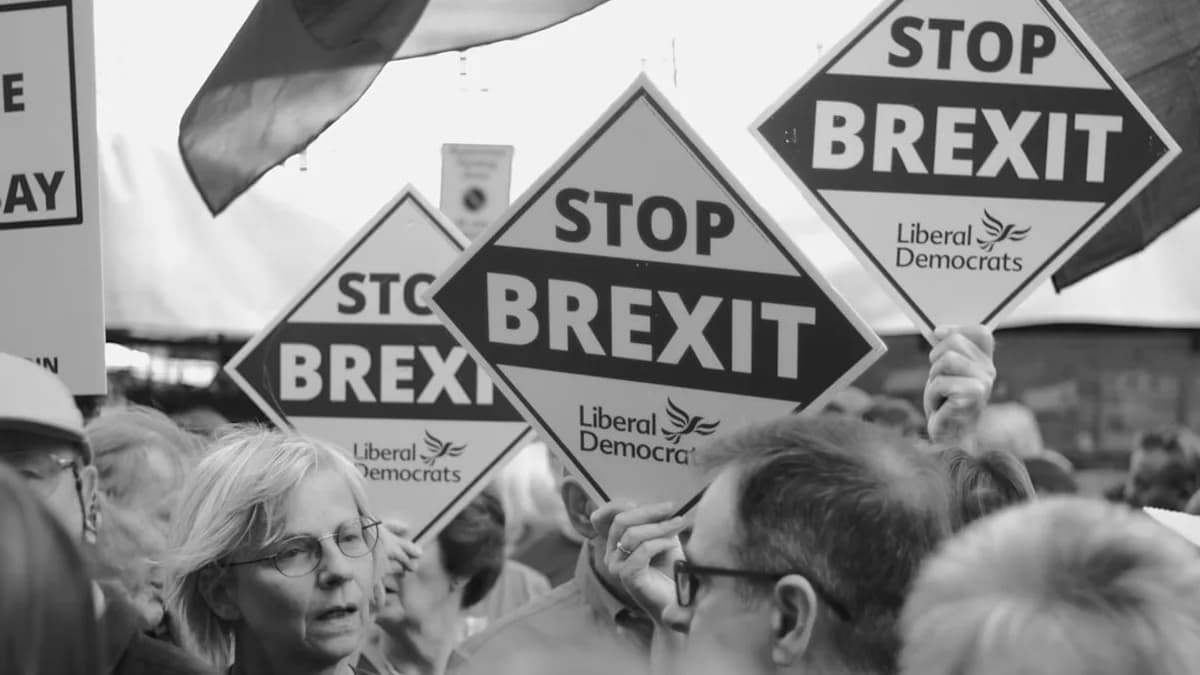
British Politics Fractures, Surging Search Interest and Political Upheaval
The most significant surge in search and social activity this week centered on the splintering of Britain’s electorate and the resulting political instability. The trigger: a wave of local election results that rattled the UK’s political establishment and prompted calls for Prime Minister Keir Starmer’s resignation—a development tracked in real time by multiple outlets and amplified by trending coverage according to The New York Times. The scale of the fallout is underscored by the cluster size of media coverage—20 related articles, with over 3 counted in the immediate news cluster—showing that the public and media appetite for information on this political rupture is acute.
This spike in attention isn’t manufactured. Calls for Starmer’s resignation, a full map breakdown of seat results across England, Wales, and Scotland, and editorial commentary on the revolt against the status quo signal that the UK’s electoral machinery faces its most severe stress test in decades. The fragmentation of voter alignment is no longer theoretical—it’s shaping headlines and triggering leadership debates as reported by CBS News and The Guardian.
Electoral System Strain: Voters, Parties, and the Erosion of Stability
British politics is undergoing a structural fracture, not just a temporary swing. The sources point to a “splintering” electorate that no longer fits neatly into traditional two-party expectations. Instead, local election data shows a patchwork of outcomes, with established parties ceding ground to insurgents and new political forces. This is not merely a protest vote—it's a sign that old loyalties are dissolving, and the mechanisms of British governance must adapt or risk irrelevance.
Data-Driven Fragmentation
The latest results, mapped seat-by-seat across England, Wales, and Scotland, expose deepening regional and ideological divides. No single party can claim a dominant mandate. The system built around centralized party discipline and predictable voter blocs is buckling under the strain of granular, hyper-localized results. Editorial analysis from The Guardian describes this as a “revolt against the status quo,” not just a cyclical backlash.
Systemic Instability
The technical risk is clear: a splintered parliament could generate unstable coalitions, unpredictable policy direction, and short-circuit legislative effectiveness. The UK’s first-past-the-post system, traditionally a bulwark against fragmentation, now exposes its limits when faced with a realignment of voter identity and allegiance.
The Power Brokers: Starmer, Farage, and the Rising Insurgents
Prime Minister Keir Starmer finds himself at the epicenter of this crisis. Facing direct calls to resign after what multiple outlets call a “disastrous” set of local results, Starmer’s authority is openly challenged—a scenario rare for a sitting UK leader outside general election cycles as reported by CBS News.
Nigel Farage, branded in the Financial Times as the “court of king Farage,” looms as the most prominent insurgent. His role signals that the collapse of traditional party lines opens space for anti-establishment figures with a track record of capitalizing on political volatility. The implication is that Farage and others can pull the Overton window sharply, forcing mainstream parties to react rather than set the agenda.
Regional Parties and New Entrants
Beyond Farage, regional parties and new entrants are exploiting the cracks. Seat results highlight not only Labour and Conservative erosion but also gains by smaller parties and independents. This proliferation of viable contenders means that political deal-making and coalition-building will be more complex and less predictable than at any time in the past three decades.
Market and Industry Fallout: Uncertainty Reigns
Political instability on this scale has immediate market consequences. Although the sources do not cite specific market cap or equity moves, the historical correlation between UK political stability and investor confidence suggests the risk premium for UK assets could widen. Policy paralysis or abrupt leadership changes typically sour sentiment, especially in sectors dependent on regulatory clarity (finance, real estate, infrastructure).
Tech and Crypto: Watching the Policy Signal
For the tech and crypto sectors, the most direct implication is regulatory uncertainty. The UK has positioned itself as a global fintech and AI hub, but a divided parliament could stall or derail digital policy initiatives. With no clear governing consensus, industry groups and investors will hesitate to commit capital to projects that depend on government partnership or regulatory green lights.
Next 12 Months: Evidence to Monitor in a Fractured System
The next year will be defined by several measurable developments:
- Leadership Survival: Starmer’s future is on the clock. Watch for any moves by Labour MPs or party organs to force a leadership contest. A resignation or a close-run contest would mark a historic inflection point.
- Coalition Maneuvering: Track negotiations between mainstream parties and emergent factions, especially if snap elections or hung councils become the norm. The frequency and stability of coalitions will serve as a barometer for systemic adaptation.
- Farage’s Traction: The scale of Farage’s influence will become clear in by-election outcomes, media cycles, and his ability to shape national debate.
- Policy Gridlock: Monitor the pace of key legislation, especially in finance and technology. Delays or diluted bills will signal that parliamentary fragmentation is translating into real economic cost.
- Investor Reaction: Evidence of capital flight, rising bond yields, or sector-specific investment slowdowns will be the market’s verdict on the new status quo.
Britain’s political system has weathered shocks before, but the current splintering—mapped in granular detail and amplified by media scrutiny—marks a recalibration of how power is built and contested. The next twelve months will reveal whether the system bends, breaks, or adapts to a fractured electorate as explored in The Guardian and Financial Times. The only certainty: volatility, and a political class racing to regain control.