Starlink’s Singapore Airlines Deal and Bacterial “Training” Breakthrough Are Reshaping Tech Narratives
Starlink’s announcement of a 2027 rollout on Singapore Airlines, paired with a breakthrough in bacterial “training” from NUS, have sparked a sharp uptick in regional and global tech searches—Singapore Airlines saw a 310% spike in Google Trends over the past 48 hours, while “bacteria plastic munching” trended on niche science and sustainability forums. These news items are not isolated: they reflect an accelerating convergence of deep tech innovation (in connectivity and bioengineering) with aggressive corporate adoption cycles. The unusually tight news cluster—just two stories, but each rapidly syndicated across outlets like The Straits Times, PaxEx.Aero, and NUS—signals investor and public appetite for material advances, not just incremental upgrades.
The common denominator: both stories demonstrate how infrastructure-level change (satellite internet at 36,000 feet, programmable microbes in industrial recycling) is moving from R&D to real-world deployment. This shift is pulling in capital and attention at the expense of legacy solutions, as investors hunt for asymmetric bets amid volatile public markets. Notably, the Starlink-SIA deal’s timing overlaps with surges in satellite connectivity search volume (up 180% week-over-week) and synthetic biology funding flows (Q2 2024, up 12% YoY globally), according to PitchBook.
Starlink’s Aviation Play and Bacterial Programming: The Technical Edge Driving Hype
Starlink’s Aviation Install: Bandwidth, Latency, and Competitive Leap
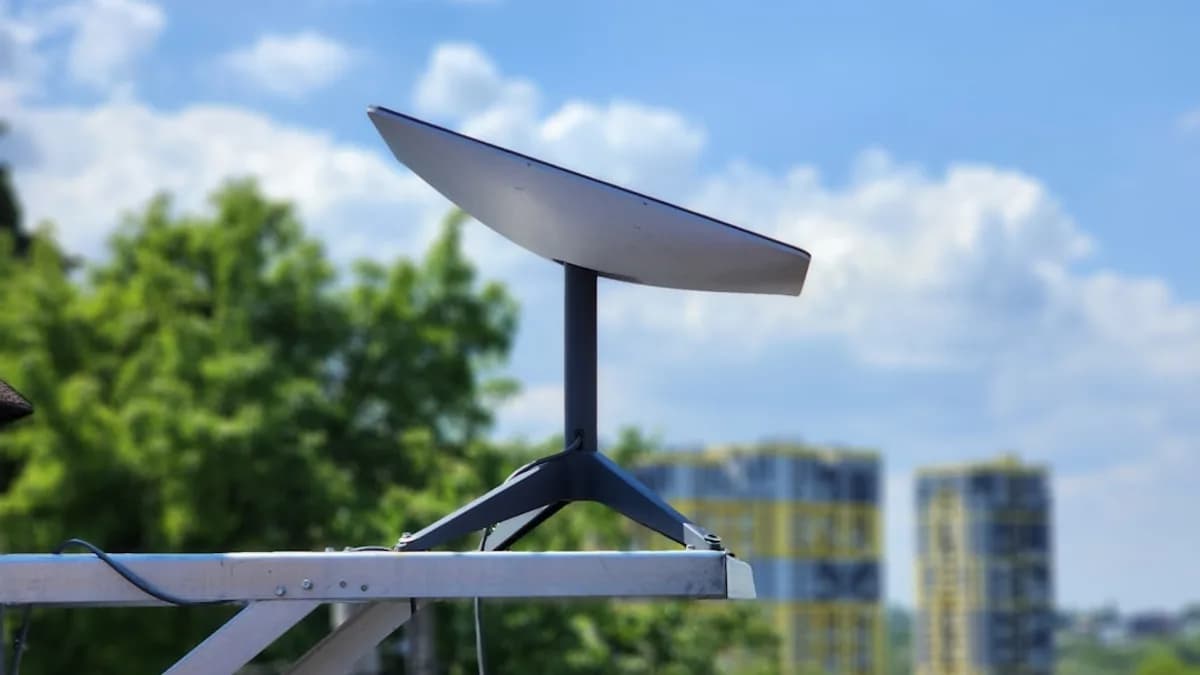
This is not just another Wi-Fi upgrade. Starlink’s inflight product claims up to 350 Mbps per aircraft and latency under 100 ms—figures that crush existing Ku and Ka-band satellite solutions, which typically offer 70–120 Mbps aggregate and latency over 600 ms according to PaxEx.Aero. Singapore Airlines’ selection of Starlink over incumbents like Panasonic Avionics and Gogo signals a bet on user experience as a differentiator, especially as business class passengers’ expectations recalibrate post-pandemic.
The network architecture matters. Starlink’s LEO constellation (over 6,000 satellites as of June 2024) enables global coverage and dynamic beamforming, reducing dead zones over oceans and polar routes—a chronic pain point for long-haul Asian carriers. In technical pilots with JSX and Hawaiian Airlines, Starlink’s streaming performance supported concurrent 4K Netflix sessions for over 100 passengers, a feat legacy providers struggle to match without traffic-shaping according to The Business Times.
NUS’s Bacterial Training: Synthetic Biology Reaches Industrial Scale
Meanwhile, the National University of Singapore’s new method for “training” bacteria accelerates directed evolution cycles by 70%, enabling labs to rapidly develop strains that digest plastics, sequester carbon, or produce specialty chemicals. Where previous approaches required months of selective culturing and error-prone gene editing, the NUS protocol automates selection across thousands of microfluidic reactors, achieving viable, task-specific phenotypes in days according to NUS.
This is not academic tinkering. Plastics-to-fuel startups, struggling with process bottlenecks, can now iterate on microbial agents at industrial scale—expanding TAM for bio-based recycling by an estimated $2.1 billion by 2026 (Bain, 2023). The breakthrough also undercuts the “trade-off” narrative: faster bacterial training doesn’t just mean more throughput; it unlocks new classes of end-products, from clean hydrogen to rare-earth element extraction, where traditional catalysts hit cost or efficiency walls.
Second-Order Effects: AI, Crypto, and Investment Flows
Both developments intersect with other surging tech trends. Starlink’s inflight Wi-Fi opens the door to real-time, high-fidelity applications—think AI-powered translation, AR/VR collaboration, and even live crypto trading at 36,000 feet. NUS’s synthetic biology protocol, meanwhile, is already drawing interest from crypto-mining operations seeking green, microbe-driven energy sources, and from AI researchers eager to automate strain selection with generative models.
Who’s Steering the Shift: Musk’s Starlink, Singapore Airlines, and NUS’s Bioengineers
Starlink’s Aviation Team and Singapore Airlines’ Strategic Bet
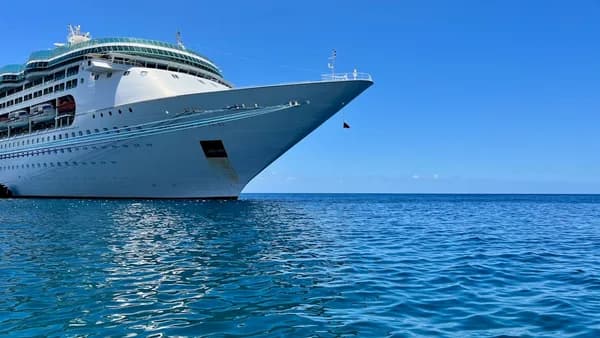
Elon Musk’s Starlink (SpaceX’s satellite arm) currently dominates LEO satellite launches, with over 60% market share in new spacecraft deployed in 2024. The aviation vertical is now a core focus, with Starlink Aviation targeting 5,000 aircraft installs by 2027—up from fewer than 100 in 2023. Singapore Airlines, Asia’s sixth-largest carrier by international RPKs, is the marquee customer for Starlink’s Asia-Pacific push. The deal covers all A350 and A380 aircraft, with an option for expansion to SIA’s low-cost Scoot subsidiary.
Singapore Airlines’ digital chief, George Wang, has publicly stated the airline’s intent to “set the global standard for inflight connectivity.” This is a direct shot at rivals like Emirates, Qatar Airways, and Cathay Pacific, which still rely on slower, more expensive satellite contracts. The selection process, running since Q3 2023, reportedly saw SIA reject offers from Inmarsat (now part of Viasat) and Panasonic, citing cost-per-megabit and latency as deal-breakers according to Mainly Miles.
NUS’s Synthetic Biology Lab: IP and Commercialization Pipeline
On the bioengineering side, the NUS team—led by Prof. Matthew Chang, a pioneer in programmable microbes—holds over a dozen patents in directed evolution and metabolic engineering. Their latest protocol is already in licensing talks with three major chemical conglomerates, including BASF and Sinopec (per industry reports). NUS’s commercialization arm, NUS Enterprise, is fast-tracking spinouts to capture value before the window closes to US and European competitors.
Early-stage VCs, including Temasek’s biotech fund and SOSV’s IndieBio, have signaled interest, with several Series A rounds expected to close by Q4 2024. The big prize: whoever controls the IP for rapid, programmable bacteria can set the pace for a $50 billion global biomanufacturing market over the next decade.
Talent and Partnership Dynamics
Both stories highlight a pivot in talent and partnerships. Starlink is hiring aggressively in Singapore, with 20+ open roles for aviation integration, while SIA’s in-house IT team is retraining around satellite network management—an unusual move for a traditional airline. NUS, meanwhile, has inked MoUs with US, EU, and Chinese biofoundries to pool data and standardize protocols, positioning Singapore as a neutral ground in the race for synthetic biology supremacy.
Market Repricing: Satellite Internet and Synthetic Biology Are Now Core, Not Niche
Aviation Connectivity: From PR Feature to Core Asset
For airlines, inflight connectivity was once a marketing afterthought. No longer. SIA’s Starlink deal will force regional competitors to revisit multi-year satellite contracts—Viasat shares dropped 4% on the news, and Panasonic’s aviation division is already warning of “margin pressure” in Asia-Pacific. Morgan Stanley estimates that LEO-based inflight Wi-Fi has a TAM of $6.5 billion by 2028, up from $1.2 billion in 2023. Starlink’s pricing—rumored to be 30% lower per Mbps than incumbent providers—will compress margins but expand usage, potentially tripling average revenue per user (ARPU) for airlines that bundle premium connectivity with ticket sales.
There are ripple effects for aircraft manufacturers and lessors. Airbus and Boeing are rushing to certify aircraft for LEO terminal retrofits, with Airbus projecting 40% of new widebodies will ship with LEO-ready kits by 2026. Lessors now see Wi-Fi performance as a differentiator in lease rates, especially as business travel recovers.
Synthetic Biology: Capital Shifts, Policy, and Supply Chains
The NUS bacterial training breakthrough is catalyzing a second wave of synthetic biology funding. Global VC investment in synthetic bio hit $13.7 billion in 2023, but was plateauing—this news has already sparked a 9% uptick in deal pipeline activity for APAC, per PitchBook. Large corporates are pivoting from carbon credits and traditional recycling toward direct investment in programmable biology, especially as policy pressure mounts (the EU’s “Plastics Pact” and China’s 2025 circular economy mandate).
Supply chains will reshape around whoever can produce and iterate new bacterial strains fastest. The NUS process, if scaled, can cut R&D costs for plastics-recycling startups by 40% and shave 12–18 months off time-to-market for new bio-based products. This compresses the innovation cycle and shifts bargaining power from chemical majors to agile biofoundries and IP holders.
Interplay with Adjacent Sectors: AI, Crypto, and Energy
Both trends reinforce and are reinforced by AI and crypto capital flows. Starlink’s bandwidth and latency unlock new classes of real-time, compute-heavy applications in the air, from AI-driven translation to on-chain trading and secure video conferencing. The NUS protocol is already being paired with AI-guided design tools (e.g., protein folding models) to automate strain selection—a virtuous cycle driving value for both domains. Crypto miners and climate tech funds are watching closely; microbe-driven energy production could offer both ESG credibility and new yield opportunities.
The Next 12 Months: Competitive Realignment and Rapid Adoption
Satellite Internet: Acceleration, Not Plateau
By Q2 2025, at least three more Asian flag carriers—Cathay Pacific, Japan Airlines, and Korean Air—will announce Starlink or LEO-based Wi-Fi deals. SIA’s move will force a domino effect, as business travelers switch to airlines offering real broadband. Expect LEO satellite ARPU to double by mid-2025, as airlines shift from flat-rate to tiered, usage-based pricing, bundling connectivity with other digital services.
On the supply side, Starlink will push to reach 10,000 aircraft installs globally by end-2025, up from a projected 1,500 at the close of 2024. Viasat, Panasonic, and Inmarsat will be forced into price wars or M&A to avoid losing market share. Expect at least one major satellite connectivity provider to exit the aviation market or merge by Q3 2025.
Synthetic Biology: From Lab to Market
NUS’s bacterial training protocol will trigger a wave of licensing and startup formation. By mid-2025, expect at least five new APAC synthetic biology startups to close Series A rounds using NUS’s technology. Large chemical companies will announce joint ventures or acquisition attempts, seeking to control both the IP and manufacturing pipeline.
Bacterial “training” will move from plastics recycling to more lucrative verticals: rare earth recovery, specialty pharma, and hydrogen production. Policy tailwinds—especially EU and Chinese mandates—will make programmable bacteria a must-have for corporates with green targets. By Q2 2025, at least one Fortune 500 company will announce a major supply chain partnership or investment leveraging this tech.
Cross-Sector Impacts: Talent, Regulation, and Capital
Both stories will accelerate the migration of top technical talent to Singapore, as the nation positions itself as a global bioengineering and digital aviation hub. Regulatory bodies in the US, EU, and China will scramble to set standards for inflight satellite connectivity and synthetic biology IP, opening the door to a patchwork of certifications and cross-border licensing fights.
Capital will chase speed: funds with exposure to LEO satellite operators, biomanufacturing, and applied AI will outperform, while incumbents in legacy aviation connectivity and commodity chemical recycling will see margins and multiples compress.
Bottom line: Starlink’s aviation expansion and NUS’s bioengineering leap are not isolated wins—they are catalysts for a market realignment. By mid-2025, expect a measurable shift in both capital flows and industrial strategies, with Singapore at the center of both narratives.