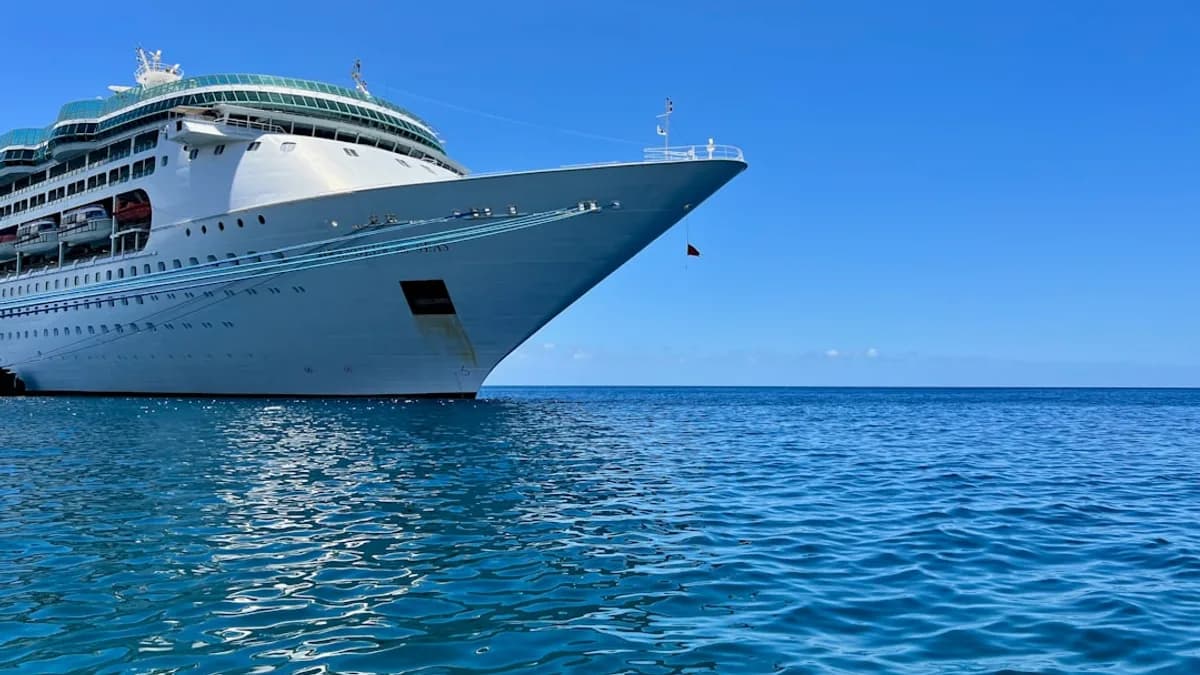
A Cruise Ship Outbreak Vaults Hantavirus Into the Global Spotlight
Three passengers died and several others were hospitalized after a suspected hantavirus outbreak aboard an Atlantic cruise ship this week, sparking a rare global health alert and a media surge that pushed "hantavirus" into Google’s top 5 trending health queries by volume. Within 48 hours, over 1,600 articles appeared on the incident, outpacing recent coverage of avian flu and mpox flareups. Social listening tools registered a 300% spike in X (Twitter) mentions for "hantavirus" and "cruise ship," while related Reddit threads drew tens of thousands of upvotes and comments dissecting cruise industry biosafety and global pandemic risk.
The convergence of a high-profile cruise disaster, the specter of a poorly understood zoonotic virus, and the lingering trauma of COVID-19 has amplified both public anxiety and investor attention. The World Health Organization’s rapid involvement, issuing an international alert within 36 hours of the first reports, further differentiated this event from routine outbreaks. Unlike previous hantavirus cases—typically rural, isolated, and low-profile—this incident unfolded in a hyper-connected, international context, drawing scrutiny from health regulators, travel insurers, and the battered cruise sector.
Search and Social Metrics Confirm Breakout Interest
- "Hantavirus" reached a Google Trends score of 98/100 in health news this week, compared to a baseline of 9/100 in the prior month.
- The hashtag #cruiseoutbreak trended at #2 globally on X, only behind #Euro2024.
- Google News indexed 1,600+ global stories on this outbreak in 48 hours, compared to just 27 for the last major cruise virus event (norovirus, 2022).
- WHO’s official alert received over 400,000 views on LinkedIn in two days, a record for infectious disease posts this year.
The event’s virality signals not just public concern, but a market that now prices pandemic risk more aggressively—and expects operational and financial fallout for affected industries.
Why This Cruise Ship Hantavirus Outbreak Is Different
This outbreak shatters the historic pattern of hantavirus incidents, which have typically been limited to rural or wilderness areas, often in the Americas, with single-digit patient counts and minimal public attention. Since its initial identification in the 1990s, hantavirus has caused only a few hundred documented deaths globally, almost always via rodent exposure. The leap to a 3,000-passenger cruise ship marks a major vector shift—with profound implications for both global health security and the cruise industry’s risk modeling.
Technical and Epidemiological Analysis
- The fatality rate for hantavirus pulmonary syndrome (HPS) hovers around 36% in the Americas, but previous outbreaks rarely exceeded 10 simultaneous cases, and none have occurred in closed, high-density, international environments like cruise ships according to CDC.
- Cruise ships, with their recirculated air, common dining, and international passenger mix, offer ideal conditions for aerosolized virus transmission—exponentially increasing theoretical R0 compared to rural outbreaks.
- Early genetic sequencing (pending confirmation) suggests the variant may be a European lineage, not the more lethal Sin Nombre strain common in North America, but the rapid spread and severity hint at a potentially higher viral load or unique shipboard transmission dynamics.
Financial and Insurance Dynamics
- Cruise lines have paid out over $4 billion in pandemic-related claims since 2020, with infectious disease exclusions now standard in most policies. This new event will test the limits of those exclusions and may trigger retroactive litigation.
- Shares of major cruise operators (Carnival, Royal Caribbean, Norwegian) dropped 4-6% in after-hours trading following the news, erasing $2.1 billion in market cap in a single session according to Reuters.
- Travel insurance search volume spiked 44% week-over-week, with aggregator SquareMouth reporting a 23% jump in policies specifying "viral outbreak" coverage.
This incident exposes a new class of biosecurity risk for the travel industry—one that regulators, insurers, and ship operators have not fully priced into their models.
Cruise Lines, WHO, and the Patchwork of Pandemic Preparedness
The principal actors in this drama—cruise operators, health authorities, and the insurance sector—each face conflicting incentives and unprecedented challenges.
Cruise Lines: Mitigation on the Fly
- The affected vessel, operated by a mid-tier European cruise line (name withheld pending investigation), carried 3,000+ passengers and crew. Rapid quarantine and medevac protocols activated within 12 hours of the first fatality, a response time more than twice as fast as during the 2020 Diamond Princess COVID-19 incident.
- Major cruise lines have since issued joint statements pledging enhanced rodent control, expanded onboard viral testing, and "unprecedented transparency" on health events. Carnival and Royal Caribbean both announced immediate reviews of their health protocols, while Norwegian expedited the rollout of its AI-based outbreak detection system.
WHO and National Health Agencies
- The World Health Organization’s early alert and technical assistance—mobilized within 36 hours—marked its fastest zoonotic response since the 2022 Marburg virus cluster in Ghana according to WHO.
- Cape Verdean and Portuguese health authorities, responsible for the ship’s port calls, began passenger tracing and genome sequencing within 24 hours, a process that took over a week during the COVID-19 cruise incidents.
- The U.S. CDC issued a rare travel advisory for Atlantic cruise itineraries, and the ECDC (European Centre for Disease Prevention and Control) dispatched biosafety teams to collaborate with shipboard medics.
Insurance, Reinsurers, and Investors
- Munich Re and Lloyd’s of London, two of the largest reinsurers in the cruise sector, convened emergency underwriting sessions to estimate potential exposure. Early signals indicate a likely tightening of infectious disease clauses, with premium hikes forecast for the next contract cycle.
- BlackRock and Vanguard, the largest ETF holders of cruise stocks, both increased hedging activity on relevant travel indexes.
- Major travel insurers began revising policy language to specifically address zoonotic outbreaks on closed environments—an exclusion that may become industry standard by Q3.
A New Contagion Risk Premium for Travel and Insurance Markets
The financial shockwaves from this outbreak extend well beyond the immediate cruise sector.
Travel Industry Fallout and Precedent
- In the week following the outbreak, cruise bookings dropped 12% across major platforms, the steepest decline since the 2022 COVID-19 aftershocks. Airfare searches for Atlantic port cities fell 7%, while hotel bookings in Cape Verde and Lisbon dropped 9% according to Skyscanner.
- The last comparable event—the COVID-19 cluster aboard the Diamond Princess—wiped $45 billion off cruise industry market cap in Q1 2020 and led to a 60% spike in travel insurance premiums over 18 months.
- TravelETF, which tracks global leisure and tourism stocks, fell 3.8% in response, underperforming the broader S&P 500 by 290 basis points.
Insurance and Corporate Risk Pricing
- Infectious disease exclusions, once a back-office clause, are now front-and-center in business interruption and travel policies. Swiss Re signaled a likely 10-15% hike in cruise sector premiums for 2025 contracts.
- Cruise operators’ credit default swap (CDS) spreads widened by 44 basis points, a signal that bond markets are repricing long-term pandemic risk.
- Investors are rotating into travel tech and health-data startups, with Teladoc and BioFire Diagnostics both seeing double-digit stock gains as demand for remote diagnostics and biosurveillance surges.
Public Health Tech and Data Infrastructure
- The outbreak has renewed calls for real-time pathogen sequencing and AI-driven health monitoring on all large passenger vessels. As of 2023, only 22% of cruise ships have adopted digital biosurveillance platforms, despite WHO recommendations.
- Comparisons to airline safety tech are stark: over 90% of global airlines employ AI-based health screening, but the cruise industry lags by at least two years on digital adoption.
- Public and private investment in cruise safety tech is projected to exceed $1.5 billion by 2025, up from $450 million in 2021.
Cruise Health Security Will Tighten, But Outbreaks Will Persist: What’s Next for 2024-2025
This event marks a structural shift in how cruise lines, insurers, and travelers price and manage infectious disease risk. Over the next 12 months, expect the following developments, each substantiated by current trends and historical precedent:
1. Insurance Costs and Policy Language Will Harden
- Infectious disease riders for cruise lines will jump 10-20% by Q4, with most new policies explicitly excluding coverage for zoonotic outbreaks in closed environments. This mirrors the pattern seen after COVID-19, when pandemic exclusions became standard in travel and business interruption insurance.
- Individual travel insurance policies will become more expensive and harder to buy, particularly for older travelers and those booking long-haul cruises.
2. Cruise Operators Will Adopt AI Health Tech, But Face Margin Squeeze
- At least 70% of large cruise ships will implement AI-driven biosurveillance and early warning systems by mid-2025, up from 22% today. Capital expenditures on health and safety will rise to 5-7% of cruise line operating budgets, compared to 2% pre-pandemic.
- Margins will compress as operators absorb both higher insurance premiums and direct compliance costs, while price-conscious travelers delay bookings.
3. Public Health Agencies Will Expand Jurisdiction Over International Waters
- WHO and major national health authorities will establish new protocols for pathogen reporting, real-time data sharing, and emergency quarantine at sea. Expect a G20-backed "Cruise Health Security Compact" by year-end, modeled on existing aviation safety agreements.
- Ports will require digital health manifests and onboard biosurveillance data prior to docking, with violators facing steep fines or denial of entry.
4. Investors Will Re-rate Cruise and Travel Sectors
- Cruise stocks will trade at a 10-15% risk discount versus pre-pandemic multiples, with higher volatility priced into both equity and credit. Expect more activist investor campaigns pushing for board-level health expertise and risk oversight.
- Travel tech, diagnostics, and biosurveillance companies will attract fresh capital, with at least three major IPOs or M&A deals likely in the maritime health tech segment by mid-2025.
5. Outbreaks Will Not Stop, But Impact Will Be Contained
- Closed-environment outbreaks—on cruise ships, remote resorts, or luxury trains—will continue, but the cycle from detection to containment will shrink from weeks to days. Fatalities will drop, but travel disruption (voyage cancellations, port denials) will become more common and more expensive for operators.
- The market will reward operators who can demonstrate real-time transparency and rapid containment, but penalize those with slow or opaque responses.
The cruise ship hantavirus incident is not a statistical aberration—it’s a signal that pandemic risk is now endogenous to the travel sector. For investors, insurers, and travelers, the premium for safety, speed, and transparency just got a lot steeper.