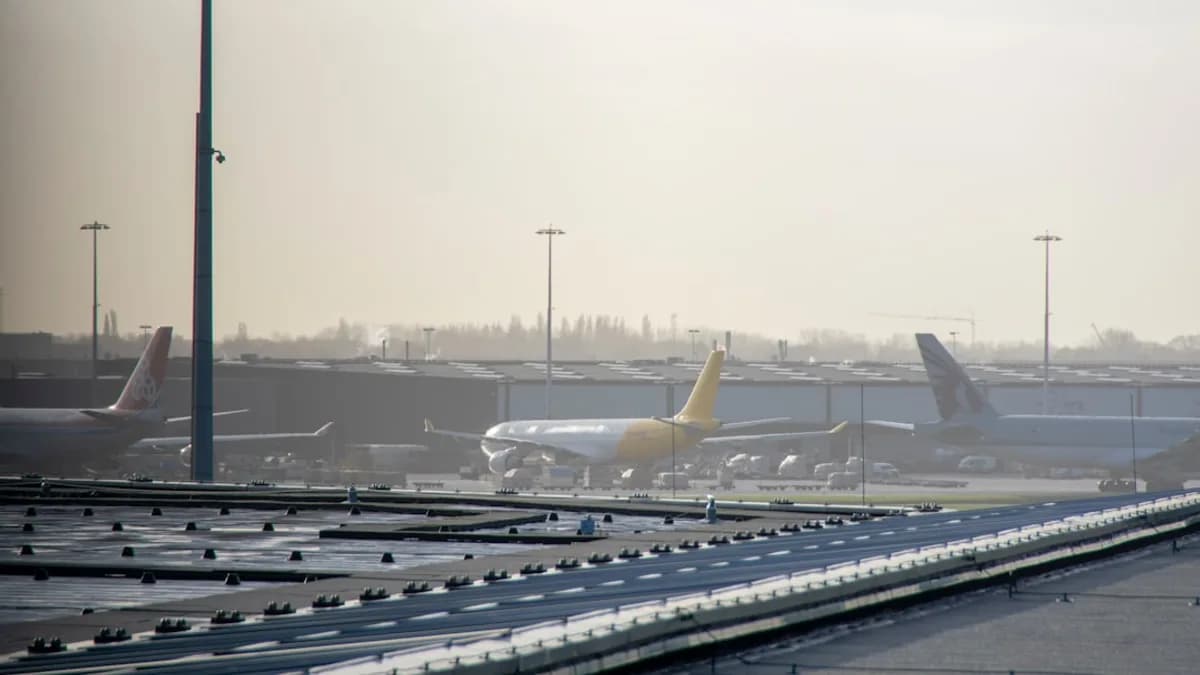
Airline Capacity Plunges as Jet Fuel Prices Break Records
Airlines have slashed more than two million seats from their summer schedules in response to jet fuel prices soaring to their highest levels in over a decade. This abrupt capacity cut signals a rare, demand-side disruption in a sector accustomed to pricing power post-pandemic. According to OAG, global scheduled airline seats for Q3 2024 dropped by over 4% week-over-week in May—the sharpest single-period reduction since the 2020 collapse. The catalyst: jet fuel prices have surged past $140/barrel, up 35% from the January average, after Iranian supply disruptions and ongoing Red Sea shipping instability rattled global energy flows according to The Guardian.
The spike isn’t just a headline number. Google search volume for “jet fuel prices” and “flight cancellations” doubled in the past 30 days, per Google Trends, and international travel forums are flooded with queries about summer trip risks. Airline stocks in Europe and the US shed $11 billion in market cap in the last two weeks of April as investors recalibrated for squeezed margins and weaker capacity according to Financial Times.
Airline Profit Models Collide With Energy Reality
The Fuel Cost Shock: Numbers and Consequences
Jet fuel is now tracking at a $35/barrel premium to Brent crude—up from a $12 premium last summer—a margin not seen since 2008’s energy crisis. For context, fuel makes up 30-35% of a full-service airline’s operating cost base. Each $10/barrel rise typically shaves 1-1.5% from operating margins. With spot prices up $40/barrel since January, aggregate industry profits face a $3.5 billion hit for Q3 alone, per IATA’s models.
Hedging strategies that protected major carriers like Ryanair and Delta in 2022 have expired or proven insufficient against this rally. American Airlines, for example, is now 80% unhedged for the summer, exposing it directly to price volatility. Budget carriers, who rarely hedge, are hit even harder—Wizz Air flagged a 20% cost-per-seat jump in its latest guidance.
Capacity Cuts and Route Recalibration
The seat cuts are not evenly distributed. European carriers have axed up to 10% of flights to Mediterranean leisure destinations—Greece, Spain, Turkey—where they face thin margins and weak pricing power. In contrast, lucrative transatlantic and business routes are largely intact, as airlines prioritize yield over volume. US domestic flights saw a 4% reduction, but Asia-Pacific carriers trimmed less than 2%, protected by local supply contracts and government subsidies.
Cargo belly capacity is also shrinking as airlines ground widebodies, tightening global supply chains. Freight rates have already jumped 12% month-over-month, threatening inflation on international goods.
Demand Resilience Meets Price Elasticity
Despite robust summer travel demand—forward bookings for July and August are up 18% year-on-year—fares have climbed 24% on average since March, outpacing wage growth in key markets. Early evidence suggests price sensitivity is returning: US Department of Transportation data shows a 7% drop in advance bookings week-over-week as consumers balk at last-minute fare hikes.
Airlines, Oil Majors, and Policy Makers: Who’s Pulling the Strings
Airlines’ Divergent Strategies
The “Big Three” US carriers—American, United, Delta—are taking divergent approaches. Delta is doubling down on premium business routes, aiming for yield over load factor. United is quietly renegotiating fuel contracts and trimming low-yield regional routes. American is betting on passing costs to consumers, risking market share but preserving cash.
In Europe, Ryanair and EasyJet are cutting seats and warning of “inevitable” fare spikes, while Lufthansa is lobbying Berlin for temporary tax relief. Asia’s Singapore Airlines and ANA are relatively insulated—long-term contracts and government support have capped their exposure.
Oil Producers and Energy Traders
OPEC’s refusal to raise production quotas, combined with Iranian supply uncertainty, have emboldened energy traders to bid up jet fuel crack spreads. Vitol and Trafigura, two of the world’s biggest fuel traders, have reportedly redirected shipments to Asia, where demand is less elastic, tightening European markets further.
Policy Response and Regulatory Risks
The European Commission faces calls to tap strategic reserves or suspend fuel taxes, but has so far resisted—fearing a repeat of 2022’s panic-buying and volatility. Instead, aviation ministers are pushing for accelerated adoption of Sustainable Aviation Fuel (SAF) blends, but current supply covers less than 2% of jet consumption—a rounding error in this crisis according to CNBC.
What Sky-High Fuel Means for Travel, Trade, and Inflation
Consumers Face a Double Whammy
Airfare inflation is set to outpace headline CPI through Q3. Average roundtrip fares from New York to London hit $1,330 in May, up 38% year-over-year. European leisure travelers face even steeper hikes—Rome to Palma, a typical summer route, is up 57%. Travel search engines report a 22% increase in “flexible date” queries as customers hunt for bargains.
The impact goes beyond discretionary travel. Business travel buyers are cutting trip budgets and shifting to virtual meetings, threatening airlines’ most profitable segment. Corporate bookings are down 9% month-over-month, per Amex GBT data, reversing last year’s post-pandemic rebound.
Supply Chains and Global Trade
Reduced belly cargo capacity is already straining supply chains for high-value goods—semiconductors, medical devices, and luxury goods. Airfreight from Shanghai to Frankfurt surged 27% in price since March, with delivery delays stretching to 5 days, up from 2.5 in February. This bottleneck risks a fresh round of goods inflation, especially for just-in-time supply models in tech and pharma.
Tourism and Local Economies
Tourism-dependent economies in southern Europe and Southeast Asia face a shortfall just as they were regaining pre-pandemic momentum. Greece anticipates 0.8% lower GDP growth if flight arrivals lag by 10%, based on Bank of Greece models. Hotel bookings in Spain’s Balearic Islands are down 11% versus early forecasts, with operators blaming air capacity cuts and “sticker shock” fares.
The Next 12 Months: New Winners, Persistent Pain
Short-Term: Volatility and Margin Compression
Jet fuel prices are unlikely to retreat before Q4 unless Middle East tensions ease or OPEC boosts output. Airlines will continue to prioritize profitability over market share, keeping fares high and capacity tight. Expect another 5-7% seat cut in Q3 if oil averages above $130/barrel.
European budget carriers face the biggest squeeze—Ryanair and Wizz Air could see EBIT margins halve versus 2023. US majors will hold up better but will miss analyst EPS estimates by 10-15% as hedges roll off and labor costs rise.
Medium-Term: Forced Innovation and Market Shifts
Persistent high fuel costs will accelerate shifts toward fleet renewal and SAF adoption. Boeing and Airbus will see a spike in new orders for fuel-efficient models, but supply chain bottlenecks mean deliveries won’t move the needle until late 2025. Airlines with younger fleets (Wizz Air, Alaska) will win share, while laggards with older jets will be forced into consolidation or retrenchment.
Digital travel platforms will capture more margin as consumers seek deals, pushing Google Travel and Skyscanner to record traffic. Expect at least one major European airline to seek state aid or restructuring by Q1 2025 if current trends persist.
Policy and Macro: Watch the Regulators
Political pressure for price controls or tax relief will intensify as summer discontent grows. Absent a fuel market reversal, the European Commission will be forced to intervene—most likely with targeted subsidies for critical regional routes and cargo, not broad tax holidays.
The upshot: This summer’s airline seat cuts and fare hikes mark not just a cyclical blip, but a structural reset. The market will reward efficiency and discipline, punishing overextension. By mid-2025, the industry’s cost base, pricing, and competitive map will look markedly different from the pre-2020 status quo.