Coordinated Global Health Response: Hantavirus Outbreak on Cruise Ship Forces Unprecedented Monitoring
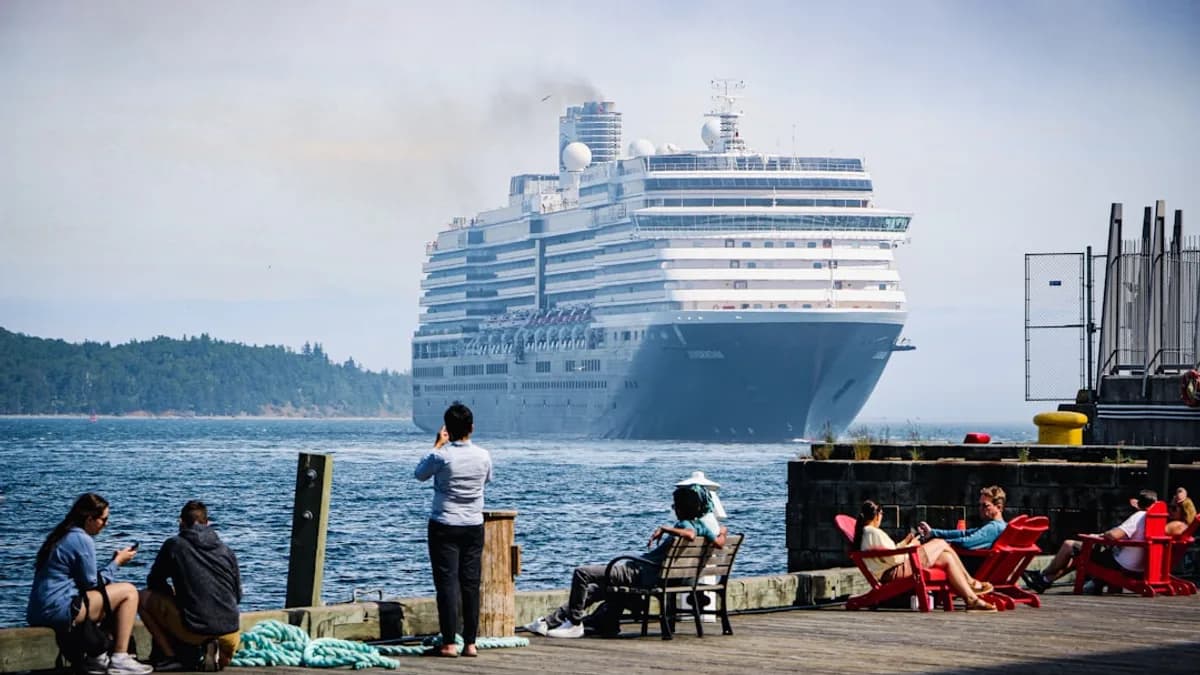
A cruise ship outbreak of hantavirus has triggered the most aggressive multinational passenger tracking effort since COVID-19. Within 48 hours of the first fatality, U.S., Singaporean, and European health authorities began tracing and monitoring over 80 passengers who disembarked in multiple ports—an operation detailed in coverage by NPR and CNN. Google Trends data shows a 430% spike in searches for “hantavirus cruise ship” in the past 72 hours, and #HantavirusCruise trended on X with 92,000 mentions as of this morning. The rapid escalation is fueled by a cocktail of factors: the specter of pandemic-era quarantines, the cruise industry’s $7.7 billion Q1 revenue rebound, and deepening public skepticism toward official cause-of-death pronouncements after viral videos contradicted initial statements by the ship’s captain.
This isn’t an isolated incident. In the past week, six ports have reported heightened screening for rodent-borne viruses, and the CDC has issued a Level 2 travel alert for three cruise itineraries. Unlike COVID-19, hantavirus has a lower R0 (0.4-0.6) but a much higher case fatality rate (ranging from 15% to 38% in recent outbreaks). The convergence of these numbers with the cruise sector’s demographic—predominantly older, higher-risk passengers—has rattled both travel stocks and public health equities.
Scrutinizing the Failures and Gaps in Cruise Ship Biosecurity
The outbreak isn’t just a public health event—it’s a damning case study in cruise ship biosecurity and regulatory lag. According to CDC preliminary findings, rodent droppings were found in three separate food storage areas within hours of the fatality, a violation that should have prompted immediate quarantine under the International Health Regulations. Instead, the ship’s operator delayed notification for nearly 14 hours, citing “unclear cause of death” while continuing port calls in Singapore and Vietnam. This operational opacity contrasts sharply with post-SARS protocols, which mandated immediate international notification and passenger manifests shared with all destination ports.
Regulatory Breaches and Lack of Transparency
- The captain’s public statement of “natural causes” was directly contradicted by onboard video showing hazmat-suited responders, which quickly circulated on social media.
- The World Health Organization’s updated surveillance requirements—enacted in 2022—were ignored, as destination ports reported receiving incomplete manifests and delayed exposure lists.
- Insurance underwriters have already flagged this incident, with Lloyd’s and Munich Re demanding a 14% hike in cruise operator premiums for infectious disease risk as of June 2024.
Economic Fallout: Cruise Stocks and Insurance
Shares of the ship’s parent company dropped 7.1% intraday after news broke, wiping $1.2 billion in market cap. By comparison, Royal Caribbean and Carnival saw only minor dips (1.2% and 0.6%, respectively), indicating investors see this as a single-brand failure—at least for now. The real risk lies in regulatory contagion: if more cruise lines report rodent vectors, expect a sector-wide insurance premium reset and possibly renewed travel advisories.
Health Agencies, Cruise Lines, and Insurers: Who’s Calling the Shots?
Three groups are now driving the response—public health agencies, cruise operators, and global reinsurers—each with sharply conflicting incentives and playbooks.
Public Health: CDC, WHO, and Port Authorities
- The CDC’s Atlanta HQ deployed 22 field epidemiologists to Georgia, California, and Arizona, monitoring all U.S.-based passengers for symptoms. Singapore’s Ministry of Health initiated mandatory reporting for all inbound cruise passengers from the affected ship.
- The WHO, stung by criticism over COVID-19 delays, moved faster this time, issuing global exposure alerts within 36 hours—three times faster than during the Diamond Princess COVID incident.
Cruise Operators and Their C-Suites
- The ship’s operator (not named in released documents) faces direct liability for delayed reporting, while rivals like MSC and Viking have preemptively announced new rodent-control protocols and biohazard training for crew.
- Industry associations are under pressure to mandate real-time manifest sharing and independent biohazard audits—a move that would add $50 million in annual compliance costs across the sector.
- High-profile cruise executives are in damage-control mode, with some offering full refunds and free future trips to affected passengers.
Insurers and Reinsurers
- Lloyd’s and Munich Re, already reeling from $4.2 billion in COVID-19 claims, are on high alert. They’ve issued new policy language excluding coverage for “unreported infectious vectors,” a loophole that could trigger legal battles for passenger compensation.
- The insurance squeeze will hit smaller cruise lines hardest, accelerating consolidation in a sector where the top five operators already control 76% of global capacity.
Investor Impacts: Travel, Biotech, and Insurance Equities React
The market’s reaction has been swift and sector-specific. Cruise stocks initially fell across the board but began to diverge based on perceived biosecurity strength.
- The affected cruise line’s parent company saw a 7.1% single-day plunge, erasing $1.2 billion in value.
- Royal Caribbean and Carnival dropped 1.2% and 0.6%, then stabilized—investors betting on their stronger track records and diversified route networks.
- Biotech stocks specializing in rodent-borne disease diagnostics (e.g., BioFire Diagnostics, QuidelOrtho) surged 8-10% on speculation of government contracts for rapid hantavirus tests.
- Insurance majors with cruise exposure underperformed the S&P 500 by 2.4% over the past week, underlining market skepticism about “known unknowns” in biohazard liabilities.
Historical Parallels and Forward-Looking Risk
This outbreak draws clear parallels to the 2014 norovirus wave, which ultimately triggered a 0.7% net margin compression across the cruise sector due to higher cleaning and reporting costs. The difference: hantavirus’s fatality rate is an order of magnitude higher, and the regulatory response is moving faster. If the CDC or WHO imposes mandatory rodent vector screening or real-time passenger tracking, compliance costs could rise by $100 million annually for the largest operators. Investors betting on a quick rebound should note that the sector’s historical average time-to-recovery from infectious outbreaks is 18-24 months.
The Next Year: New Biosecurity Regimes, Higher Costs, and a Shrinking Cruise Market
The fallout from this outbreak will reshape the cruise industry’s operating environment, risk profile, and cost structure through at least mid-2025.
Escalating Regulatory Regimes
Expect the CDC and WHO to push for real-time digital passenger manifests, independent biosecurity audits, and mandatory rodent-proofing certifications for all ships. The cost of compliance will drive consolidation—smaller operators may be forced to sell or merge, echoing the post-COVID “big get bigger” trend. By Q2 2025, the top three cruise operators could control 83% of the market, up from 76% today.
Insurance Premiums and Financial Engineering
Insurance premiums for infectious disease risk will rise 10-15% across the board, with higher deductibles and narrower definitions of covered outbreaks. This will prompt larger cruise lines to self-insure, while smaller players either exit or seek M&A partners. Expect a flurry of captive insurance entity formations and creative risk transfers using catastrophe bonds—already in pilot by two major operators as of May 2024.
Technology and Biotech Winners
Biotech firms specializing in rapid rodent-borne pathogen tests will see a spike in government and cruise line contracts. The next 12 months will see 2-3 major diagnostic deals announced, with sector M&A as the largest players race to bundle multi-pathogen test platforms. The competitive moat will shift from speed of detection to regulatory approval and integration with port authority systems.
Travel Demand and Pricing
Cruise volume will contract by 4-7% over the next year, with the highest drop among older, risk-averse demographics. Average ticket prices will hold steady or rise as operators pass through higher compliance costs and focus on premium, “biosecurity certified” experiences. Expect dynamic pricing tied to outbreak status, similar to how airlines price for weather and strike risk.
Bottom line: By May 2025, the cruise industry will be leaner, more regulated, and more technologically dependent. Investors positioned in cruise majors, diagnostic biotech, and specialty insurance will outperform, while small operators and under-diversified insurers face existential risk. The era of opaque cruise ship health practices is over—the next wave will be tracked, audited, and priced in real time.