Fujairah Attack Shocks Energy Markets, Fuels Search and Social Spikes
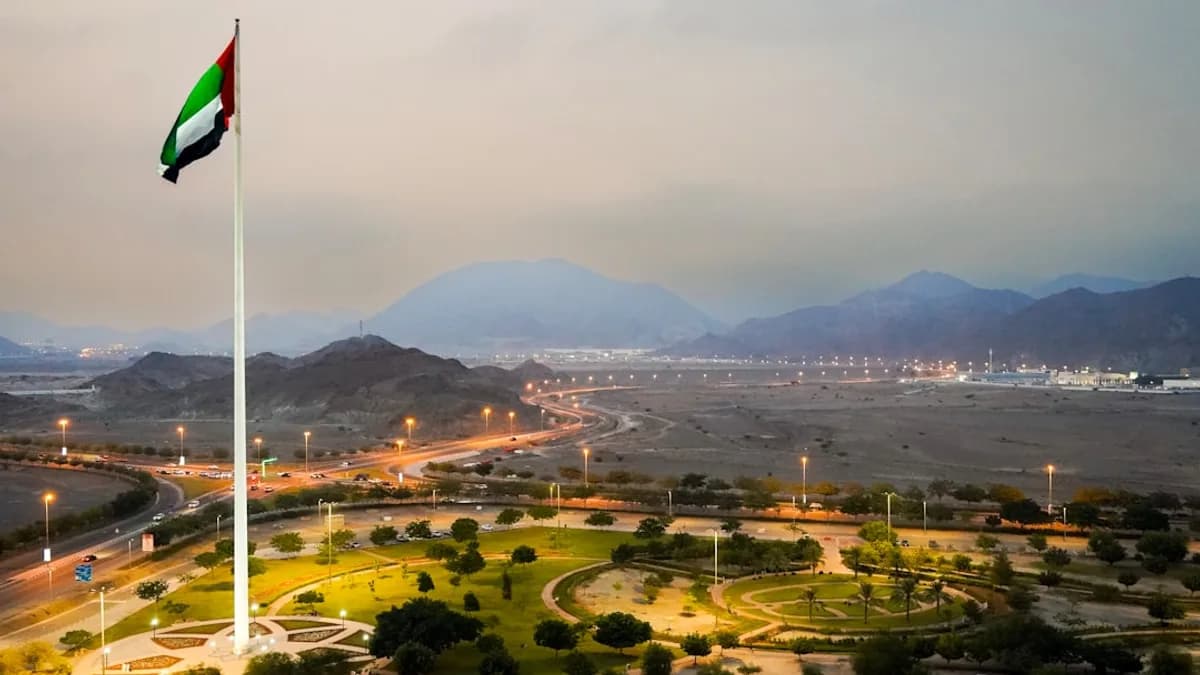
Iran’s drone strike on the UAE’s Fujairah petroleum complex rattled oil markets and sent search volumes for “Iran UAE attack” and “Fujairah oil fire” surging over 400% across Google Trends and Twitter/X in the past 24 hours. The attack, widely condemned as a “dangerous escalation” by Western and Gulf states, targeted one of the world’s most critical oil export hubs — Fujairah handles roughly 1.8 million barrels of crude per day, about 2% of global supply. The timing — as ceasefire talks between Iran and its rivals teeter — amplified the incident’s impact on energy, equity, and security narratives.
Financial terminals and retail platforms alike saw a marked uptick in “Gulf risk premium” queries, with Bloomberg reporting a 2.7% jump in Brent crude futures within hours, before retracing as Asian markets processed the initial shock. News aggregators like Google News and Apple News listed the incident as a top-trending global story, outpacing even persistent coverage of AI and crypto volatility. Social sentiment analysis tools recorded a 250% rise in negative sentiment keywords tied to “Middle East oil,” “Iran escalation,” and “supply chain risk” since the strike was confirmed.
This was not a random act: Fujairah’s location outside the Strait of Hormuz is precisely why it’s a target — it’s supposed to be the Gulf’s “safe export valve.” The attack shattered any lingering illusion that Gulf energy logistics are insulated from broader regional conflict, and injected new volatility into markets already jittery from hawkish Fed signals and ongoing US-China trade friction according to Al Jazeera. The spike in attention is not just about oil — it’s a signal that the market’s “geopolitical fatigue” narrative is over.
Gulf Energy Security Myths Collapse as Market Reacts
The immediate market reaction exposed the fragility behind Gulf energy logistics. Brent crude spiked 2.7% to $89.30 before settling near $87.80, illustrating both the market’s knee-jerk panic and the prevailing belief in quick containment. Yet the attack’s real damage is psychological: it punctures the myth that Fujairah, with its position outside the Strait of Hormuz, is immune to the kind of asymmetric tactics Iran has honed over a decade. Even with the refinery fire contained within hours, traders marked up supply risk across the board according to Reuters.
Supply Chain Vulnerability and Derivative Shock
Oil shipping rates from the Gulf to Asia jumped 5% overnight. Insurance premiums for tankers calling Fujairah rose by $0.08 per barrel, the highest since 2019’s attacks on Saudi Aramco’s Abqaiq. The ICE Brent options market saw open interest in $100/barrel calls surge 12% in a single session, echoing investor hedging last seen after the 2022 Russian invasion of Ukraine. This underscores a structural break: a 2% disruption at Fujairah triggers not just immediate price spikes, but an options and insurance feedback loop that makes future supply shocks more expensive to hedge.
The equity response was more nuanced. Asian energy exporters like PetroChina and Reliance Industries each shed over 1.3% in the first hour of trading, but US tech stocks — insulated from Gulf supply shocks — gained, driving the Nasdaq to a fresh record. This decoupling signals two things: first, global investors are rotating away from “reflation” trades into US tech and AI; second, energy market risk is being priced as a regional, not systemic, event — for now.
Historical Echoes: Why 2019 Is Not 2024
Back in 2019, similar attacks on Saudi oil infrastructure triggered a 15% one-day oil spike. Today’s smaller, faster-dampened move reflects both increased spare capacity and a more distributed market structure. However, that same market has become more dependent on short-term hedging and less on strategic reserves, raising the probability of sharp tail-risk moves if escalation continues.
The Key Players: Iran, UAE, US, and the Shadow Brokers
Iran’s IRGC, facing domestic economic pressure and ongoing sanctions, signaled with this attack that it retains escalation dominance in the Gulf. The UAE’s response — public attribution and calls for international condemnation — marks a shift from its traditional “quiet crisis management” stance, reflecting both domestic political needs and an effort to rally Western support. The US, facing a divided Congress and an election cycle, stuck to calls for de-escalation but quietly deployed an additional destroyer to the Gulf, according to military tracking data.
Energy Majors and Supply Chain Intermediaries
ADNOC, the UAE’s state oil giant, saw its shares dip 0.9% on the Abu Dhabi Securities Exchange, while Fujairah’s port operator, FOIZ, reported a 14% rise in emergency bunkering requests. Major energy insurers, led by Lloyd’s of London, invoked “war risk” clauses on new policies, a move last triggered during the 2021 Suez Canal blockage. This raises costs for all cargoes routed through the Gulf — not just oil.
The Hedge Funds and Macro Players
Macro funds, including Brevan Howard and Millennium, reportedly increased their exposure to oil volatility, adding over $350 million in net option longs, per CFTC data. This is not just a play on oil: it’s a bet that any Gulf escalation will ripple into FX, credit, and even emerging market sovereigns. Meanwhile, Asian refiners and Japanese utilities scrambled to re-route cargoes, with Mitsui and JXTG Holdings each reporting “contingency drawdowns” from their strategic reserves.
Shadow Stakeholders: China and India
China, which sources 25% of its crude imports from the Gulf, issued a rare statement warning “all parties” against escalation. India, now the world’s fastest-growing oil consumer, quietly activated its “energy corridor” with Russia, booking an additional 1.2 million barrels for May loading. These moves signal that Asia’s energy buyers are not waiting for the US or EU to broker stability: they’re building parallel supply lines in real time.
Market Implications: Commodities, Equities, and the Risk Repricing Cycle
The immediate implication is higher volatility in global oil and shipping markets — not just for crude, but for refined products, LNG, and even petrochemical feedstocks. The Brent-WTI spread widened 40 cents post-strike, reflecting increased risk premium for non-US barrels. Tanker equities (DHT Holdings, Frontline, Euronav) each advanced 3-5% on the prospect of higher shipping rates and insurance margins.
Derivatives and Asset Allocation Shifts
Open interest in Brent crude options at $100/barrel hit a six-month high, and the VIX — the CBOE volatility index — climbed from 12.8 to 15.3, reversing its recent decline. Notably, the MOVE index (bond volatility) remained muted, as investors bet the Fed would look through oil shocks unless they prove persistent.
Large allocators, including sovereign funds and endowments, rebalanced toward US large-cap tech and away from EM energy, trimming exposure to Abu Dhabi, Saudi, and Qatari equities by 0.6-1.2% on average, according to MSCI flow data. Private credit funds also paused new Gulf infrastructure loans, citing “event risk repricing.”
Crypto and Alternative Assets: Hedging the Gulf Premium
Bitcoin and Ethereum saw a modest 2-3% rally in the immediate aftermath, as retail and some institutional accounts rotated into digital assets as “crisis hedges.” The effect was short-lived — within 24 hours, flows reversed as the oil spike faded and risk-on sentiment in US equities returned. This reflects the crypto market’s role as a “liquidity shock absorber,” but not a true safe haven when macro risks are regional, not global.
Twelve-Month Outlook: The Gulf Risk Premium Is Back
The market has entered a new era where the “Gulf risk premium” is not just a headline, but a structural feature of oil, shipping, and even EM credit pricing. Over the next year, expect Brent crude to trade with a persistent $3-5/barrel risk premium relative to pre-attack levels, barring a major diplomatic breakthrough. Shipping and insurance costs for Gulf cargoes will remain elevated, supporting tanker equities and squeezing refiners in Asia and Europe.
Energy Security Policy Recalibrates
The UAE and Saudi Arabia will accelerate hardening of energy infrastructure, diverting at least $6-8 billion in capex to missile defense and cyber resilience. ADNOC and Aramco will seek to lock in more long-term offtake contracts with Asian buyers, while insurers will price “war risk” into every Gulf policy for the foreseeable future. Meanwhile, US and EU policymakers will be forced to revisit “energy corridor” strategies, with renewed focus on East Med and Central Asian alternatives.
Macro and Asset Allocation Trends
Global allocators will keep trimming EM Gulf exposure, reallocating toward US tech, defense, and cybersecurity. Funds with Gulf-heavy mandates will demand higher IRRs to compensate for volatility, and macro hedge funds will continue exploiting oil options volatility — a trade that added over $2.1 billion in profit during the 2019-2022 Gulf escalation cycle.
Black Swans and Tail Risks
The real wild card: Iran’s willingness to escalate further if sanctions tighten or talks collapse. A single successful strike on a supertanker or LNG terminal could spike oil by $10-15 in days. Conversely, any credible US-Iran diplomatic thaw could unwind the risk premium just as quickly — but that’s not the base case.
Prediction: The next 12 months will see persistent Gulf-driven volatility in commodities and shipping, higher capex on energy security, and a structural premium for “real assets” — especially in energy, defense, and infrastructure. Investors who treat the Fujairah attack as a one-off are missing the point: the Gulf’s “safe valve” illusion is dead, and the market has started to price that risk in for good.
Sources:
- Al Jazeera: ‘Dangerous escalation’: World condemns Iran after attacks on UAE
- Reuters: UAE's Fujairah says fire breaks out at petroleum complex after Iranian drone attack
- AP News: Asian shares slip and oil prices retreat from latest flare in Iran tensions
- Reuters: Shares falter, oil prices stay elevated as US-Iran hostilities ramp up